Tips and Techniques for Capturing Timeless Black and White Photos
-
 Loading...
 - Katherine Bridges
- 07 Aug 2024
- 46 Views
- 0 Like
- 0 Comment
Black and white photography is a timeless and emotive medium, capable of conveying depth, texture, and atmosphere in a way that color photography often can't. By stripping away the distractions of color, black and white images can focus the viewer's attention on the essence of the scene, revealing the underlying structure and emotion of the subject.
Understanding the Basics of Black and White Photography
Before we dive into the tips and techniques, it's essential to understand the basics of black and white photography. Here are a few key concepts to keep in mind:
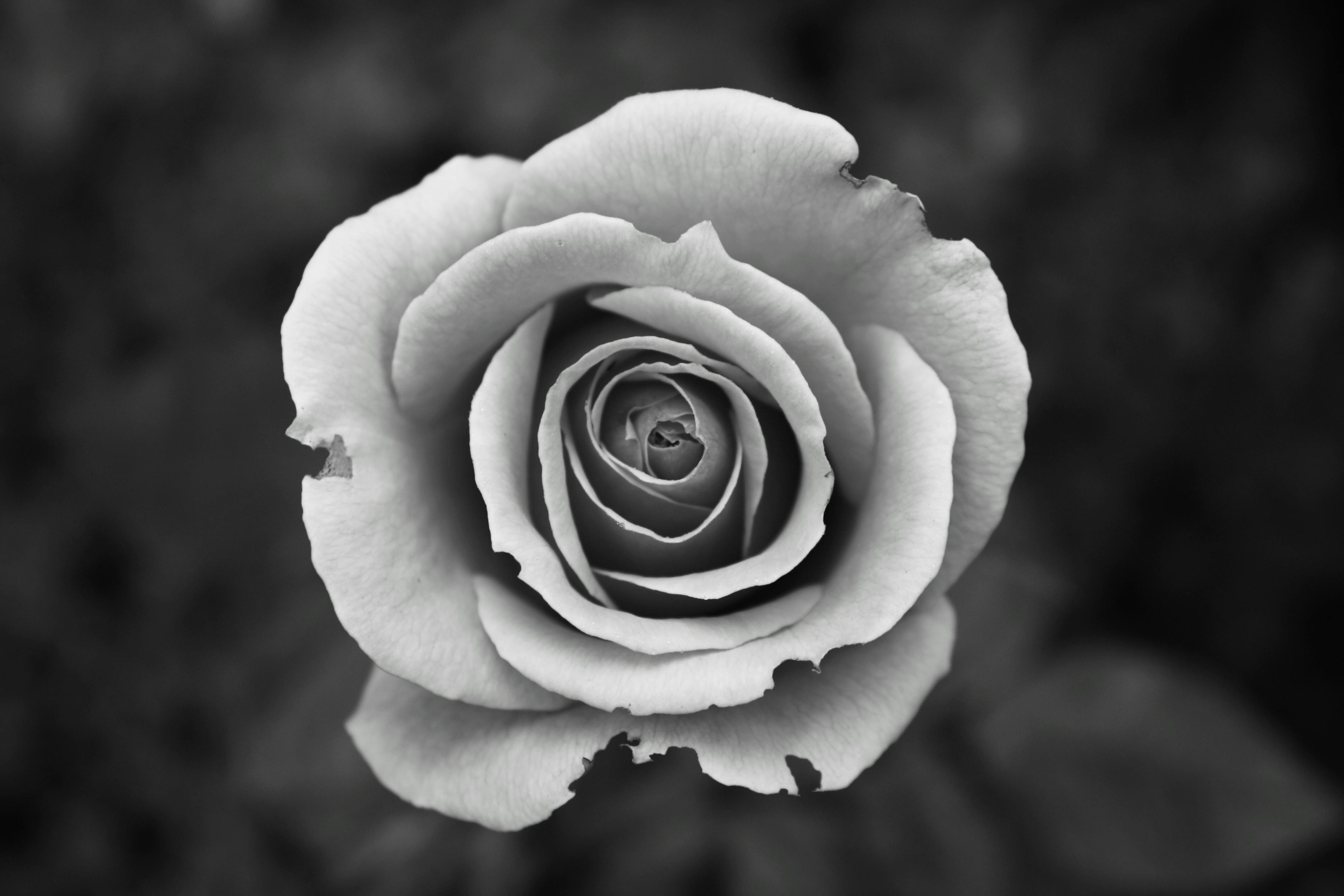
Tonal range: Black and white images rely on a range of tones, from pure black to pure white, to create depth and interest. A well-balanced image will have a mix of dark shadows, mid-tones, and bright highlights.
Contrast: Contrast is critical in black and white photography, as it helps to create visual interest and separate elements within the scene. Look for opportunities to use contrasting tones, textures, and shapes to add depth to your images.
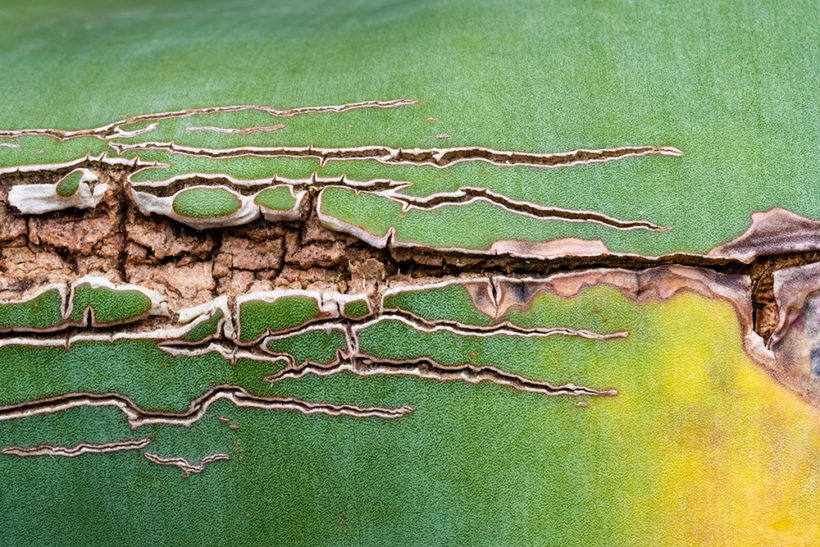
Texture and pattern: Black and white images can emphasize texture and pattern in a way that color images can't. Look for interesting textures and patterns to add depth and visual interest to your images.
.jpg)
Tips for Capturing Stunning Black and White Images
Now that we've covered the basics, here are some tips for capturing stunning black and white images:
Shoot in RAW: Shooting in RAW format gives you the flexibility to adjust the tonal range and contrast of your image in post-processing, which is essential for creating high-quality black and white images.
Use the right camera settings: Use a low ISO (100-400) and a wide aperture (f/2.8-f/5.6) to create a shallow depth of field and emphasize your subject.
Pay attention to lighting: Lighting is critical in black and white photography. Look for soft, diffused light or dramatic, high-contrast light to add depth and interest to your images.
Simplify the composition: Black and white images can be overwhelming if the composition is too complex. Simplify the scene by eliminating distractions and focusing on the essential elements.
Experiment with different angles: Don't be afraid to experiment with different angles and perspectives. Shooting from a low or high angle can add drama and interest to your images.
Post-Processing Techniques for Black and White Images
Post-processing is a critical step in creating high-quality black and white images. Here are some techniques to try:
Convert to black and white: Use software like Adobe Lightroom or Photoshop to convert your image to black and white. Experiment with different conversion methods, such as using a color filter or adjusting the tone curve.
Adjust the tonal range: Adjust the tonal range of your image to create a balanced mix of dark shadows, mid-tones, and bright highlights.
Add contrast: Add contrast to your image to create visual interest and separate elements within the scene.
Use local adjustments: Use local adjustments to fine-tune the exposure, contrast, and tone of specific areas within the image.
Conclusion
Black and white photography is a timeless and emotive medium that requires a deep understanding of tone, contrast, and texture. By following these tips and techniques, you can create stunning black and white images that capture the essence of your subject and evoke a sense of wonder and awe.