5 Reasons To Explore Outdoors In Serbia
-
 Loading...
 - Blake Barnes
- 23 Aug 2022
- 74 Views
- 0 Like
- 0 Comment
Serbia is home to stunning natural landscapes, rich culture, and tremendous history. You may already be familiar with some of Serbia’s more well known features such as the Nikola Tesla Museum, or that it’s the birthplace of a total of 18 Roman Emperors. Or perhaps you have tasted their famous fare, including their mouth-watering flatbread and sauerkraut. But did you know Serbia is a world-class destination for outdoor recreation? Find out why with these five reasons to explore Serbia.
1. DJERDAP NATIONAL PARK
Also called the Iron Gates, Djerdap National Park is the largest geological feature of its kind in Europe. Located in the Carpathian Mountains on the border of Serbia, this breathtaking gorge has a storied past. It’s here that Roman soldiers made a path through the terrain, providing great strategic and economic significance for the Roman Empire. Today, Djerdap National Park is a playground for visitors from around the world who come to recreate within the Iron Gates.
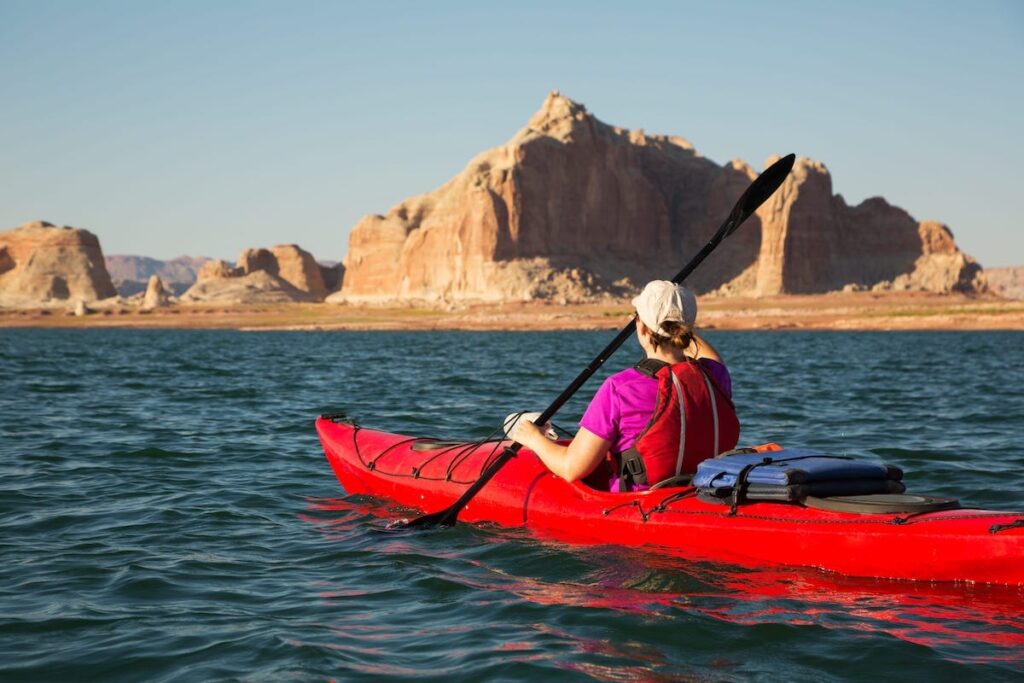
Hiking, biking, and kayaking are all five-star options within the 60-mile long gorge. Hikers and bikers will enjoy traveling past endemic fauna and flora that has not changed for millions of years. In fact, many of the plants found here (including the beautiful Djerdap tulip) survived the Ice Age! Keen kayakers may locate otters, or the intermittent jumping sturgeon.
After your active pursuits, be sure to take a historic tour of some of the park’s highlights, including the archaeological site of Lepenski Vir (dating back to 6700 BC). In addition, Golubac Fortress is an ideal place to learn about the more recent history of the region. Plus, it’s known as one of the most photogenic medieval buildings in Europe. Afterwards, don’t forget to stop by Kapetan Mišin Breg for a bite of local fare. Uninterrupted views of the Iron Gates below make for the perfect picnic.
2. TARA NATIONAL PARK
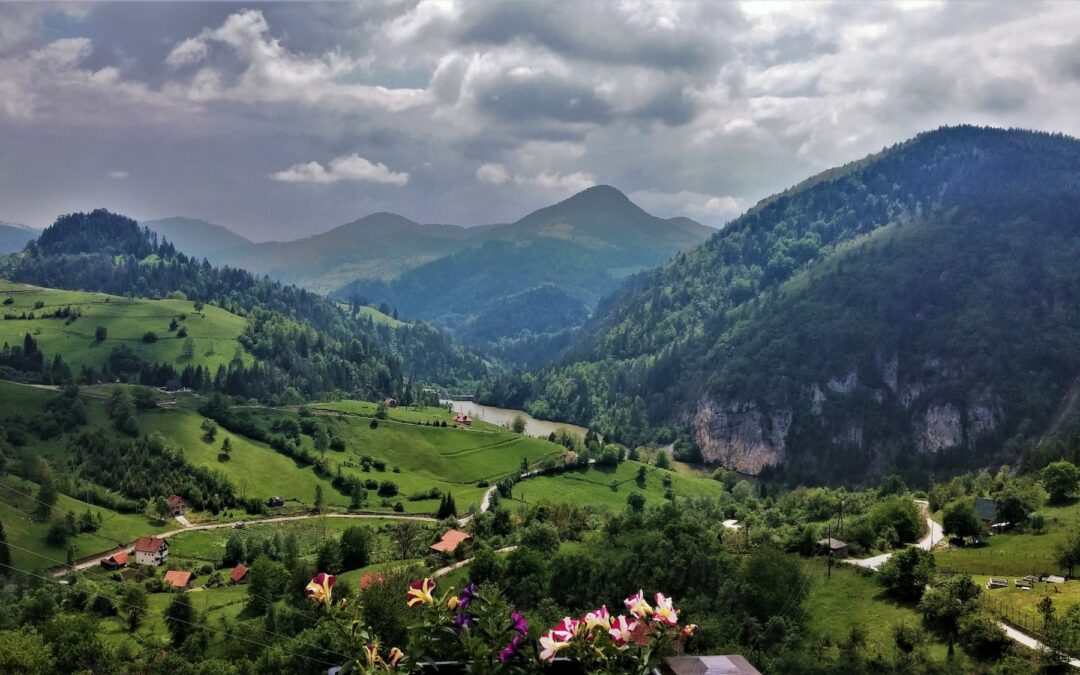
This stunning, forested national park lies within the Dinaric Alps. With two visitor centers (Kaluderske Bare and Mitrovac) and year-round access, it’s easy to see why Tara National Park is a favorite destination for both Serbs and international travelers.
Nearly 80 percent of Tara is covered in spruce, fir, and beech trees, creating a sensation of being in the Pacific Northwest zone of the United States. But one look at Drina Canyon tells you otherwise—you’re most certainly in a region unlike any other! The third deepest canyon in the world, this limestone monument is home to many rare species such as black hornbeam and black pine. Towards the edge of the canyon, the rock-covered surface makes way for rain and beech forests. Brown bears and chamois, a charismatic goat-antelope animal native to Europe, are often spotted in Tara National Park.
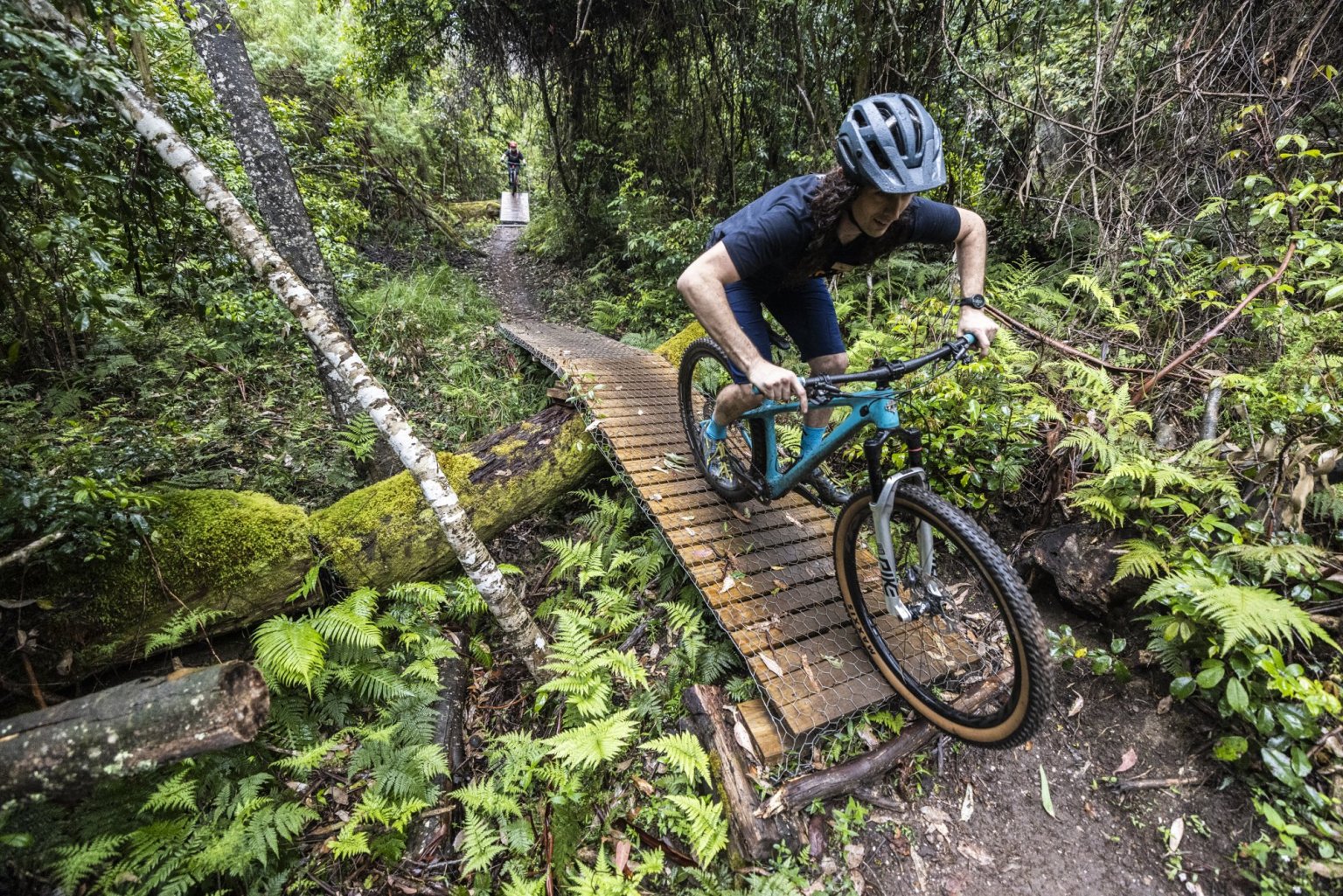
Spend your time hiking on any of the 180 miles of trails or biking on nearly 50 miles of pathways. For those who prefer to explore by water, an all-day cruise is a fantastic option for taking in the sights and wandering the city of Visegrad. Here, history enthusiasts will enjoy the Mehmet-pasha Sokolovic Bridge; a UNESCO World Heritage Site dating back to the fifteenth century. Those seeking a dose of adrenaline may enjoy a guided canyoneering experience deep within the crevasse of the canyon. It would certainly be difficult to see and do everything in Tara National Park in one visit, but we wouldn’t blame you for trying. Read More…