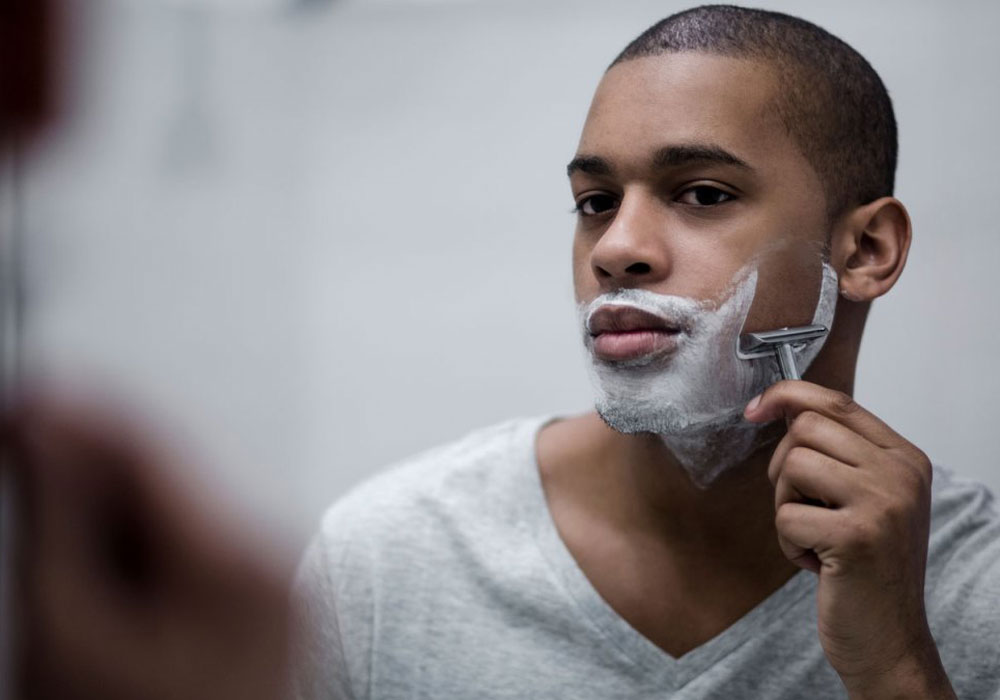
5 Shaving Mistakes That Leave Men with Razor Bumps
-
 Loading...
 - Claire Agaba
- 15 May 2023
- 66 Views
- 0 Like
- 0 Comment
Shaving is an essential part of a man's grooming routine, but it can often lead to pesky razor bumps. These bumps, also known as pseudofolliculitis barbae, occur when hair grows back into the skin instead of straight out of the follicle. They can be painful, itchy, and unsightly, causing discomfort and frustration for many men. Fortunately, by avoiding certain shaving mistakes, men can reduce the occurrence of razor bumps and achieve a smoother, irritation-free shave. In this article, we will explore the five common shaving mistakes that leave men with razor bumps and provide tips on how to avoid them.
1. Using Dull Blades: A Recipe for Disaster
Using a dull blade is one of the most common mistakes men make while shaving. When a blade is dull, it can tug at the hair instead of cutting it cleanly. This pulling action can lead to irritation and razor bumps. To avoid this issue, make sure to replace your razor blades regularly. A good rule of thumb is to change the blade after every five to seven shaves, or sooner if you notice any signs of dullness. By using sharp blades, you will achieve a closer shave and minimize the risk of razor bumps.
2. Skipping Pre-Shave Preparation: A Costly Shortcut
Preparation is key to a successful shave, and skipping this step can result in razor bumps. Many men overlook the importance of pre-shave preparation, but it can make a significant difference in the overall shaving experience. Start by washing your face with warm water to soften the hair and open up the pores. This will make it easier for the razor to glide smoothly across the skin. Applying a quality shaving cream or gel will provide lubrication and further protect the skin from irritation. Take your time to massage the product into your beard to ensure even coverage. By taking these simple steps, you can create a suitable environment for a close and comfortable shave.
3. Shaving Against the Grain: A Common Misstep
Shaving against the grain is a common mistake that can lead to razor bumps. While it may seem like going against the direction of hair growth will result in a closer shave, it actually increases the likelihood of irritation and ingrown hairs. To minimize the risk, always shave in the direction of hair growth. This will help prevent hairs from curling back into the skin and reduce the chances of razor bumps. If you're unsure about the direction of your hair growth, take a moment to examine the grain of your beard. You'll notice that hair can grow in different directions on various parts of your face, so adjust your shaving technique accordingly.
4. Applying Excessive Pressure: Slow and Steady Wins the Race
When it comes to shaving, applying excessive pressure is a mistake that many men unknowingly make. Pressing too hard against the skin can cause the razor to scrape and irritate the surface, leading to razor bumps. Instead, take a gentle and light-handed approach. Allow the weight of the razor to do the work for you. Glide the blade smoothly across your face without applying excessive force. This technique will help you achieve a close shave while minimizing the risk of irritation and razor bumps.
5. Neglecting Post-Shave Care: A Missed Opportunity
Post-shave care is often overlooked, but it plays a vital role in preventing razor bumps. After shaving, rinse your face with cold water to close the pores and soothe the skin. Pat your face dry with a clean towel, avoiding any harsh rubbing motions that can further irritate the skin. Applying a soothing aftershave or an alcohol-free moisturizer will help hydrate and calm the skin.
FAQs
Why do razor bumps occur?
Razor bumps occur when hair grows back into the skin instead of straight out of the follicle. This can happen due to improper shaving techniques or using dull blades.
Can razor bumps be prevented?
Yes, razor bumps can be prevented by avoiding common shaving mistakes such as using dull blades, skipping pre-shave preparation, shaving against the grain, applying excessive pressure, and neglecting post-shave care.
How often should I change my razor blades?
It is recommended to change your razor blades every five to seven shaves or sooner if you notice any signs of dullness. Using sharp blades will help minimize the risk of razor bumps.
Is it necessary to use shaving cream or gel?
Yes, using shaving cream or gel is essential as it provides lubrication and protects the skin from irritation. It helps the razor glide smoothly across the face, reducing the chances of razor bumps.
Should I shave in the direction of hair growth or against it?
It is recommended to shave in the direction of hair growth to minimize the risk of irritation and ingrown hairs. Shaving against the grain can increase the likelihood of razor bumps.
What should I do if I already have razor bumps?
If you already have razor bumps, avoid shaving over the affected area until it heals. Apply a warm compress to the bumps to help reduce inflammation. Using a mild exfoliant can also help prevent ingrown hairs and promote healing.
In conclusion, achieving a smooth and irritation-free shave is possible by avoiding common shaving mistakes. By using sharp blades, practicing proper pre-shave preparation, shaving in the direction of hair growth, applying gentle pressure, and following post-shave care, men can significantly reduce the occurrence of razor bumps. Remember to replace your blades regularly, invest in quality shaving products, and take the time to care for your skin before and after shaving. By implementing these tips and techniques, you can enjoy a comfortable and bump-free shaving experience.