Basic Steps to Care for Black Natural Hair
-
 Loading...
 - Ashanti Quaye
- 16 May 2023
- 69 Views
- 0 Like
- 0 Comment
Having black natural hair is a unique and beautiful characteristic, but it also requires specific care to keep it healthy and vibrant. In this comprehensive guide, we will explore the basic steps you need to take to care for your black natural hair. From cleansing to styling, we will cover all the essential aspects of maintaining moisture, preventing breakage, and promoting hair growth. Whether you're new to caring for black natural hair or seeking to improve your existing routine, this article will provide you with valuable insights and tips to achieve the hair of your dreams.
Caring for black natural hair involves a combination of proper cleansing, moisturizing, and protective styling. By following these basic steps, you can keep your hair strong, healthy, and full of life.
1. Understanding Your Hair Type

Before diving into a hair care routine, it's crucial to understand your hair type. Black natural hair comes in various textures, from tightly coiled to loosely curled. Knowing your hair type will help you choose the right products and techniques that work best for your specific needs.
2. Gentle Cleansing with Sulfate-Free Shampoos

Basic steps to care for black natural hair start with proper cleansing. Choose sulfate-free shampoos specifically formulated for natural hair. Sulfates can strip your hair of natural oils, leading to dryness and breakage. Gentle cleansers help maintain moisture while effectively removing dirt and product buildup.
3. Deep Conditioning for Hydration
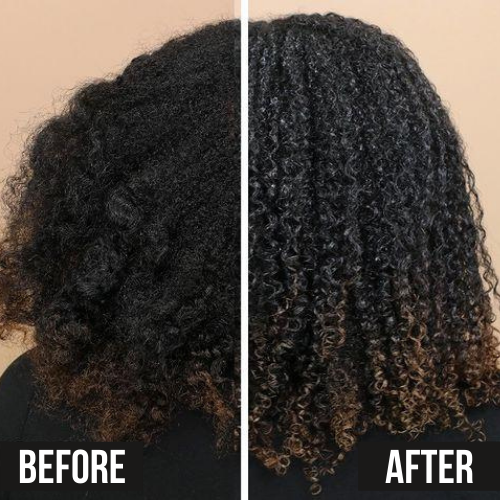
Hydration is key to maintaining healthy natural hair. Deep conditioning treatments provide intense moisture, improve elasticity, and strengthen your strands. Look for deep conditioners rich in natural oils like coconut oil, shea butter, and olive oil. Apply the conditioner after shampooing and leave it on for the recommended time before rinsing thoroughly.
4. Moisturizing Daily with Leave-In Conditioners

To keep your hair moisturized throughout the day, use a leave-in conditioner. This product helps retain moisture, prevents dryness, and reduces breakage. Apply a small amount to your damp hair, focusing on the ends and areas prone to dryness. Leave-in conditioners can also serve as a base for styling products.
5. Sealing in Moisture with Oils and Butters
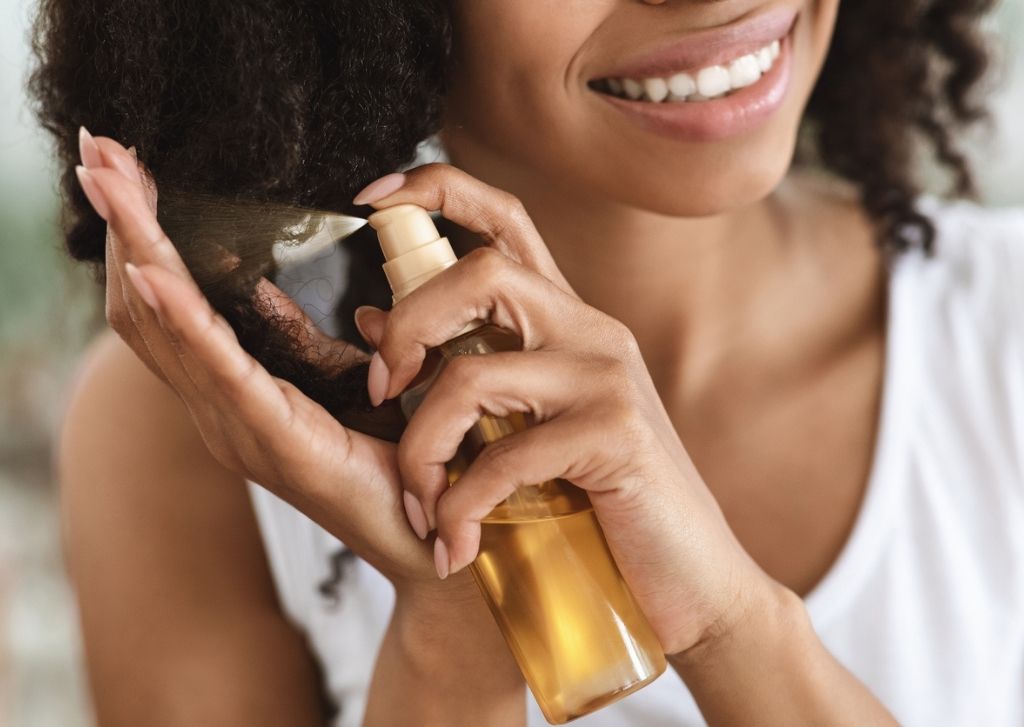
After moisturizing, seal in the moisture with natural oils or butters. These sealants create a barrier that locks in moisture, preventing it from evaporating. Opt for lightweight oils like jojoba oil or argan oil for daily use. For heavier sealing, shea butter or mango butter can be applied sparingly.
6. Protective Styling for Length Retention

Protective styling plays a crucial role in minimizing breakage and promoting hair growth. Styles such as braids, twists, buns, or updos protect your ends from friction and damage caused by manipulation. Ensure your styles are not too tight to avoid tension and traction alopecia.
7. Regular Trimming to Prevent Split Ends

Trimming your hair regularly is essential for maintaining healthy ends. Split ends can travel up the hair shaft, causing further damage and hindering length retention. Aim to trim your hair every 8-12 weeks or whenever you notice split ends. Consult a professional stylist if you're unsure about trimming techniques.
curling irons. If you do use heat, always apply a heat protectant spray and use the lowest heat setting possible. Embrace heat-free styles like twist-outs, braid-outs, or flexi rod sets to minimize heat damage.
9. Gentle Detangling with Wide-Toothed Comb or Fingers
Detangling your hair requires patience and gentleness. Start by sectioning your hair and use a wide-toothed comb or your fingers to remove knots and tangles. Begin from the ends and work your way up to the roots. Avoid aggressive brushing or using small-toothed combs that can cause breakage.
10. Protecting Hair at Night with Silk or Satin Bonnets or Pillowcases
While you sleep, your hair can experience friction against cotton pillowcases, leading to dryness and breakage. To protect your hair, use a silk or satin bonnet or sleep on a silk or satin pillowcase. These materials reduce friction, help retain moisture, and preserve your hairstyle.
11. Regular Scalp Massages for Blood Circulation
Scalp massages are not only relaxing but also beneficial for hair growth. Gently massage your scalp using your fingertips in circular motions. This stimulates blood circulation, promotes healthy hair follicles, and can even reduce scalp dryness or itchiness.
12. Avoiding Overwashing and Over-Manipulation
Overwashing and excessive manipulation can strip your hair of its natural oils and cause breakage. Aim to wash your hair no more than once or twice a week, depending on your hair's needs. Minimize touching, combing, or styling your hair excessively to prevent unnecessary damage.
13. Maintaining a Healthy Diet and Hydration
Proper hair care also involves nourishing your body from within. Ensure you have a well-balanced diet rich in vitamins, minerals, and proteins. Stay hydrated by drinking an adequate amount of water daily. A healthy body will contribute to healthy hair growth.
14. Protecting Hair from Sun and Environmental Damage
UV rays and environmental pollutants can damage your hair, causing dryness and weakening the strands. Protect your hair by wearing hats or scarves when exposed to direct sunlight for extended periods. Consider using products with UV protection to shield your hair from harmful rays.