5 Unique Bolivian Traditions You Should Experience
-
 Loading...
 - Zoey Thompson
- 05 Sep 2024
- 48 Views
- 0 Like
- 0 Comment
Bolivia, a country nestled in the heart of South America, is a treasure trove of rich cultural heritage. With a blend of indigenous, Spanish, and African influences, Bolivian traditions are a fascinating reflection of the country's diverse history. Here are 5 unique Bolivian traditions that showcase the country's vibrant cultural identity:
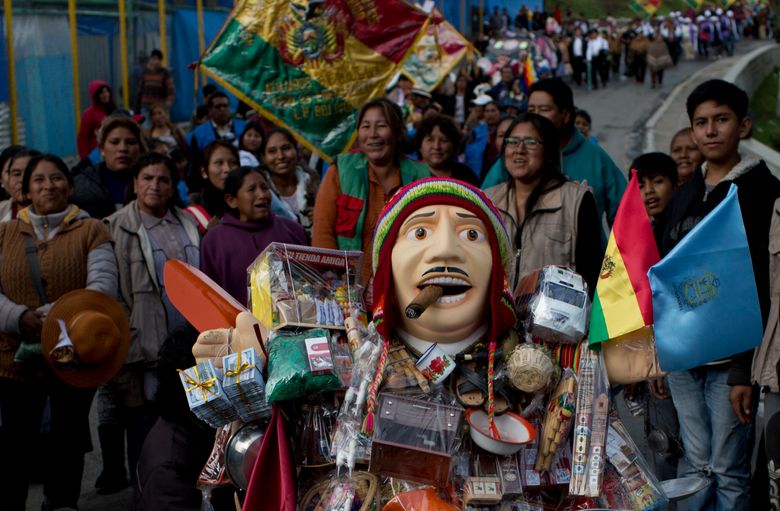
1. Alasita Fair: A Celebration of Miniatures
In La Paz, Bolivia's capital city, the Alasita Fair is a beloved tradition that takes place every January. This colorful fair is dedicated to the worship of Ekeko, the god of abundance and prosperity. The highlight of the fair is the sale of miniature items, including food, clothes, and even tiny houses, which are believed to bring good luck and prosperity to those who purchase them.
2. Ch'alla: A Ritual of Gratitude and Respect
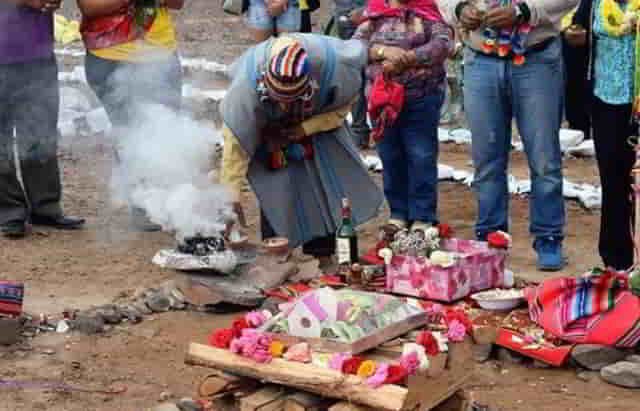
Ch'alla is an ancient Bolivian tradition that involves offering thanks and respect to Pachamama (Mother Earth) for her bounty. This ritual, practiced by indigenous communities, involves pouring a small amount of ch'alla (a type of corn beer) onto the ground as an offering to the earth. This tradition promotes a sense of gratitude and harmony with nature.
3. Diablada: A Dance of Devils and Angels
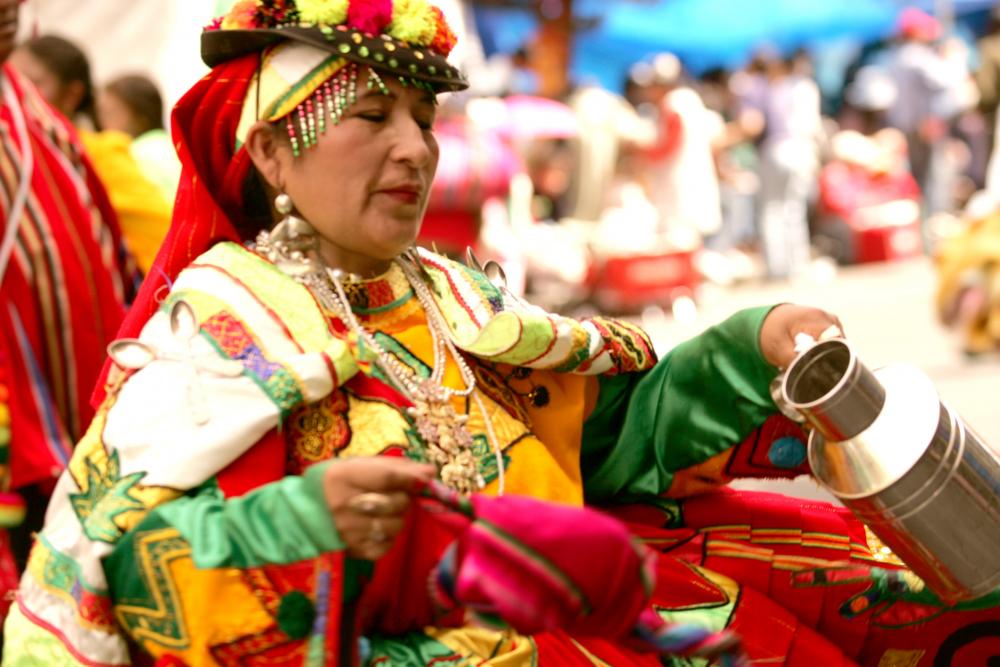
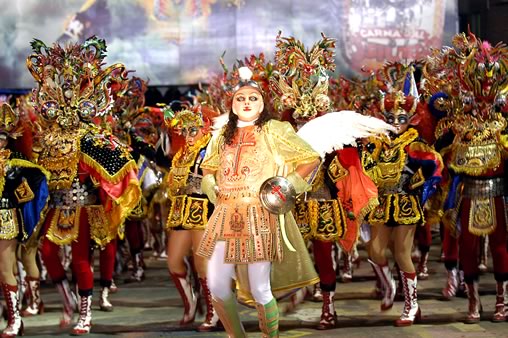
The Diablada is a traditional Bolivian dance that tells the story of the struggle between good and evil. Performed during Carnival celebrations, this vibrant dance features colorful costumes, intricate masks, and energetic choreography. The dance is a testament to Bolivia's rich cultural heritage and its ability to blend indigenous and European influences.
4. Fiesta de la Virgen de Copacabana: A Celebration of Faith
In Copacabana, a picturesque town on the shores of Lake Titicaca, the Fiesta de la Virgen de Copacabana is a significant cultural event. This festival honors the Virgin of Copacabana, the patron saint of Bolivia, and features traditional music, dance, and food. The highlight of the festival is the procession of the Virgin's statue, which is carried through the town's streets amidst great fanfare.

5. Yatiri: A Tradition of Spiritual Healing
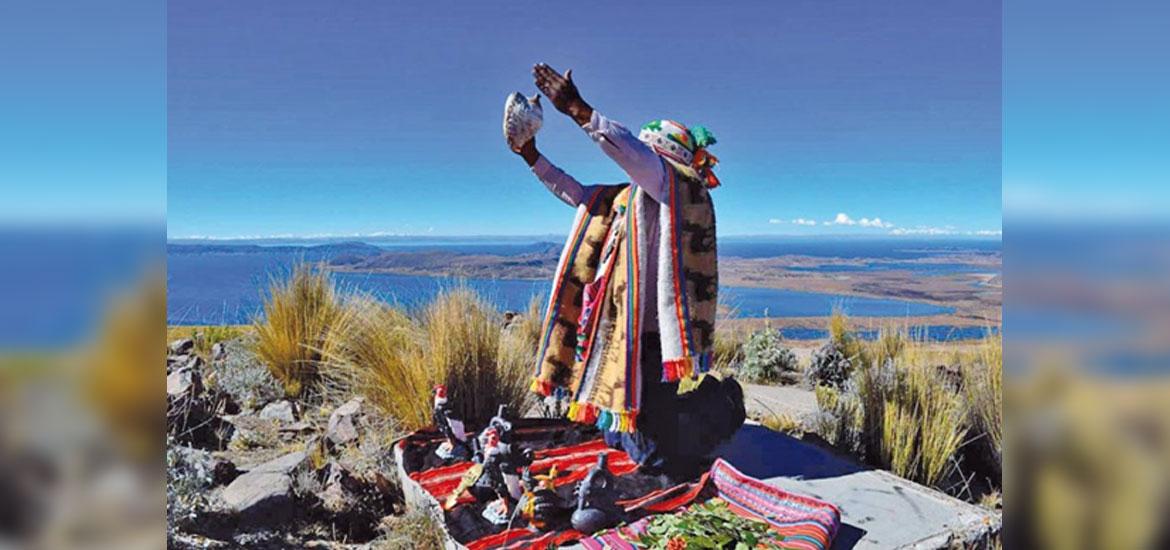
In Bolivia's rural communities, the Yatiri is a revered figure who serves as a spiritual healer and guide. This tradition dates back to pre-Columbian times and involves the Yatiri using their knowledge of herbs, rituals, and sacred plants to heal physical and spiritual ailments. The Yatiri plays a vital role in preserving Bolivia's indigenous cultural heritage and promoting a holistic approach to health and wellness.
These 5 unique Bolivian traditions offer a glimpse into the country's rich cultural tapestry, woven from the threads of indigenous, Spanish, and African influences. Each tradition is a testament to Bolivia's vibrant cultural identity and its ability to preserve its heritage in the face of modernization.