6 Biodiversity Loss Statistics That Will Blow Your Mind

The 2019 IPBES Global Assessment Report on Biodiversity and Ecosystem Services is the most comprehensive report ever completed and the first intergovernmental project of its kind. Compiled by 145 experts over three years, it assesses changes in biodiversity over the past five decades, providing important biodiversity loss statistics and a comprehensive picture of the relationship between economic development pathways and their impacts on nature.
6 Biodiversity Loss Statistics
1. Biodiversity is declining faster than at any time in human history. The average abundance of native species in most major land-based habitats has fallen by at least 20% since 1900.
2. At least 680 vertebrate species had been driven to extinction since the 16th century and more than 9% of all domesticated breeds of mammals used for food and agriculture had become extinct by 2016, with at least 1,000 more breeds still threatened.
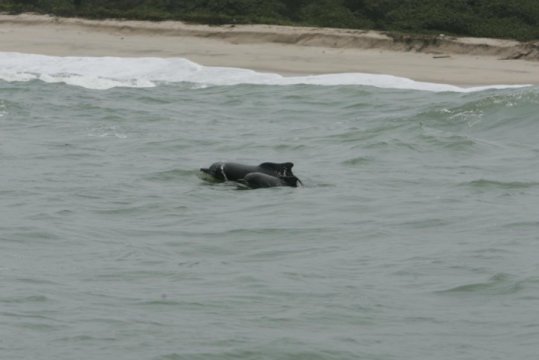
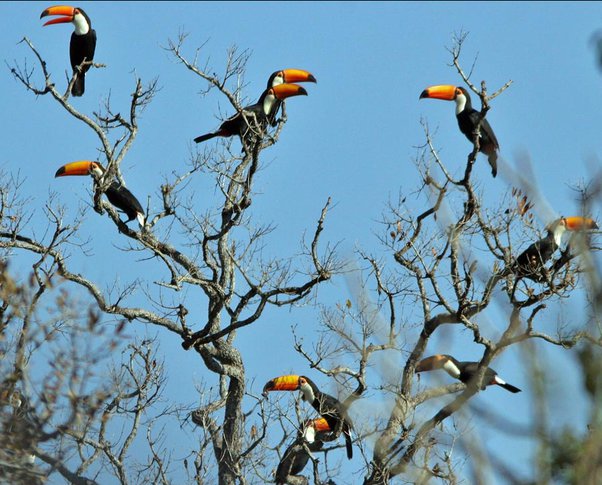
3. According to the International Union for Conservation of Nature (IUCN) Red List of Threatened Species, more than 41,000 animals worldwide are threatened with extinction, including 41% of all amphibians, almost 33% of reef-forming corals, 27% of the world’s mammals, more than a third of all marine mammals, and 13% of all known bird species.
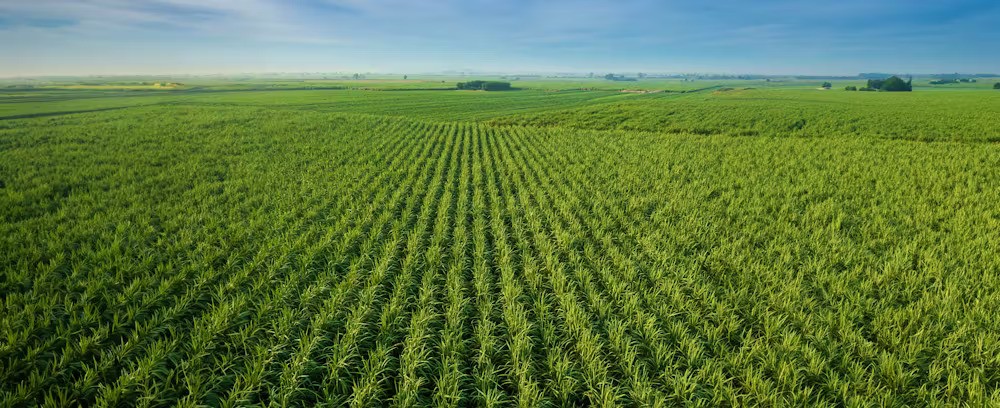
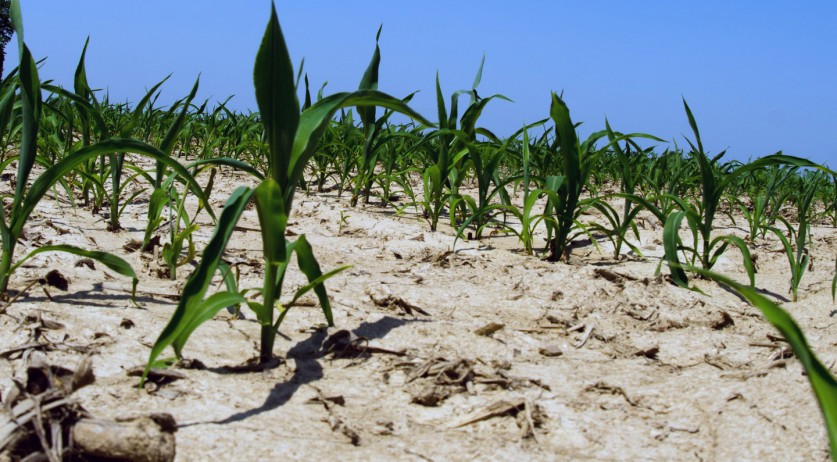
4. The report identifies several direct and indirect drivers of change in nature that have accelerated during the past 50 years. One of the main direct drivers is pollution. Marine pollution in particular has increased tenfold since 1980, affecting at least 267 species, including 86% of marine turtles, 44% of seabirds, and 43% of marine mammals. Other direct drivers include changes in land, direct exploitation of organisms, and climate change. Indirect drivers, instead, are underpinned by societal values and behaviours. These include production and consumption patterns, human population dynamics and trends, trade, technological innovations, and local through global governance. Read More...