11 Fascinating Facts about Orangutans
-
 Loading...
 - Boris Abomo
- 24 Aug 2022
- 63 Views
- 0 Like
- 0 Comment
Every year on August 19, the world celebrates International Orangutan Day. There’s no better time to celebrate all things related to the tree-dwelling animal. Here are some fascinating and a few heartbreaking facts about orangutans you might not know about.
1. There are Three Species of Orangutans
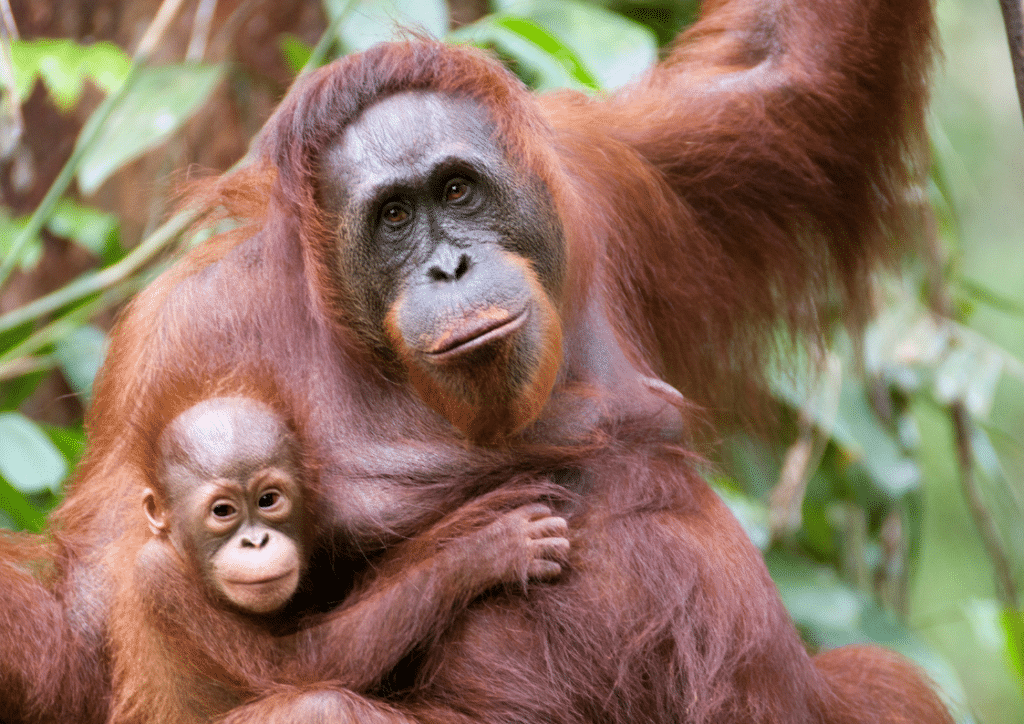
Bornean, Sumatran and Tapanuli are all species of orangutans. Easily identifiable by their reddish, ginger-tinted fur, the three orangutans species have many similarities including the presence of beards and moustaches in adult males – and for some adult females. However, Bornean orangutans tend to have darker and redder coats and rounder faces.
2. Orangutans Live Up to 60 years or More
Most orangutans in the wild live up to 30-40 years but some have been recorded to reach the age of 60 years or more. The animal also significantly differs in sizes between males and females. Male orangutans can often weigh more than 90 kg whereas females are a third or half their sizes.
3. Orangutans are the Largest Tree-Dwelling Mammals
Orangutans are large apes that share nearly 97% of the same DNA as humans, making them one of our closest relatives. The word “orang-hutan” literally translates into English as “person of the forest.” They also spend 80% of their time in the tree, from climbing, travelling and building sleeping nests in trees.
4. Orangutans Have Signature Long Arms
Orangutans have an average height of about 1.5m. One of the most interesting facts about orangutans is that they have disproportionately long arms that can span up to 2.2 m. Their arms tend to be one and a half times longer than their legs, and can be stretched to their ankles when standing. The orangutan uses its long arms to form a secure hook that allows them to travel from tree to tree. Despite spending most of their time in trees, orangutans are semi-terrestrial and walk on all fours when travelling on the ground.
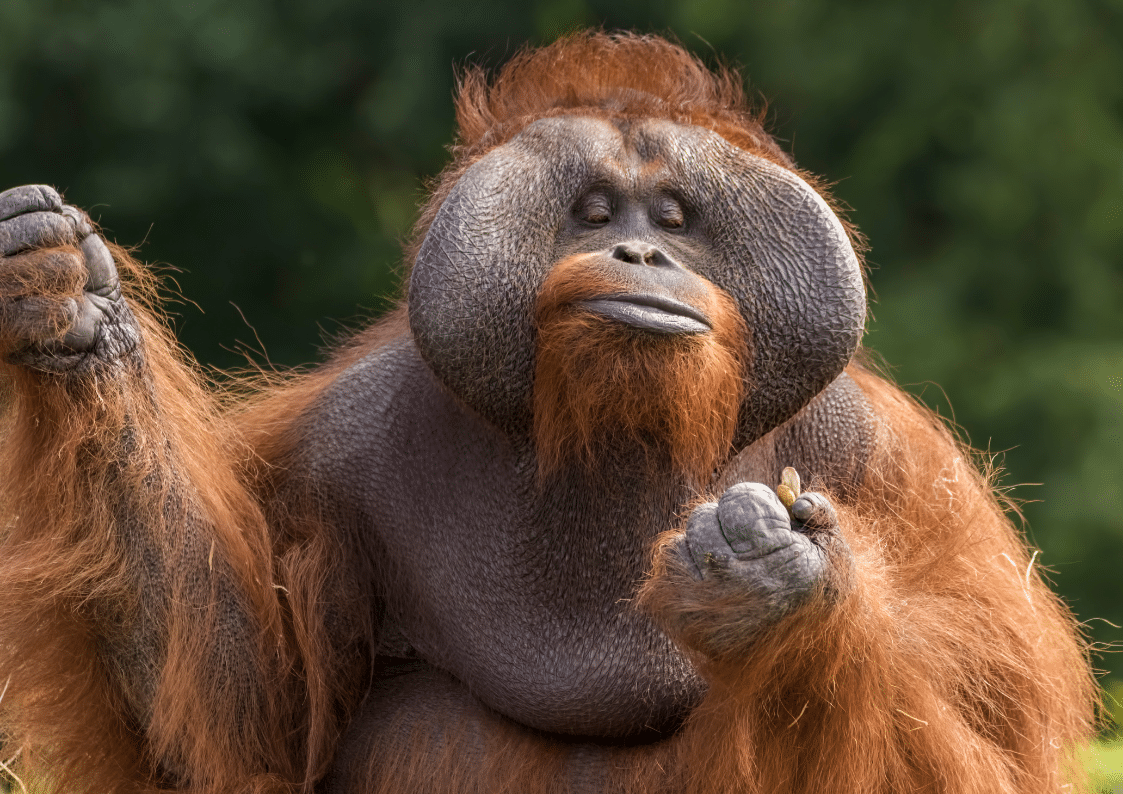
5. Some Male Orangutans Develop Large Cheek Pads on their Faces
Not all, but some male orangutans develop large cheek pads, also known as flanges, on the side of their faces. They’re essentially fatty tissues which are developed when the males are fully matured, at around 35 years old. Apparently, many female orangutans find these flanges to be attractive and take them into consideration when they’re choosing a mate. Males also have a throat sac, which they use to vocalise, locate and advertise their presence to females or warn other males away.
6. Orangutans are Astonishingly Intelligent Animals
Extensive research and laboratory tests in the last few decades have revealed that orangutans are a highly intelligent species for their ability to use a variety of sophisticated tools and build elaborate sleeping nests from branches and foliage. Orangutans have been named the world’s most intelligent animals in a study that places them even above chimpanzees and gorillas. Read More...