
6 Harmful Foods Consumed Daily That Causes Damage To The Body
-
 Loading...
 - Nkechi Okezie
- 30 May 2023
- 101 Views
- 0 Like
- 0 Comment
Discover the harmful foods people consume daily that are wreaking havoc on their bodies. This comprehensive guide highlights common culprits, provides practical information, and offers healthier alternatives for better well-being.
In today's fast-paced world, it's easy to fall into unhealthy eating habits. Many people unknowingly consume harmful foods that can cause damage to their bodies over time. From sugary snacks to processed meals, our diets often lack the essential nutrients our bodies need to thrive. This article explores the harmful foods people eat every day and sheds light on their detrimental effects. By understanding the impact of these foods, you can make informed choices to protect your long-term health.
The Impact of Harmful Foods
Our daily food choices play a significant role in our overall well-being. While occasional indulgences are acceptable, consistently consuming harmful foods can lead to various health issues. These foods often contain excessive amounts of sugar, unhealthy fats, additives, and artificial ingredients, contributing to obesity, diabetes, cardiovascular problems, and other chronic diseases. By recognizing and minimizing the consumption of harmful foods, you can take crucial steps towards improving your health and quality of life.
Let's delve into some common harmful foods people consume daily and explore why they are detrimental to their bodies.

1. Sugar-Laden Beverages
Sugar-laden beverages, such as soda, energy drinks, and fruit juices, are among the leading culprits for harmful food consumption. These drinks often contain excessive amounts of added sugars, leading to weight gain, tooth decay, and an increased risk of chronic diseases like diabetes and heart disease. It's crucial to opt for healthier alternatives like infused water, herbal teas, or homemade fruit smoothies to quench your thirst without harming your body.

2. Processed Meats
Processed meats like hot dogs, sausages, and deli meats are convenient and widely consumed, but they pose significant risks to your health. These meats are often high in sodium, unhealthy fats, and preservatives, which have been linked to an increased risk of heart disease, cancer, and high blood pressure. It's advisable to choose lean cuts of fresh, unprocessed meats or explore plant-based alternatives for a healthier protein source.

3. Deep-Fried Foods
Fried foods like french fries, fried chicken, and potato chips are undeniably delicious but incredibly harmful to your body. The deep-frying process leads to the formation of harmful compounds like acrylamide, which can contribute to oxidative stress and inflammation in the body. These foods are typically high in unhealthy fats and calories, promoting weight gain and increasing the risk of heart disease. Opt for baked or grilled alternatives to satisfy your cravings without compromising your health.

4. Artificial Sweeteners
While artificial sweeteners may seem like a healthier alternative to sugar, they can still negatively impact your body. These sweeteners, commonly found in diet sodas, sugar-free snacks, and low-calorie products, can disrupt the natural balance of gut bacteria, leading to digestive issues. Additionally, some studies suggest that artificial sweeteners may increase sugar cravings and contribute to weight gain. Choosing natural sweeteners like stevia or reducing overall sugar intake is a better option for maintaining a healthy diet.

5. Highly Processed Snacks
Highly processed snacks like chips, cookies, and candy bars may be convenient for a quick energy boost, but they offer little nutritional value and come with a host of negative consequences. These snacks are often high in refined carbohydrates, unhealthy fats, and artificial additives. Regular consumption can lead to weight gain, blood sugar spikes, and an increased risk of chronic diseases. Opt for healthier snack options like fresh fruits, nuts, or homemade granola bars to satisfy your cravings while nourishing your body.
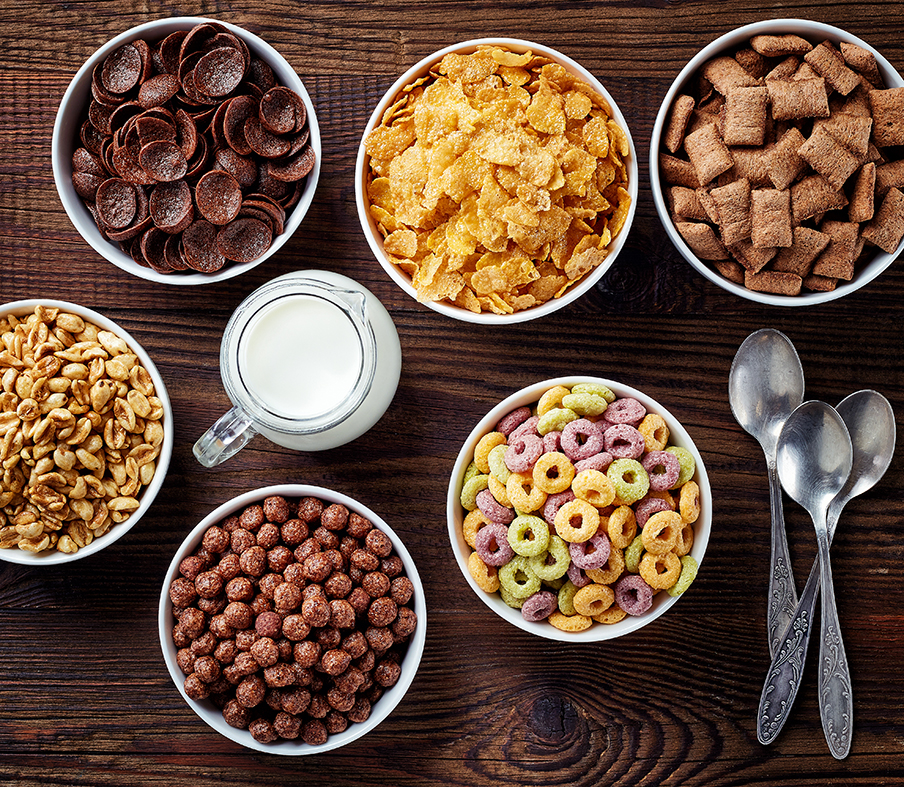
6. Sugary Breakfast Cereals
Many popular breakfast cereals marketed as healthy options are often loaded with added sugars, artificial flavors, and colors. Starting your day with a bowl of these cereals can lead to energy crashes, cravings, and nutrient deficiencies. Look for cereals with whole grains, low sugar content, and natural ingredients. Better yet, opt for a hearty, homemade breakfast with a balance of proteins, whole grains, and fruits to fuel your day without compromising your health.
Frequently Asked Questions
Q1: Are all processed foods harmful?
A1: While not all processed foods are harmful, many commercially processed foods contain high amounts of added sugars, unhealthy fats, and artificial additives. It's important to read food labels and choose minimally processed options whenever possible.
Q2: Can harmful foods be part of a balanced diet?
A2: Occasional indulgence in harmful foods is acceptable, but they should not be a regular part of a balanced diet. Moderation is key, and it's crucial to prioritize nutrient-rich whole foods for optimal health.
Q3: What are some healthier alternatives to harmful foods?
A3: Instead of sugar-laden beverages, opt for water, herbal teas, or homemade smoothies. Replace processed meats with lean cuts of fresh meats or explore plant-based protein sources. Choose baked or grilled alternatives to deep-fried foods. Instead of highly processed snacks, opt for fresh fruits, nuts, or homemade snacks. Look for low-sugar cereals with whole grains and natural ingredients.
Q4: Are there any harmful foods that are often perceived as healthy?
A4: Yes, some harmful foods are often perceived as healthy. Examples include certain breakfast cereals, granola bars, flavored yogurts, and low-fat products that may be high in added sugars or artificial ingredients. It's important to read labels and choose wisely.
Q5: Can harmful foods impact mental health?
A5: Research suggests that a diet high in harmful foods, such as processed snacks and sugary beverages, may increase the risk of mental health issues like depression and anxiety. A balanced diet rich in whole foods, on the other hand, supports optimal brain health.
Q6: Are there harmful foods that can contribute to skin problems?
A6: Yes, certain harmful foods, particularly those high in refined carbohydrates and unhealthy fats, can contribute to skin problems like acne. Reducing the consumption of processed snacks and sugary foods may improve skin health.
In conclusion, while it's tempting to indulge in harmful foods, they can have serious consequences on your health in the long run. By recognizing these common culprits and making healthier choices, you can protect your body from the damaging effects of excessive sugar, unhealthy fats, additives, and artificial ingredients. Prioritizing whole foods, reducing processed options, and opting for homemade alternatives will nourish your body, improve your well-being, and set you on the path to a healthier future.