6 Tips for Better Water Reflection Photography
-
 Loading...
 - Antar Bennani
- 22 Oct 2024
- 41 Views
- 0 Like
- 0 Comment
Capturing stunning water reflections can elevate your photography and create mesmerizing images. Whether you’re shooting a serene lake, a bustling cityscape reflected in a river, or a tranquil pond, here are six tips to help you improve your water reflection photography:
1. Choose the Right Time of Day
The quality of light can significantly impact your water reflection photos. Early morning and late afternoon, often referred to as the "golden hours," provide soft, warm light that enhances colors and reduces harsh shadows. Additionally, during these times, the water is often calmer, resulting in clearer reflections. Avoid shooting during midday when the light is harsh and can create glare on the water's surface.
2. Look for Calm Water
For the best reflections, seek out calm water conditions. Windy days can create ripples and distortions that disrupt reflections. If you’re shooting in a location with moving water, try to time your shots when the water is still, or use a slower shutter speed to capture the movement in a way that still allows for some reflection.
3. Use a Polarizing Filter
A polarizing filter can be a valuable tool for water reflection photography. It helps reduce glare and reflections on the water's surface, allowing you to see beneath the surface and enhancing the colors of the sky and surrounding landscape. This filter can also increase contrast and saturation, making your images more vibrant.
4. Experiment with Composition
Composition is key to creating compelling water reflection photos. Use the rule of thirds to position your horizon line and subjects effectively. Consider including leading lines, such as a shoreline or a path, to draw the viewer’s eye into the scene. Reflections can also create symmetry, so look for opportunities to frame your shot to highlight this effect.
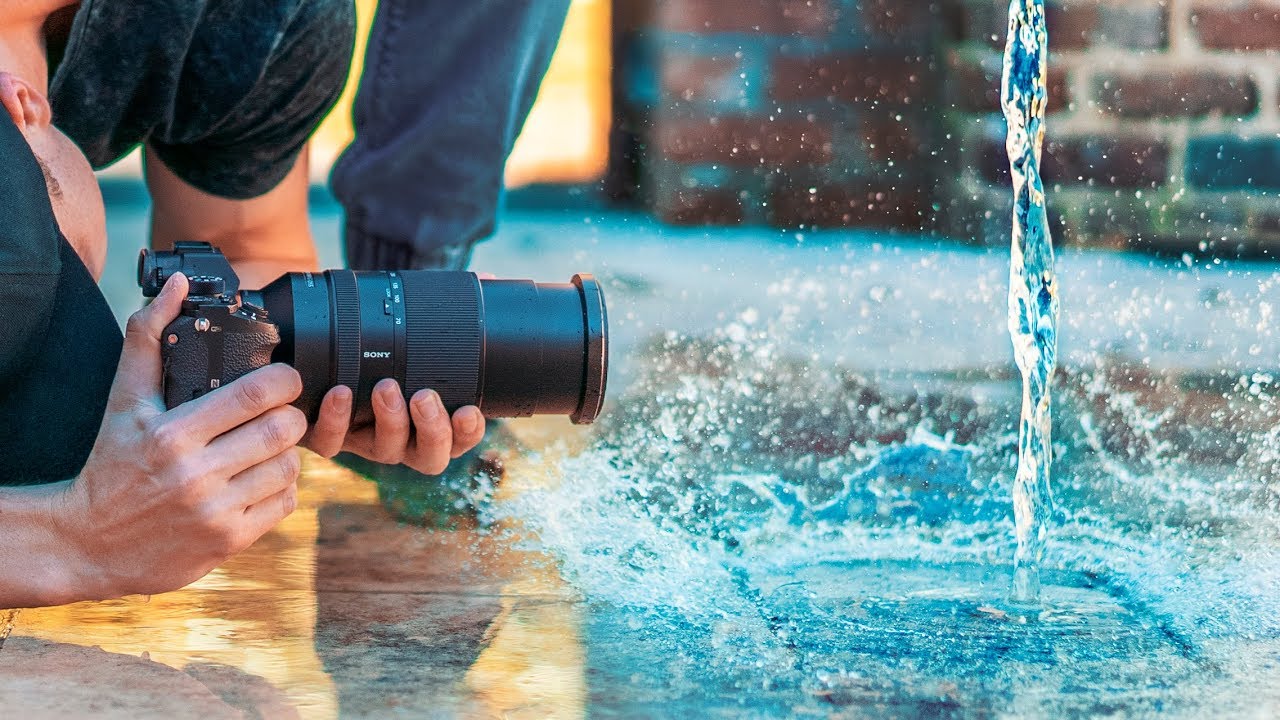
5. Get Low to the Water
Changing your perspective can dramatically improve your water reflection photography. Get low to the water’s edge to capture more of the reflection and create a sense of depth in your images. This angle can also help eliminate distractions in the background and focus attention on the reflection itself.
6. Post-Processing Enhancements
After capturing your images, consider using post-processing software to enhance your photos further. Adjusting contrast, brightness, and saturation can help bring out the colors in both the water and the reflections. You can also sharpen the image to highlight details and use cropping to improve composition if needed.
Water reflection photography offers a unique opportunity to create captivating images that showcase the beauty of nature and urban landscapes. By choosing the right time of day, seeking calm water, using a polarizing filter, experimenting with composition, getting low to the water, and enhancing your images in post-processing, you can elevate your photography and capture stunning reflections.