7 Essential Zoo Photography Tips For Your Next Day Out
-
 Loading...
 - Bianca Adane
- 13 Jun 2023
- 78 Views
- 0 Like
- 0 Comment
Are you planning a trip to the zoo and want to capture the stunning wildlife with your camera? Look no further! In this article, we will discuss the 7 essential zoo photography tips that will help you capture memorable moments during your next day out. From understanding lighting and composition to choosing the right equipment, these tips will elevate your zoo photography skills and enable you to bring home breathtaking images of your favorite animals. So, grab your camera and let's dive in!
1. Choosing the Right Equipment
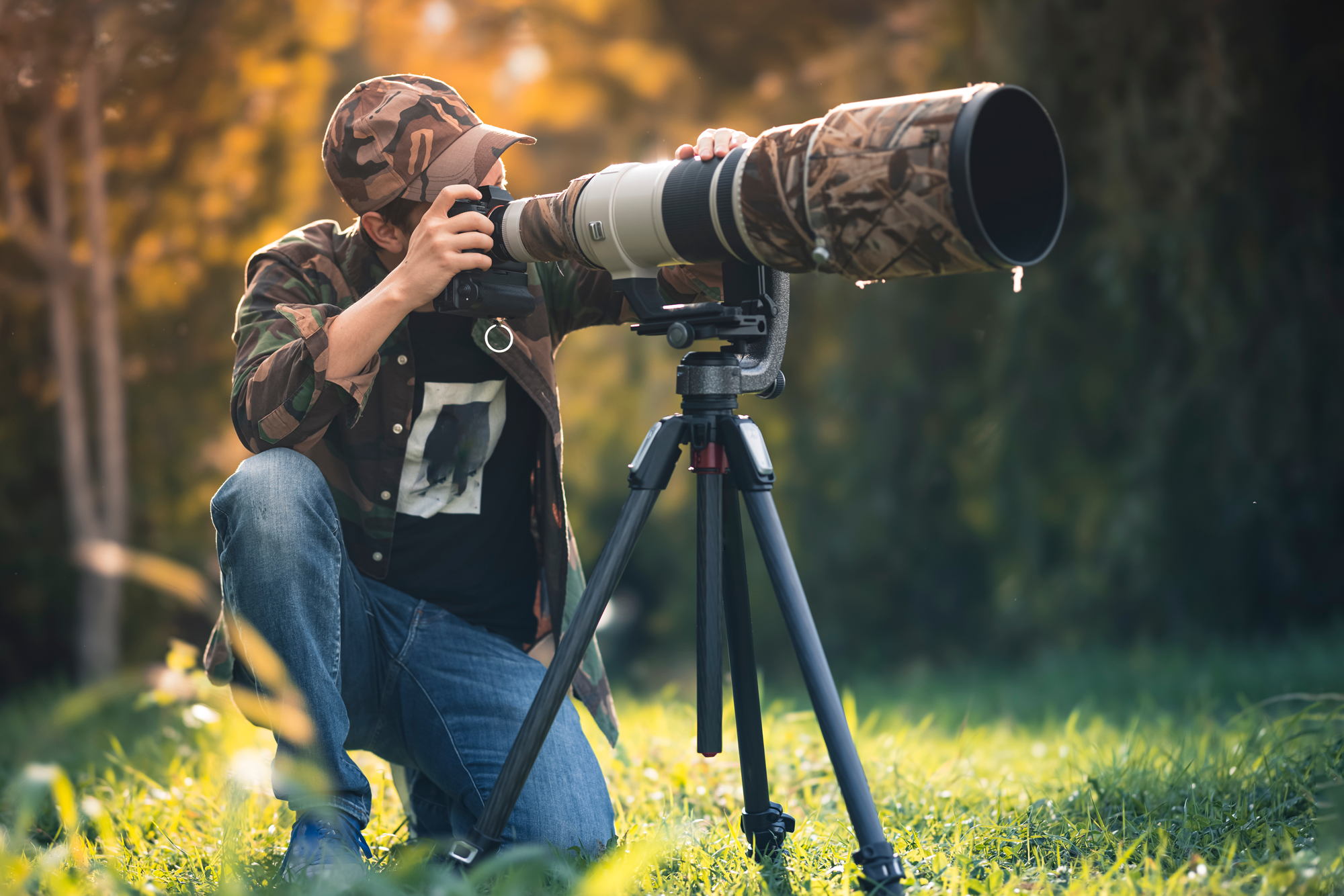
When it comes to zoo photography, having the right equipment is crucial. A DSLR or a mirrorless camera with interchangeable lenses will provide you with the flexibility and control you need to capture stunning images. A telephoto lens with a focal length between 200mm and 400mm is ideal for capturing animals from a distance. Additionally, a lens with image stabilization will help you achieve sharp and blur-free shots, especially when shooting handheld.
2. Understanding Lighting Conditions
Lighting plays a vital role in photography, and zoo photography is no exception. It's essential to understand the lighting conditions at the zoo and make the most of them. Natural light is generally the best option for capturing vibrant and realistic images. Avoid harsh midday sunlight as it can create harsh shadows and wash out colors. Early morning and late afternoon light provide a soft and warm glow, which can add a magical touch to your photographs. Experiment with different lighting conditions to create stunning visual effects.
3. Mastering Composition Techniques
Composition is the art of arranging elements within your frame to create visually appealing images. By employing various composition techniques, you can capture attention-grabbing zoo photographs. One of the most popular techniques is the rule of thirds. Imagine dividing your frame into a 3x3 grid and placing the main subject or point of interest along the gridlines or at the intersection points. This creates a more balanced and visually appealing composition.
4. Capturing Unique Behaviors and Expressions
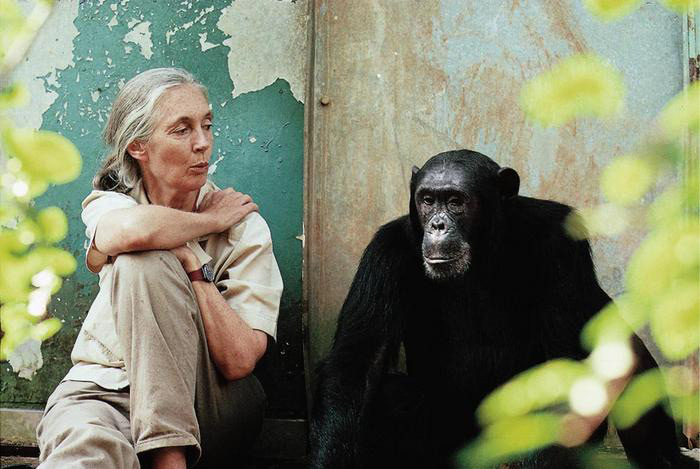
Animals at the zoo exhibit a wide range of behaviors and expressions that make for compelling photographs. Patience is key when it comes to capturing these unique moments. Observe the animals closely and anticipate their actions. Whether it's a playful interaction, a feeding session, or a curious gaze, being ready to click the shutter at the right moment can result in captivating images that tell a story.
5. Using a Fast Shutter Speed
Wild animals can be unpredictable, and capturing them in motion requires a fast shutter speed. A fast shutter speed will freeze the action and ensure sharp images. Set your camera to shutter priority mode (S or Tv mode) and select a high shutter speed of at least 1/500th of a second or higher. This will help you capture animals in action, such as running, jumping, or flying, without any motion blur.
6. Paying Attention to the Background
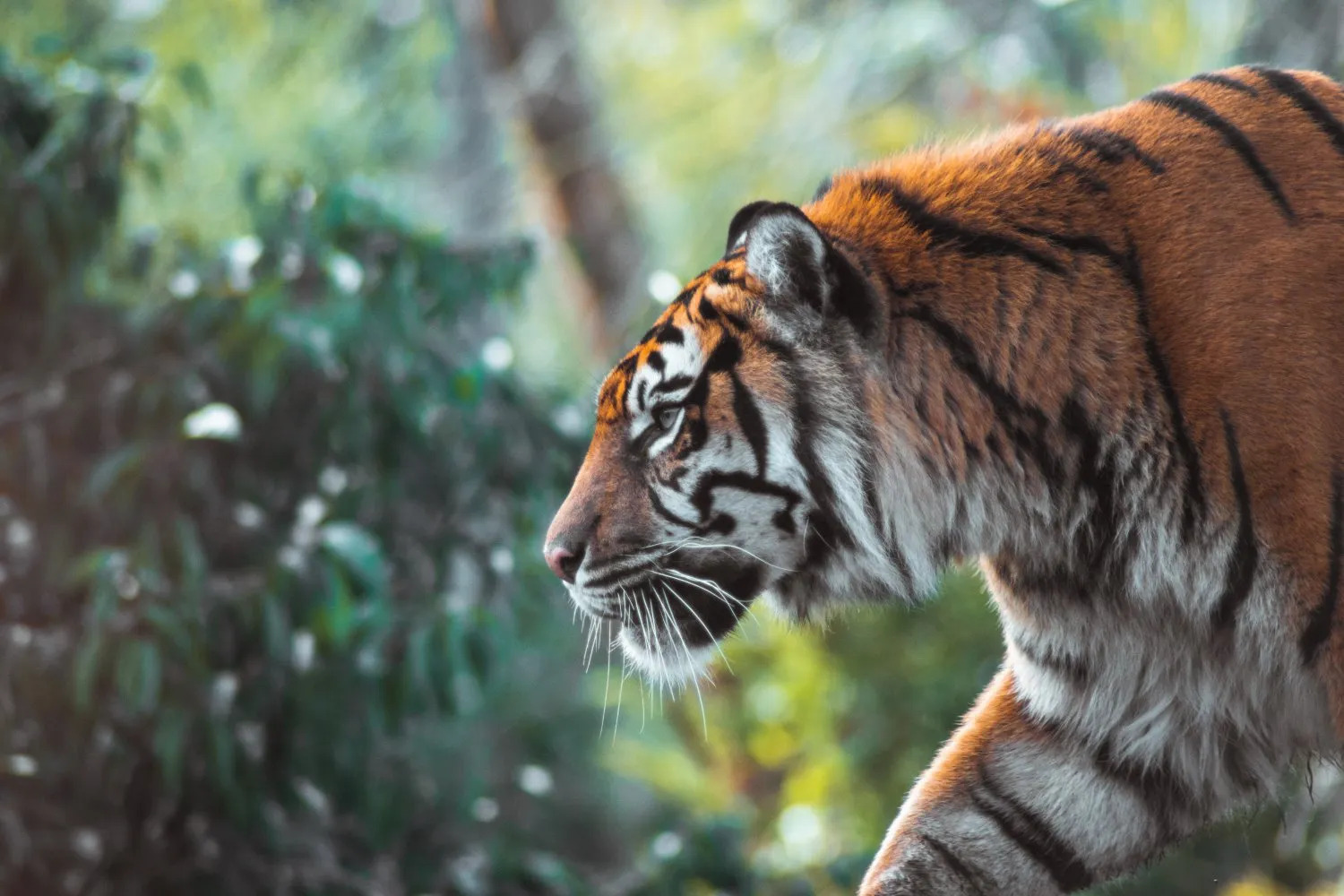
While the main focus of your zoo photographs will be the animals, it's essential to pay attention to the background as well. A cluttered or distracting background can take away from the subject and diminish the impact of your image. Look for clean and unobtrusive backgrounds that complement the animal and create separation. Consider using a wide aperture (low f-stop number) to blur the background and make the subject stand out.
7. Respecting the Animals and Their Environment
As a responsible zoo photographer, it's crucial to prioritize the well-being of the animals and respect their environment. Follow all rules and guidelines set by the zoo management. Maintain a safe distance from the animals and never disturb them for the sake of a photograph. Remember, the welfare of the animals should always come first. By practicing ethical photography, you contribute to the conservation efforts and ensure the well-being of the wildlife.
Frequently Asked Questions (FAQs)
Q1: How can I improve my zoo photography skills?
A1: Improving your zoo photography skills requires practice and experimentation. Familiarize yourself with the behavior and habits of the animals you wish to photograph. Pay attention to the lighting conditions and composition techniques. By continuously practicing and learning from your experiences, you will gradually enhance your skills and capture stunning images.
Q2: What camera settings are ideal for zoo photography?
A2: For zoo photography, it's recommended to use aperture priority mode (A or Av mode) or shutter priority mode (S or Tv mode) to have control over specific settings. Use a wide aperture (low f-stop number) to create a shallow depth of field and blur the background. Opt for a fast shutter speed to freeze the animal's motion. Experiment with different settings to find the right balance for each shot.
Q3: Should I use a tripod for zoo photography?
A3: While using a tripod can be beneficial for certain situations, it may not always be practical at the zoo. Tripods can limit your mobility, especially when photographing moving animals. However, if you plan to capture still subjects or low-light conditions, a tripod can provide stability and help you achieve sharp images.
Q4: How can I capture sharp images of fast-moving animals?
A4: To capture sharp images of fast-moving animals, use a fast shutter speed of at least 1/500th of a second or higher. Set your camera to continuous autofocus mode to track the subject's movement. Anticipate the animal's actions and be ready to click the shutter at the right moment. Patience and practice are key to capturing sharp and well-timed shots.
Q5: Are there any specific etiquettes to follow while photographing at the zoo?
A5: Yes, there are etiquettes to follow while photographing at the zoo. Respect the rules and guidelines set by the zoo management. Avoid using flash, as it can startle or disturb the animals. Maintain a safe distance from the animals and never cross barriers or fences. Be mindful of other visitors and avoid obstructing their view. Remember to prioritize the well-being of the animals and their natural environment.
Q6: How can I make my zoo photographs more engaging?
A6: To make your zoo photographs more engaging, focus on capturing unique moments, behaviors, and expressions of the animals. Look for interesting angles and perspectives. Experiment with different compositions and use leading lines or framing techniques to draw the viewer's attention to the subject. Add storytelling elements to your images by capturing interactions between animals or showcasing their natural habitats.
Zoo photography offers a wonderful opportunity to capture the beauty and diversity of wildlife. By following the 7 essential zoo photography tips discussed in this article, you can elevate your skills and create stunning images that tell captivating stories. Remember to respect the animals, their environment, and the guidelines set by the zoo management. Practice, experiment, and most importantly, enjoy the process of capturing breathtaking photographs during your next day out at the zoo!