Why Use A Telephoto Lens For Wildlife Photography?

Using a telephoto lens for wildlife photography is essential for capturing animals in their natural habitat without disturbing them. Here are some reasons why telephoto lenses are ideal for this type of photography:
1. Close-up Shots from a Distance
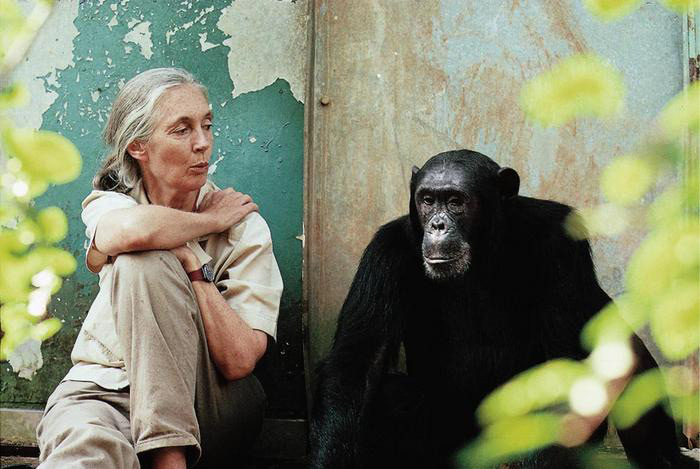
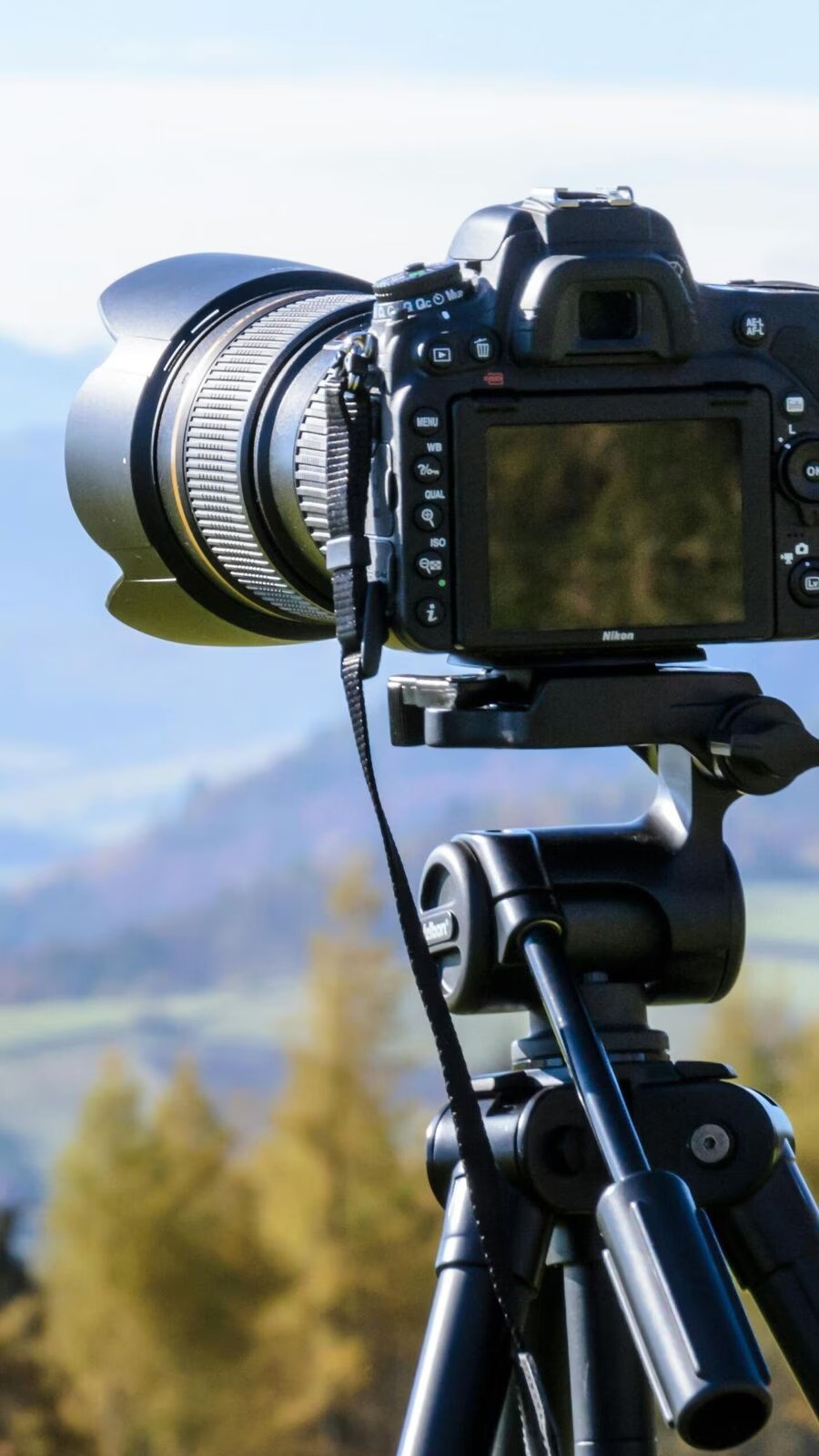
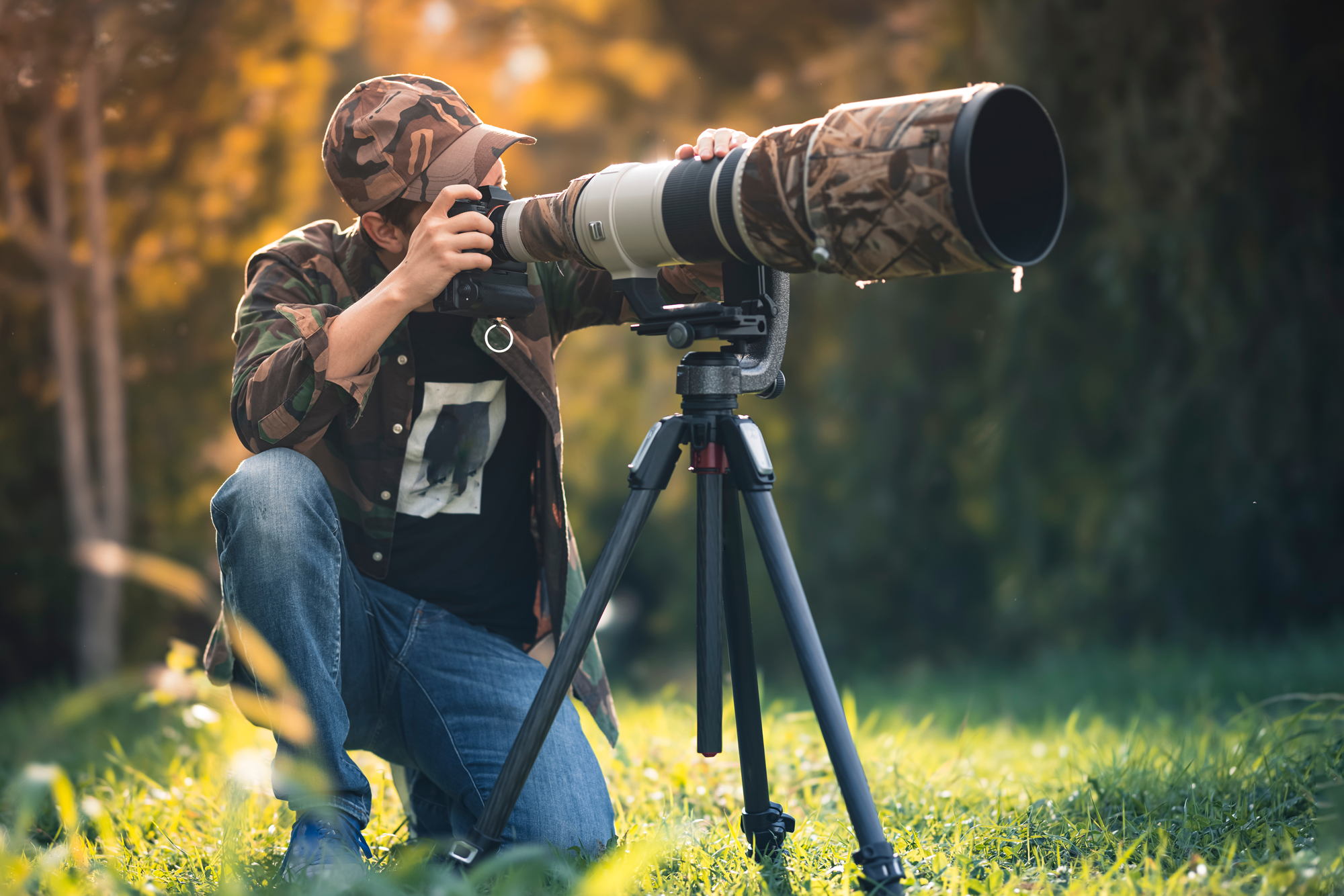
Wildlife photographers often need to maintain a significant distance from animals for both safety and to avoid disturbing them. A telephoto lens, typically with a focal length of 200mm or more, allows photographers to zoom in and capture detailed close-ups while staying far enough away.
2. Isolation of the Subject
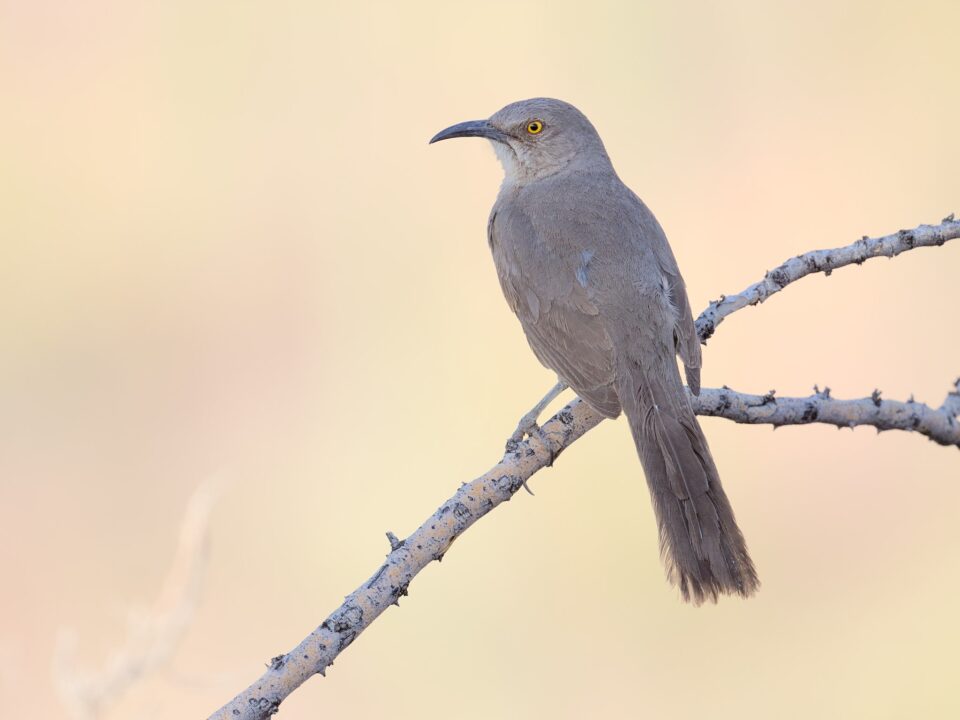
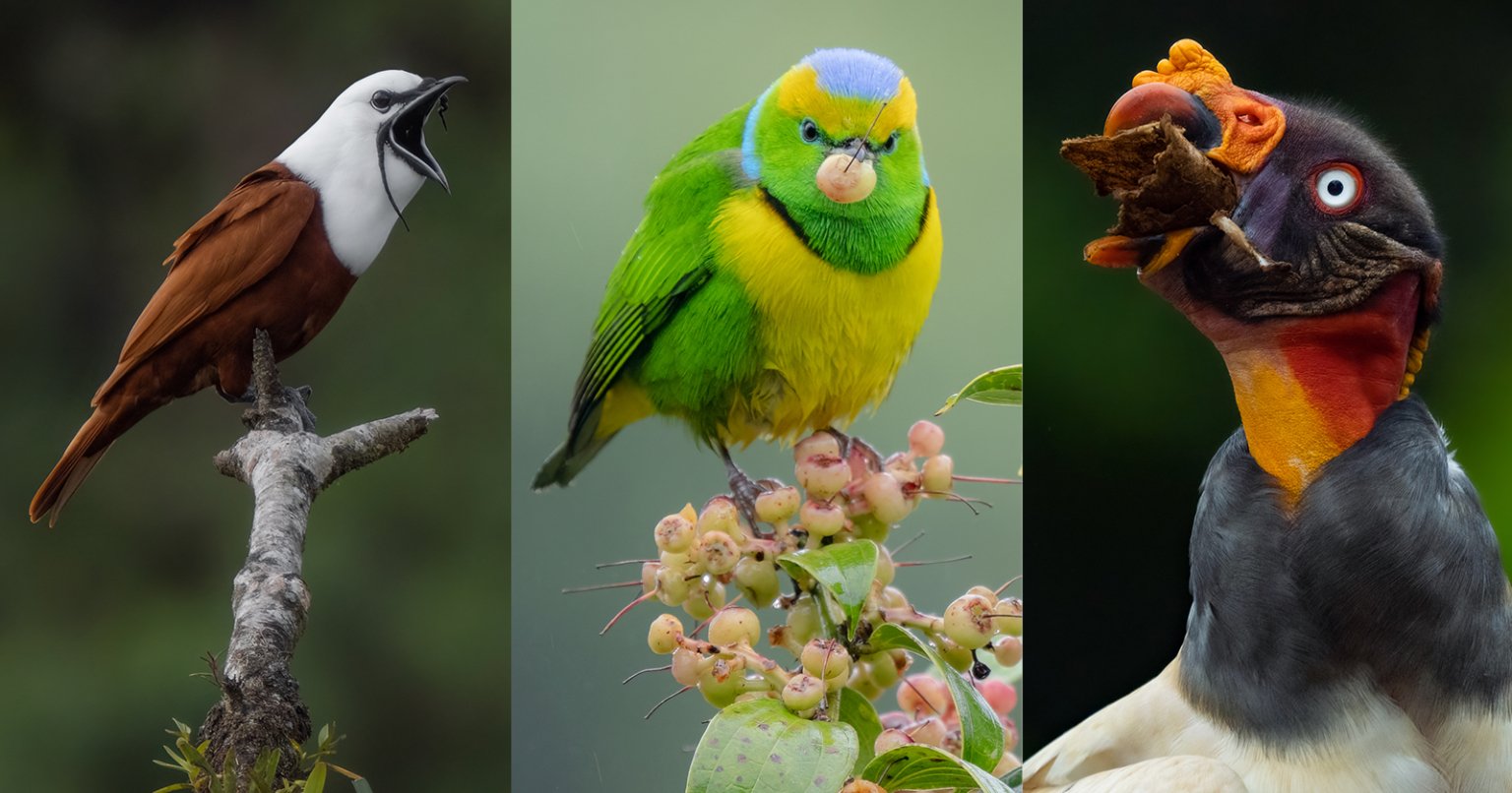
Telephoto lenses have a shallow depth of field, which helps isolate the animal from its background, creating beautiful bokeh effects. This makes the subject stand out, enhancing the focus on details like fur texture, feathers, or facial expressions.
3. Minimal Disturbance
Wildlife is often skittish, so getting too close can scare animals away or alter their behavior. A telephoto lens helps the photographer stay hidden or camouflaged, enabling candid shots of the animals’ natural behavior.
4. Capture Distant Action
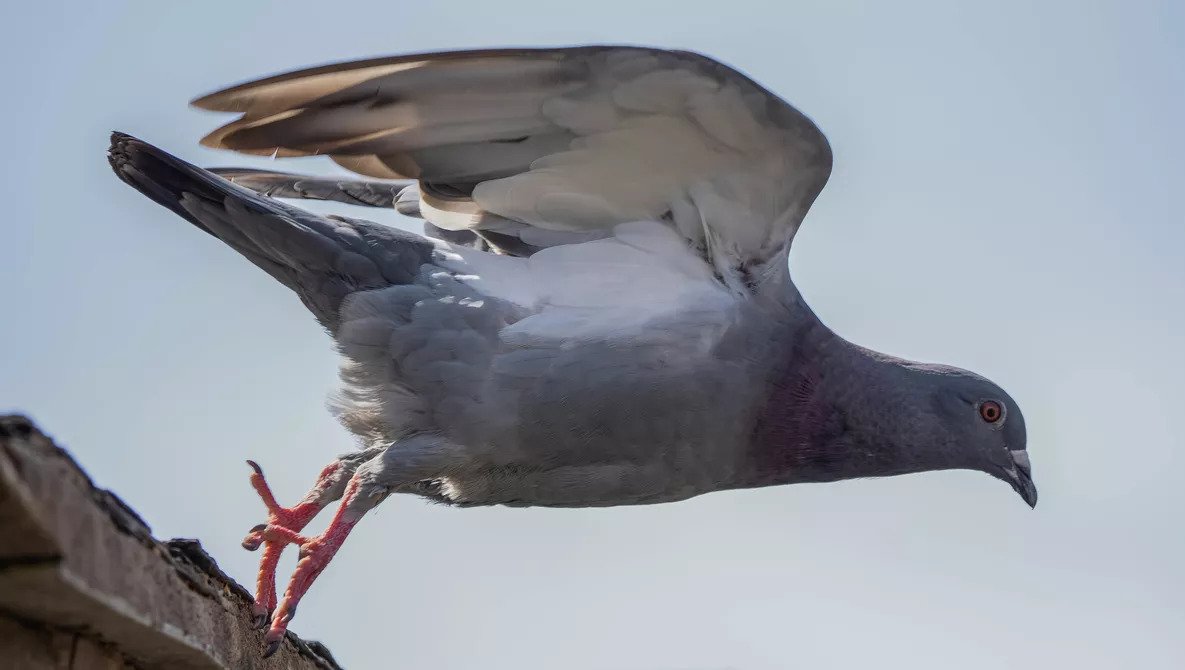
Animals are often in motion, and wildlife photography involves capturing those fleeting moments, such as a bird in flight or a predator hunting. A telephoto lens helps to capture sharp, action-packed images at a distance, even when animals are far from the photographer.
5. Compression Effect
Telephoto lenses compress the scene, making objects in the foreground and background appear closer together. This effect can create a dramatic composition, giving the image a more intense feel, which is perfect for wildlife photography.
6. Flexibility in Framing
With zoom telephoto lenses (like 70-200mm or 100-400mm), photographers can quickly adjust their framing depending on the distance or movement of the animal. This flexibility is invaluable in unpredictable wildlife environments.
Using a telephoto lens in wildlife photography enhances the ability to capture animals at a safe distance with great detail and without disrupting their environment. It also allows for stunning compositions and dynamic, up-close action shots.