How to Capture Wildlife Photos: A Beginner's Guide
-
 Loading...
 - Gretel Meier
- 25 Jul 2022
- 93 Views
- 0 Like
- 0 Comment
We all have genres that we usually shoot, but sometimes, we want to dabble in photography outside our comfort zone. It is possible to start getting great photos in other areas without them becoming a full-time occupation or costing a fortune in the extra kit. Here's how to do that with wildlife photography.
There are different breeds of wildlife photographers. At the top of the food chain is Photographicus Obsessius. They study individual species, so they know all their behaviors and can call them by their Latin names. They get up at 2 a.m., drive fifty miles or more, and sit uncomfortably for many hours with a long lens, hoping to capture a lesser-spotted, greater-crested, yellow-bellied sapsucker that only performs its mating ritual once a year between five and seven in the morning on the 28th of March. They don't leave the house unless dressed in green camouflage. Armed with a $20,000 lens mounted on their camera, they look the part.
Thank goodness for them. Like experts in every field, they are usually vociferous about their passion and do a lot to help promote awareness and protect the wildlife they photograph. The world needs more people like that, especially considering the scarily real anthropogenic mass-extinction event the planet is experiencing. In addition, they usually get some smashing photos. However, that doesn't have to be you or me.
At the other end of the scale are those of us who love wildlife and want to capture decent photos of them but don't want to put in quite the same amount of effort. We still want to get good shots, though. I fall into this camp. Photographers like us usually shoot landscapes or pictures of our family or pets. But occasionally, we want to capture photographs of the local birds and bees. If you are with me here, the good news is that it's entirely possible, and you can start by using the kit and the knowledge they already have.
When we think about wildlife photography, we often imagine rare species behaving extraordinarily or close-up portraits of creatures with blurred backgrounds. It doesn't have to be so.

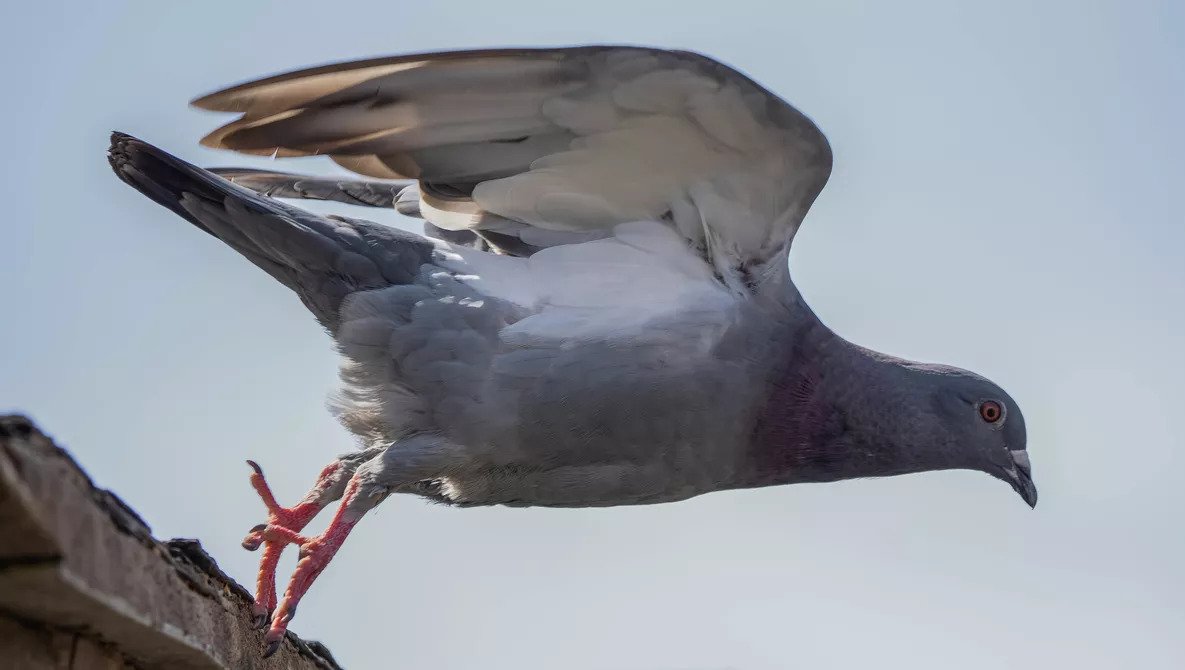
Most of us are surrounded by wildlife. I am lucky because I live in a small coastal town in a rural county. This place swarms with birds, and on my early morning bike ride, I will also regularly encounter deer and a host of smaller mammals like hares, rabbits, and various mustelids. Then, in the sea are seals and dolphins. But even in cities, wildlife encroaches into the environment. Read More...