7 Lifestyle Changes to Regulate Your Blood Pressure
-
 Loading...
 - David Musa
- 31 May 2023
- 100 Views
- 0 Like
- 0 Comment
High blood pressure, also known as hypertension, is a common health condition that affects millions of people worldwide. It is often referred to as the "silent killer" because it usually doesn't cause any noticeable symptoms until it reaches dangerous levels. However, if left untreated, high blood pressure can lead to serious complications such as heart disease, stroke, and kidney problems.
The good news is that there are several lifestyle changes you can make to help regulate your blood pressure and reduce your risk of developing these complications. In this article, we will explore seven effective lifestyle changes that can make a significant difference in managing your blood pressure levels.
1. Maintain a Healthy Weight
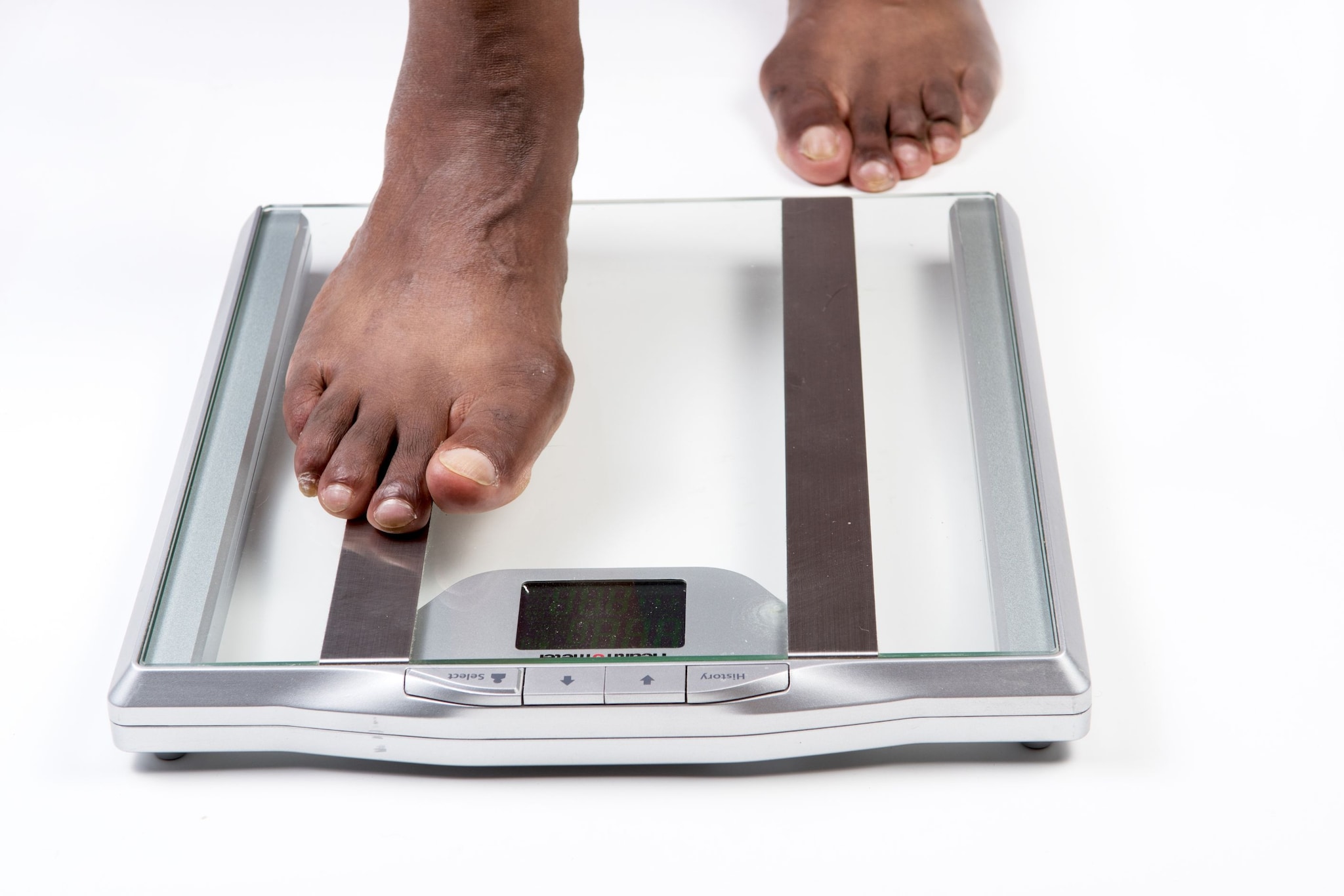
Excess body weight is a significant risk factor for high blood pressure. Losing even a small amount of weight can have a positive impact on your blood pressure readings. Aim for a body mass index (BMI) within the healthy range, which is typically between 18.5 and 24.9.
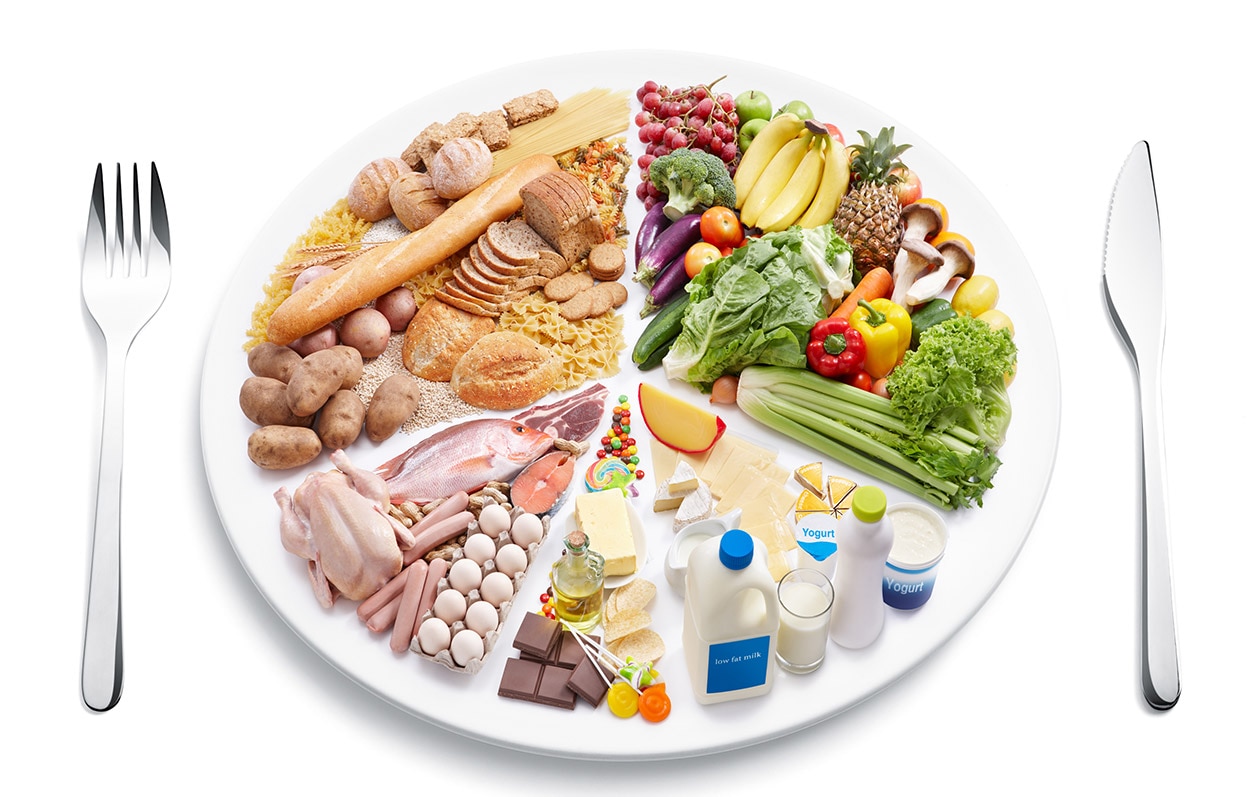
2. Follow a Balanced Diet
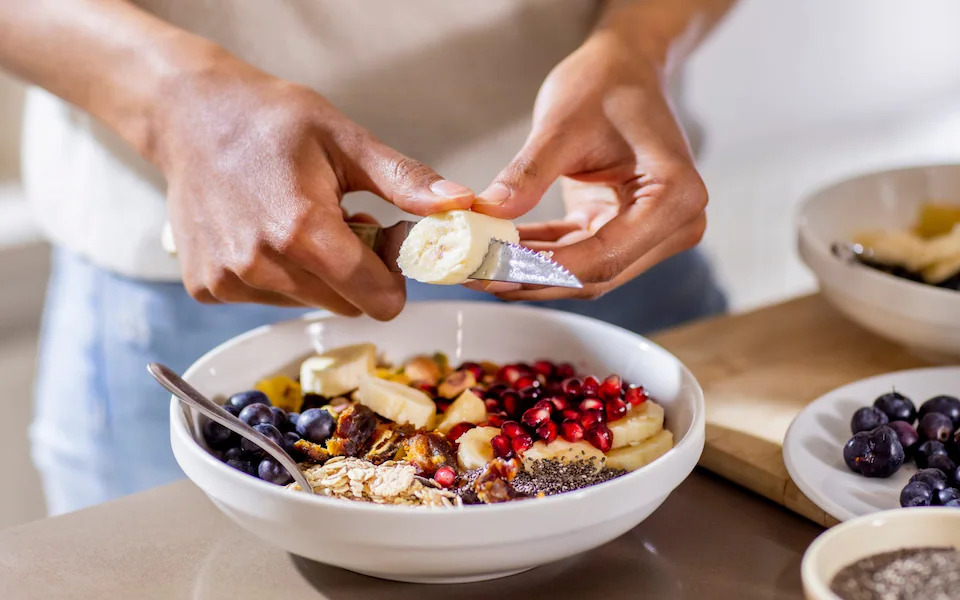
Your diet plays a crucial role in managing your blood pressure. Incorporate foods that are rich in fruits, vegetables, whole grains, lean proteins, and low-fat dairy products. These foods are naturally low in sodium and high in nutrients that promote heart health. Additionally, limit your intake of processed foods, salty snacks, and sugary beverages.

3. Reduce Sodium Intake
Excessive sodium consumption can cause your blood pressure to rise. It is recommended to limit your daily sodium intake to no more than 2,300 milligrams (mg), or even better, aim for 1,500 mg if you have hypertension or are at a higher risk. Read food labels carefully, choose low-sodium alternatives, and avoid adding extra salt to your meals.

4. Engage in Regular Physical Activity
Physical activity is essential for maintaining healthy blood pressure levels. Aim for at least 150 minutes of moderate-intensity aerobic exercise or 75 minutes of vigorous-intensity exercise per week. This can include activities such as brisk walking, cycling, swimming, or dancing. Regular exercise helps strengthen your heart and improves blood circulation.

5. Limit Alcohol Consumption
Excessive alcohol consumption can contribute to high blood pressure. If you choose to drink, do so in moderation. According to the Centers for Disease Control and Prevention (CDC), moderate drinking is defined as up to one drink per day for women and up to two drinks per day for men.
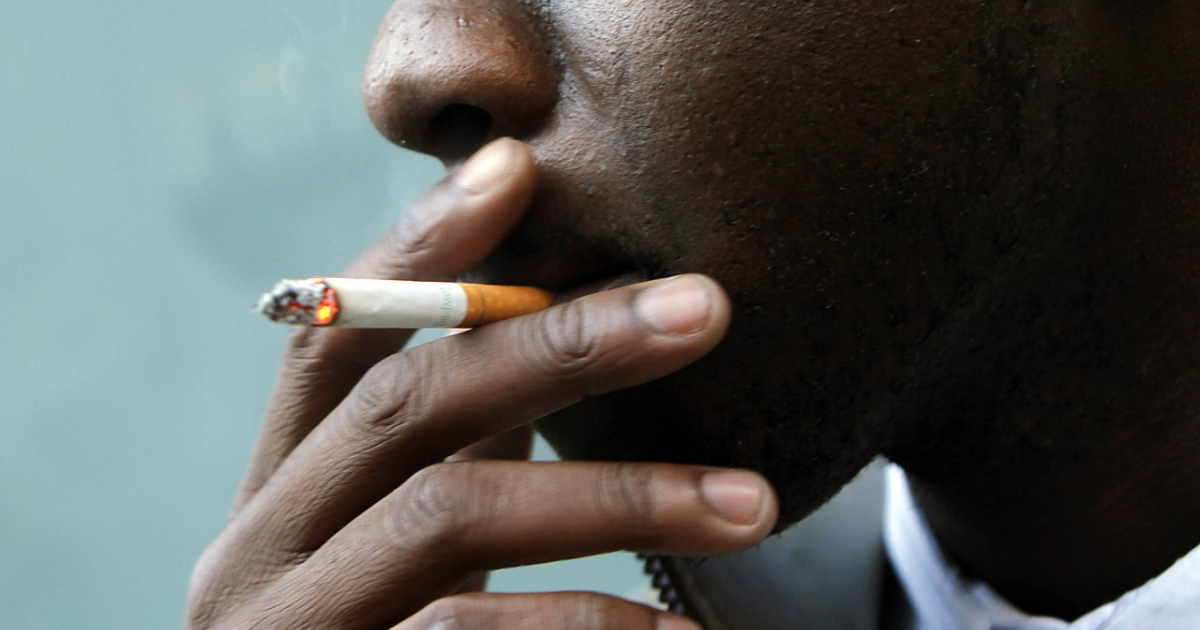
6. Quit Smoking
Smoking tobacco products can significantly increase your blood pressure and damage your blood vessels. If you smoke, quitting is one of the best things you can do for your overall health. Seek support from healthcare professionals, use smoking cessation aids if needed, and adopt healthy coping strategies to overcome the habit.
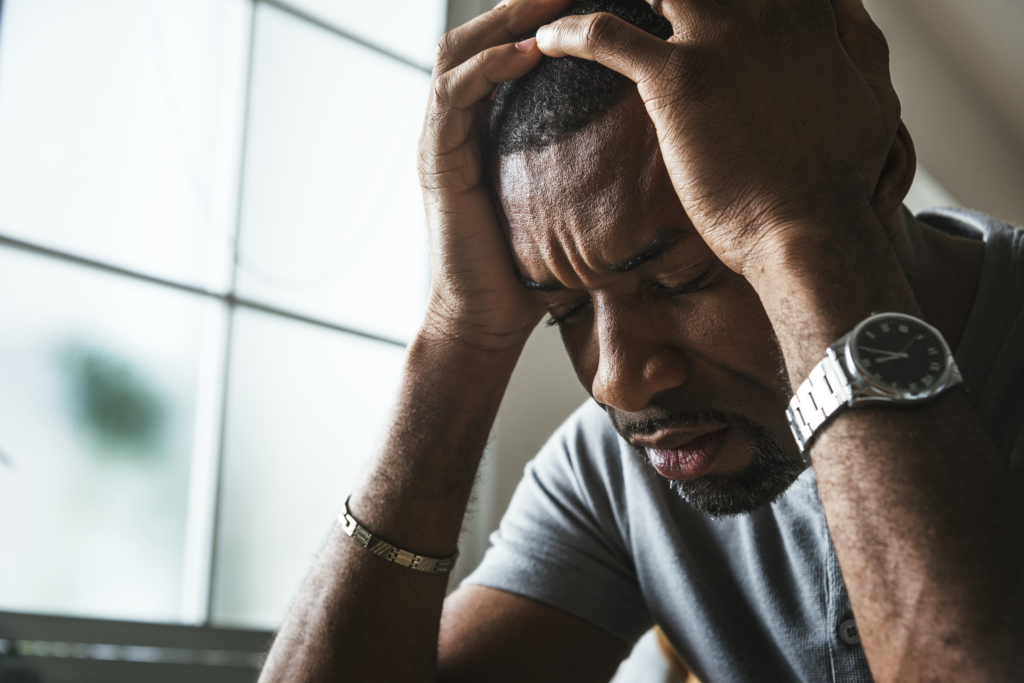
7. Manage Stress Levels
Chronic stress can have a detrimental effect on your blood pressure. Find healthy ways to manage stress, such as practicing relaxation techniques (e.g., deep breathing, meditation, yoga), engaging in hobbies, spending time with loved ones, or seeking professional help if necessary. Managing stress effectively can help lower your blood pressure and improve your overall well-being.
Frequently Asked Questions
Q: What is considered high blood pressure?
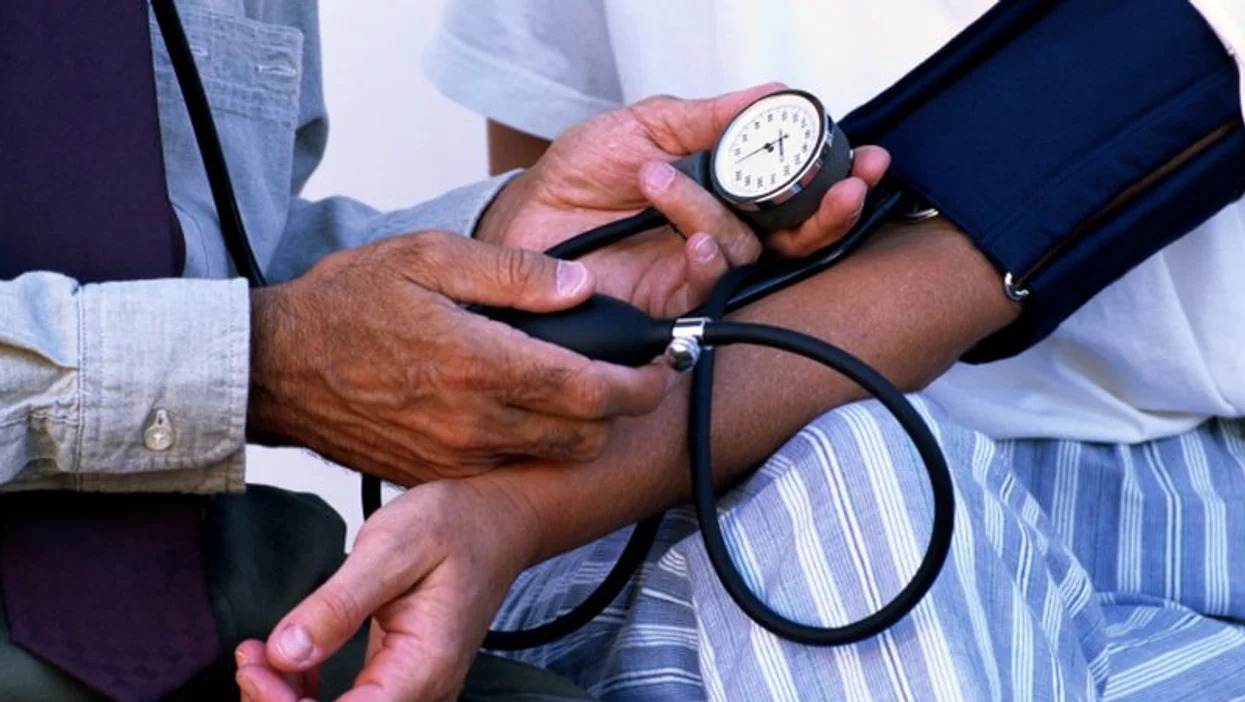
A: High blood pressure, also known as hypertension, is diagnosed when your blood pressure consistently measures 130/80 mmHg or higher. It is essential to monitor your blood pressure regularly and consult with a healthcare professional if you have concerns.
Q: Can lifestyle changes alone lower blood pressure?
A: Yes, lifestyle changes can play a significant role in managing blood pressure. In many cases, lifestyle modifications, including a healthy diet, regular exercise, weight management, and stress reduction, can help regulate blood pressure levels without the need for medication.
Q: How long does it take for lifestyle changes to affect blood pressure?
A: The timeline for seeing changes in blood pressure can vary from person to person. However, in general, consistent lifestyle changes may start to show improvements within a few weeks to several months. It is important to maintain these changes for long-term benefits.
Q: Are there any natural remedies for high blood pressure?
A: While lifestyle changes are considered natural remedies for high blood pressure, there are also some herbal supplements and alternative therapies that claim to help regulate blood pressure. However, it is crucial to consult with a healthcare professional before trying any natural remedies, as they may interact with medications or have potential side effects.
Q: Can stress cause high blood pressure?
A: While stress alone may not cause long-term high blood pressure, it can contribute to temporary spikes in blood pressure. Chronic stress, if left unmanaged, can lead to unhealthy coping behaviors (such as overeating, excessive alcohol consumption, or smoking) that can negatively impact blood pressure levels.
Q: Is it possible to control blood pressure without medication?
A: In some cases, lifestyle changes alone may be sufficient to control blood pressure without the need for medication. However, it is essential to work closely with a healthcare professional to determine the most appropriate treatment plan for your specific situation.
In conclusion, by implementing these seven lifestyle changes, you can take control of your blood pressure and reduce your risk of developing serious health complications. Remember to maintain a healthy weight, follow a balanced diet, limit sodium intake, engage in regular physical activity, moderate alcohol consumption, quit smoking, and effectively manage stress levels.
Prioritize your health and well-being by making these positive changes in your daily routine. Consult with your healthcare professional for personalized advice and guidance on managing your blood pressure effectively. With dedication and persistence, you can achieve healthier blood pressure levels and improve your overall quality of life.