Warning Signs of a Rising Blood Pressure
-
 Loading...
 - Hartwin Stein
- 15 Jul 2024
- 260 Views
- 0 Like
- 0 Comment
Discover the crucial warning signs of high blood pressure and learn how to take proactive steps to manage this common health issue.
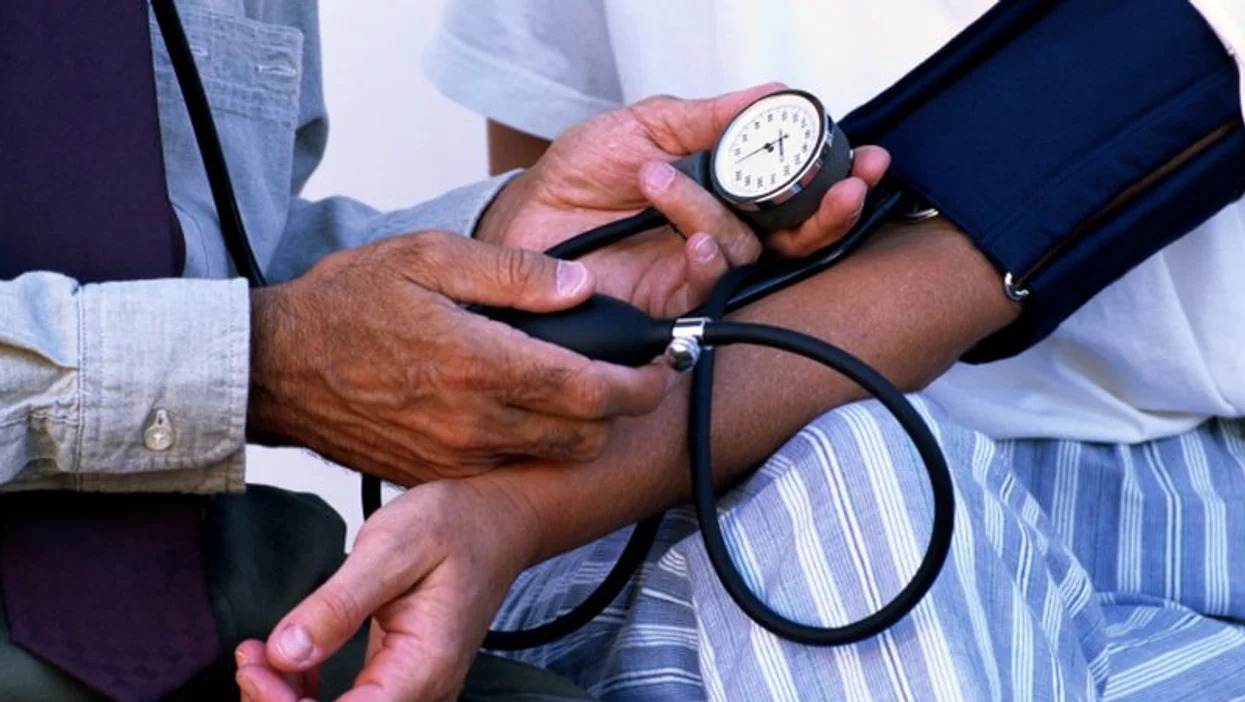
High blood pressure, also known as hypertension, is a widespread health concern that affects millions of people worldwide. If left unchecked, it can lead to serious complications, such as heart disease, stroke, and kidney problems. Recognizing the warning signs of rising blood pressure is crucial for taking prompt action and maintaining good cardiovascular health. In this article, we'll explore the key indicators that your blood pressure may be on the rise, and provide you with valuable insights on how to address this condition effectively.
Frequent Headaches
One of the most common warning signs of rising blood pressure is the onset of frequent or persistent headaches. These headaches are often described as a dull, throbbing pain that can be felt in the temples, forehead, or back of the head. If you find yourself experiencing headaches more often than usual, it's essential to have your blood pressure checked by a healthcare professional.
Dizziness and Lightheadedness
Feeling dizzy or lightheaded can be another indication that your blood pressure is on the rise. This can occur when the body is unable to properly regulate blood flow, leading to a sudden drop in blood pressure. If you experience these symptoms, it's crucial to seek medical attention, as they can also be a sign of other underlying health issues.
Chest Pain or Discomfort
Chest pain or discomfort can be a concerning symptom of high blood pressure. This may be a result of the increased strain on the heart, which can lead to angina or other cardiovascular problems. If you experience any chest-related symptoms, it's essential to seek immediate medical care, as they may be a sign of a more serious condition.
Shortness of Breath
Difficulty breathing or shortness of breath can also be a warning sign of rising blood pressure. This can occur when the heart struggles to pump blood effectively, leading to a buildup of fluid in the lungs. If you find yourself experiencing shortness of breath, especially during physical activity, it's important to have your blood pressure checked.
Vision Changes
High blood pressure can also affect your vision, leading to blurred or impaired eyesight. This is because the increased pressure can damage the small blood vessels in the eyes, causing them to leak or become blocked. If you notice any changes in your vision, it's crucial to have your blood pressure and overall eye health evaluated.
Fatigue and Lack of Energy
Feeling constantly tired or lacking energy can be a sign that your blood pressure is on the rise. This is because the heart has to work harder to pump blood throughout the body, which can lead to feelings of fatigue and exhaustion. If you find yourself feeling more tired than usual, even after getting enough rest, it's important to have your blood pressure checked.
Conclusion
Recognizing the warning signs of rising blood pressure is crucial for maintaining good cardiovascular health. By being aware of these symptoms and taking proactive steps to manage your blood pressure, you can reduce your risk of developing serious health complications. Remember to consult with your healthcare provider if you experience any of the warning signs discussed in this article, and work together to develop a plan for managing your blood pressure effectively.