7 Tips for Amazing Documentary Travel Photography
-
 Loading...
 - Junjie Zoeng
- 09 Feb 2023
- 66 Views
- 0 Like
- 0 Comment
Looking to improve your documentary travel shots? While it can be tough to capture top-notch documentary-style images of your travels – the kind that include interesting subjects, compelling narratives, and flawless compositions – with a bit of knowledge (and a healthy dose of perseverance), literally anyone can create amazing results.
I’m a longtime documentary travel photographer, and in this article, I share my seven best tips to achieve gorgeous shots. By the time you’re finished reading, you’ll be ready to bring out that camera and document your travels all around the world!
1. Tell a story with your photographs

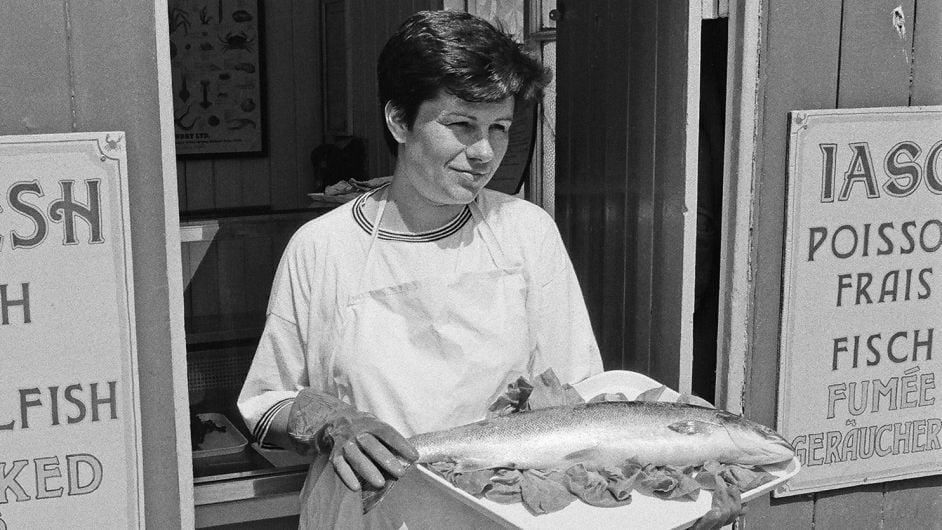
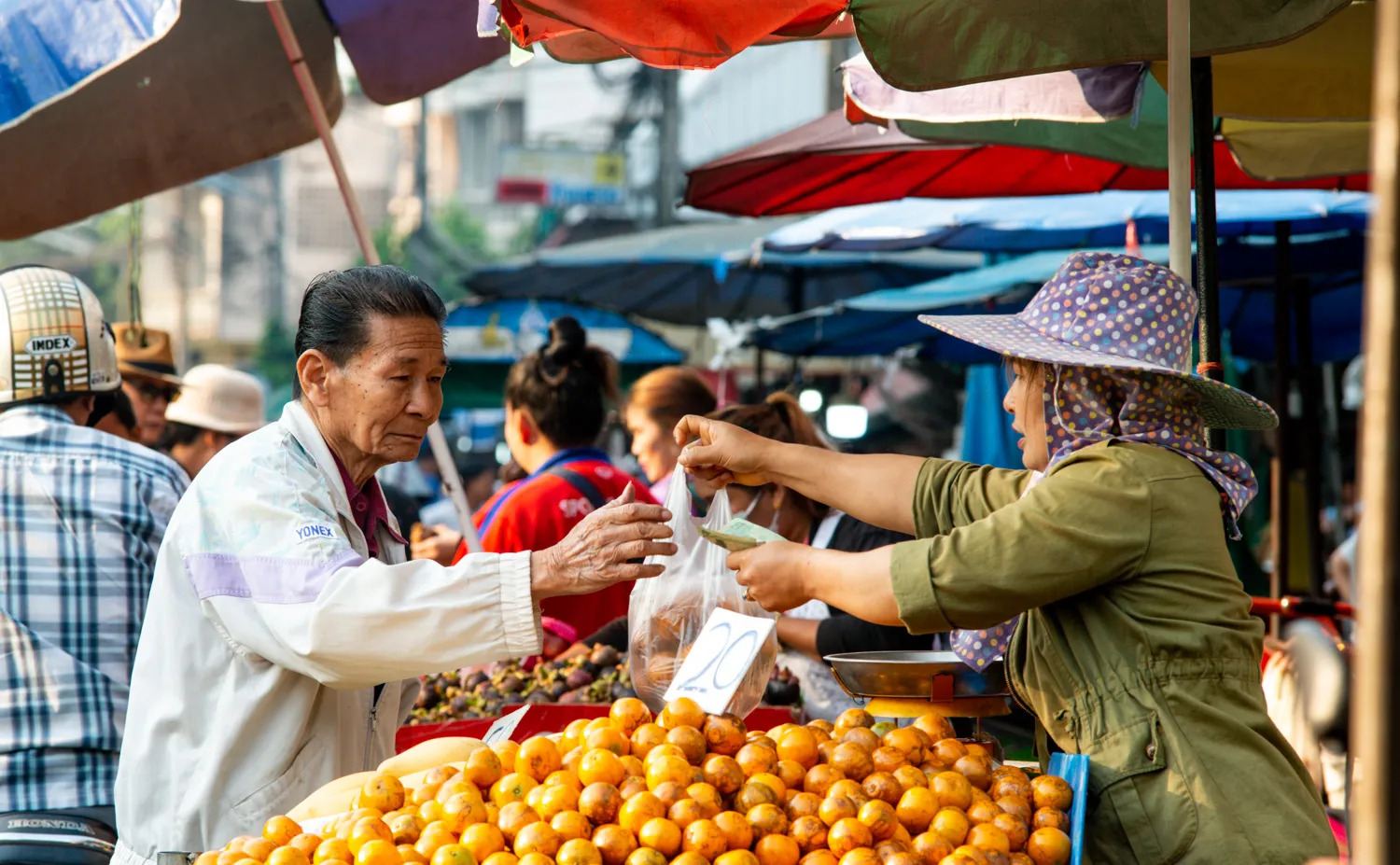
Storytelling is an essential part of many genres of photography, especially travel documentary shooting. If you can tell stories through your images, you have a far better chance of engaging the viewer (and retaining their attention across multiple photos).
But how can you ensure that your images include narratives? First, spend some time considering potential stories during the planning stage. Think about why you’re going and what you’ll be doing. Ask yourself: How can I turn this into a story? Consider what interests and attracts you most to each location, and see whether you can identify key relationships or meanings for different people and objects.
Remember that photographic stories, unlike written stories, tend to be very sparse on details and rather suggestive (rather than explicit). A person staring out through a shop window often implies a sense of longing or loneliness, but it doesn’t actually tell the viewer a whole lot about the person’s life, and that’s okay. In other words, don’t get caught up in the desire to create complex, sophisticated narratives, because you’ll often fail!
Write down potential themes you might pursue, and each day as you travel, check your list and make sure to include a few of the ideas in your photos. For instance, you might aim to capture:
- Specific buildings
- Local artists working
- Old people’s faces
- Coffee shops
- Street signs
- Bus stations
Consider what’s most relevant to the places you’ll go, and when you identify an area with plenty of storytelling opportunities, plan to spend more time at that location.