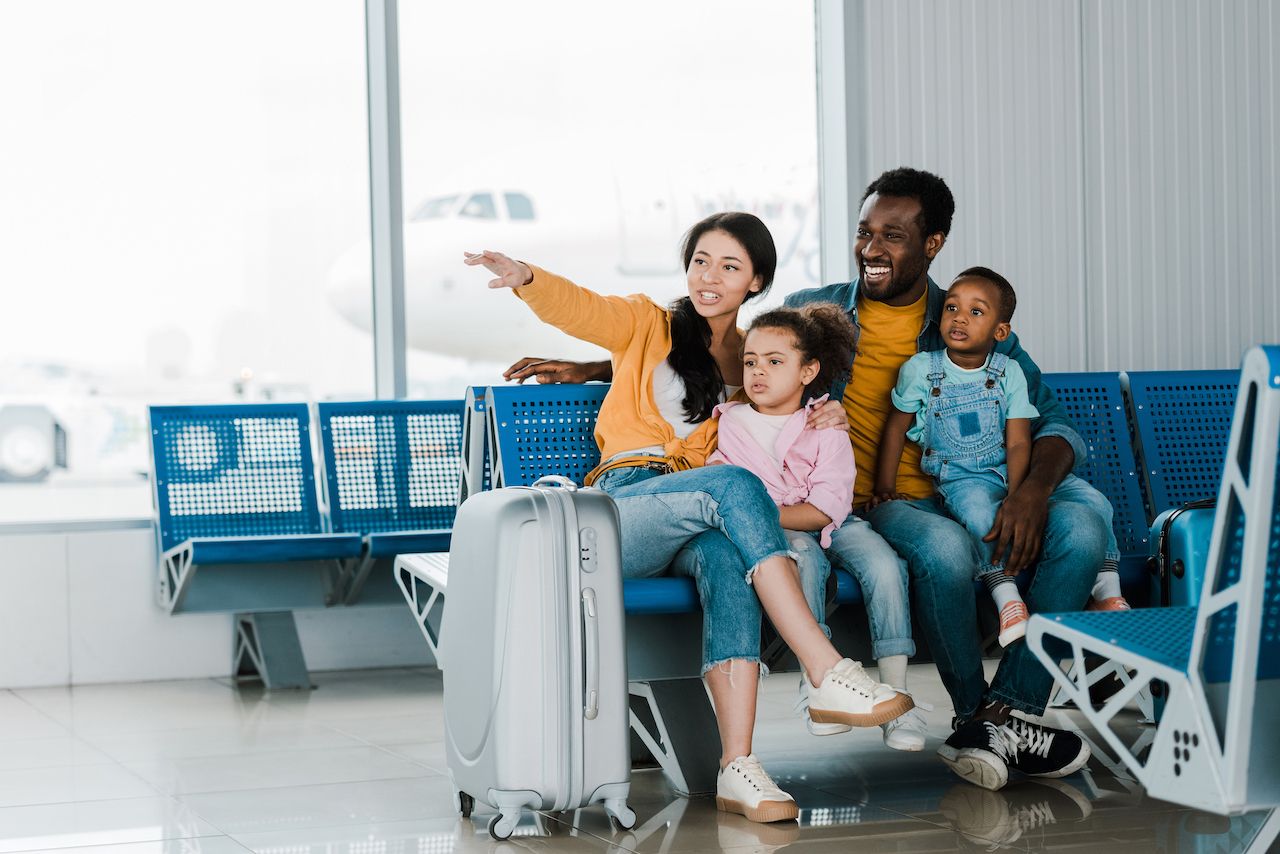
7 Tips on How to Travel with Children: Making Your Journey Enjoyable and Stress-Free
-
 Loading...
 - Domingos Aksana
- 08 Jun 2023
- 86 Views
- 0 Like
- 0 Comment
Traveling with children can be a daunting task for any parent or guardian. The thought of keeping them entertained, managing their needs, and ensuring their safety during the journey can feel overwhelming. However, with the right preparation and a positive mindset, traveling with children can be a rewarding and memorable experience for the whole family. In this article, we will explore seven essential tips on how to travel with children, providing you with practical strategies and insights to make your journey enjoyable and stress-free.
1. Plan Ahead: Create an Itinerary
One of the key factors in ensuring a smooth and successful trip with children is careful planning. Start by creating a detailed itinerary that includes the duration of your trip, destinations, and activities. Consider the interests and preferences of your children when selecting attractions and outings. Research child-friendly accommodations, restaurants, and nearby amenities to make your stay comfortable and convenient.
Additionally, make a checklist of essential items such as extra clothing, diapers, medications, and entertainment options for the journey. This will help you stay organized and minimize the chances of forgetting important items.
2. Pack Smart: Essentials for Traveling with Children
Packing efficiently is crucial when traveling with children. Make sure to pack the essentials while avoiding unnecessary bulk. Here are some must-have items:
- Travel Documents and Identification
Ensure you have all the necessary travel documents for both yourself and your children. This includes passports, identification cards, visas (if applicable), and any relevant medical records.
- Snacks and Hydration
Carry a variety of healthy snacks and drinks to keep your children nourished and hydrated during the journey. Opt for non-perishable snacks like granola bars, fruit, and trail mix.
- Comfort Items
Pack familiar comfort items such as blankets, pillows, stuffed animals, or pacifiers. These familiar objects can provide a sense of security and help your child feel more at ease in unfamiliar surroundings.
- Entertainment
Bring along age-appropriate entertainment options such as books, coloring books, puzzles, electronic devices, and headphones. These will keep your children engaged and entertained during long flights or car rides.
- Medications and First Aid Kit
If your child requires any medications, ensure you have an adequate supply for the duration of the trip. It's also advisable to carry a basic first aid kit containing band-aids, antiseptic ointment, and pain relievers.
3. Choose Child-Friendly Accommodations
Selecting child-friendly accommodations plays a crucial role in ensuring a comfortable and enjoyable trip. Look for hotels or rental properties that offer amenities and services catering to families with children. Consider factors such as childproofed rooms, playgrounds, swimming pools, and babysitting services. Reading online reviews and checking with trusted travel websites can help you find suitable accommodations that meet your family's needs.
4. Stay Flexible: Embrace Spontaneity
While planning is essential, it's equally important to embrace flexibility and spontaneity when traveling with children. Understand that unexpected situations may arise, and your children's needs and interests can change during the trip. Be open to adjusting your itinerary and allowing for impromptu adventures or rest days.
5. Engage in Interactive Learning Experiences
Traveling provides a unique opportunity for children to learn about different cultures, history, and the natural world. Look for interactive learning experiences that can engage and educate your children. Visit museums, historical sites, and nature reserves, or participate in guided tours specifically designed for families. These experiences will not only be educational but also create lasting memories for your children.
6. Establish Ground Rules and Set Expectations
Before embarking on your journey, have a conversation with your children about the ground rules and expectations during travel. Explain the importance of safety, respect for others, and the need to follow instructions. Involve them in decision-making when appropriate, allowing them to feel empowered and responsible. By setting clear expectations, you can create a more harmonious and enjoyable travel experience for everyone.
7. Take Care of Yourself: Self-Care for Parents
Traveling with children can be demanding, both physically and emotionally. It's crucial to prioritize self-care during your trip to ensure you have the energy and patience to attend to your children's needs. Take breaks when needed, practice deep breathing exercises, and engage in activities that help you relax and recharge. Remember, by taking care of yourself, you'll be better equipped to handle any challenges that arise during the journey.
FAQs
Q1: How can I keep my children entertained during long flights?
A1: To keep your children entertained during long flights, consider the following:
Pack a variety of engaging activities such as coloring books, stickers, and small toys.
Download age-appropriate movies, TV shows, or educational apps on a tablet or smartphone.
Play interactive games together, such as "I Spy" or card games.
Take regular walks up and down the aisle to stretch their legs.
Q2: How can I ensure my child's safety during travel?
A2: Ensuring your child's safety during travel is paramount. Here are some tips:
Keep a close eye on your child at all times, especially in crowded areas.
Teach your child about stranger danger and establish a meeting point in case of separation.
Use child safety harnesses or backpacks with leashes in busy or unfamiliar locations.
Ensure car seats and booster seats are properly installed and used when required.
Q3: How can I handle jet lag when traveling with children?
A3: To minimize the effects of jet lag on children, try the following:
Adjust your child's sleep schedule gradually a few days before the trip.
Encourage exposure to natural daylight upon arrival at the destination.
Ensure your child stays hydrated and eats healthy meals to support their energy levels.
Engage in light physical activities or outdoor play to help regulate sleep patterns.