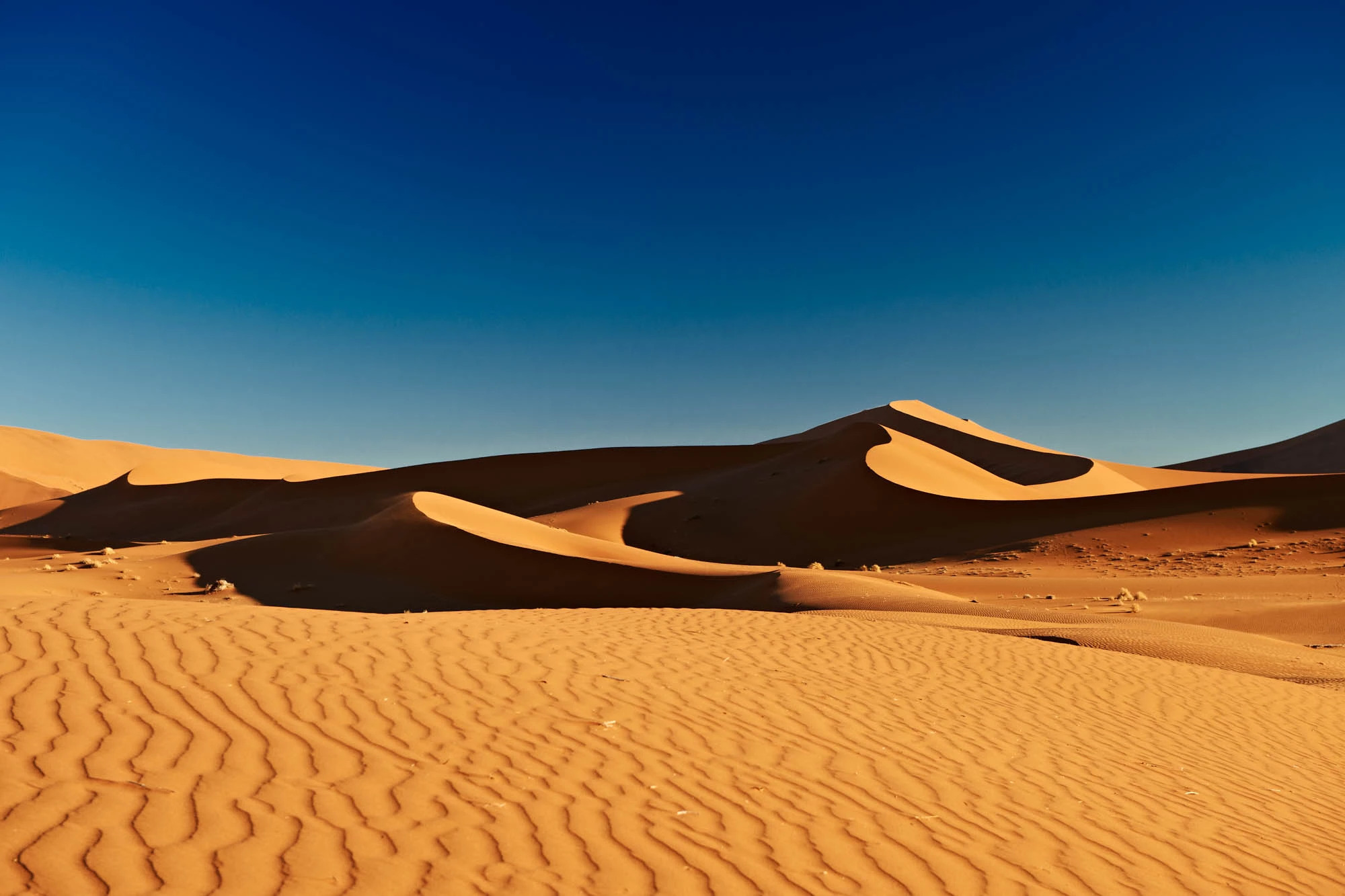
8 Desert Photography Tips: Capturing the Beauty of the Desert
-
 Loading...
 - elliot aria
- 12 May 2023
- 72 Views
- 0 Like
- 0 Comment
Discover 8 essential desert photography tips to enhance your skills and capture the breathtaking beauty of the desert landscape. From focusing on unique details to capturing golden hours, learn how to improve your desert photography results.
The desert is a mesmerizing landscape that offers a unique canvas for photography enthusiasts. However, capturing the beauty of the desert can be a challenging task. In this article, we will discuss 8 essential desert photography tips that will help you enhance your skills and capture stunning photos of this extraordinary environment. Before you give up on your dream of capturing beautiful desert photos, let's dive into these tips and explore how you can improve your results.
1. Focus on the Unique Details of the Desert
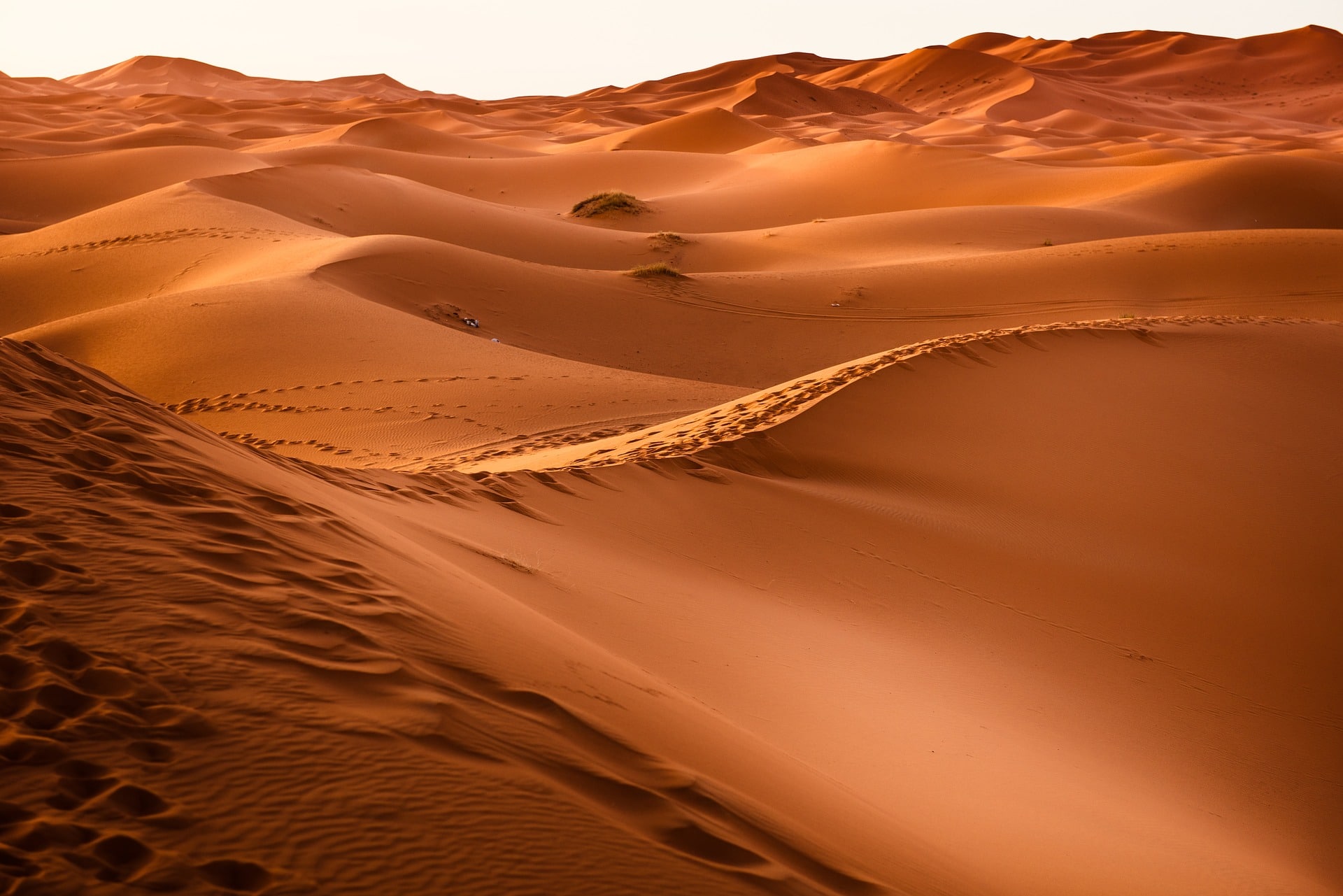
To create captivating desert photographs, it's crucial to pay attention to the unique details that make this environment special. The desert is teeming with intricate patterns, textures, and colors that can add depth and interest to your images. Look for fascinating rock formations, delicate desert flora, captivating sand dunes, or even animal tracks in the sand. By focusing on these intricate details, you can create visually stunning compositions that truly reflect the essence of the desert.
2. Tell a Story
Every photograph has the potential to tell a story, and desert photography is no exception. When capturing the desert landscape, think about the narrative you want to convey. Are you aiming to capture the solitude and vastness of the desert? Or perhaps you want to showcase the resilience of desert life amidst harsh conditions. By incorporating storytelling elements into your photography, you can create images that evoke emotions and engage your viewers on a deeper level.
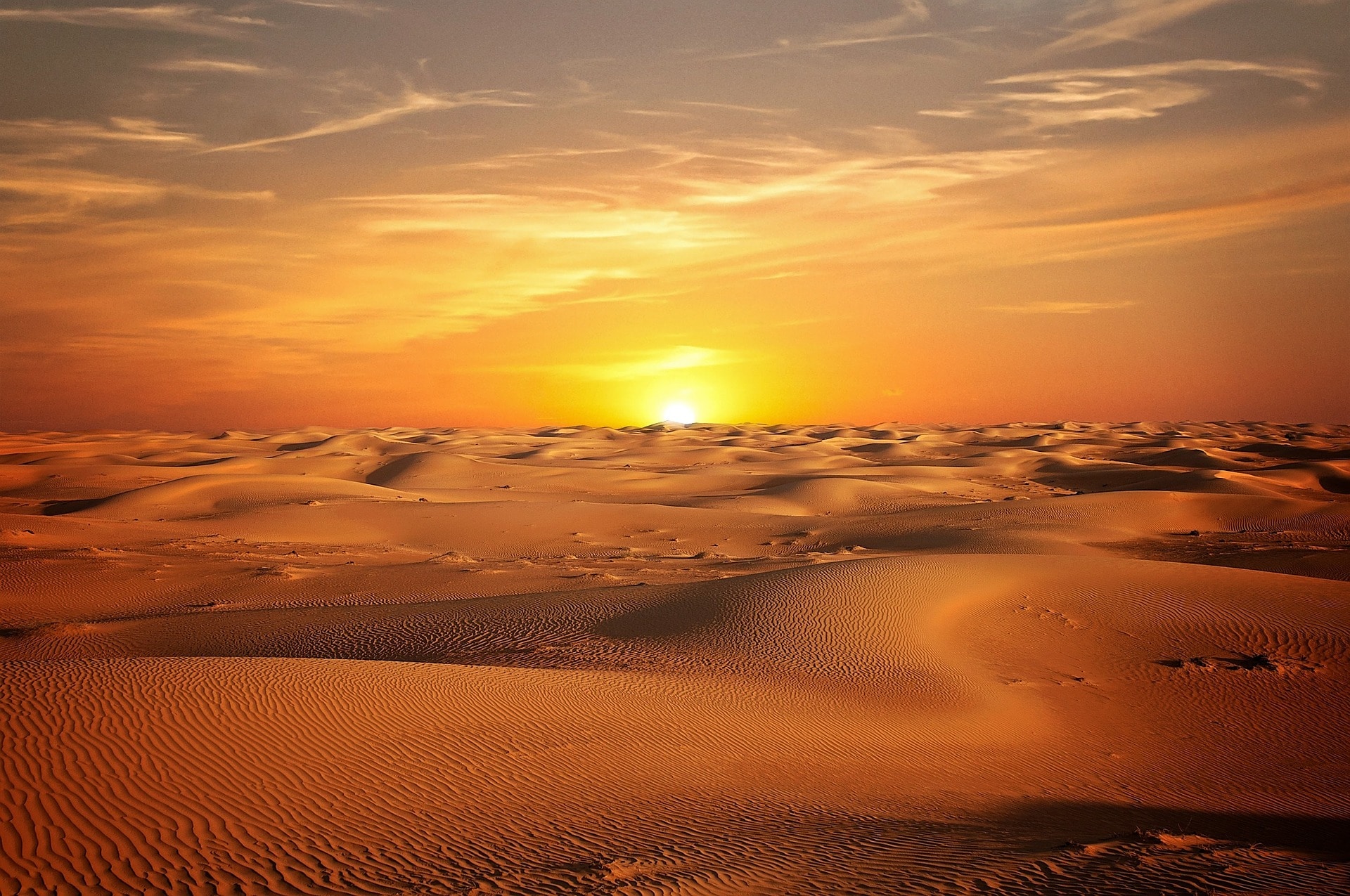
3. Capture Golden Hours
The golden hours, which are the periods shortly after sunrise and before sunset, offer magical lighting conditions that can transform your desert photographs. The soft, warm light during these times of the day casts long shadows and creates a beautiful golden glow across the landscape. This light enhances the textures and colors of the desert, adding a touch of enchantment to your images. Make sure to plan your photography sessions around these golden hours to capture the desert in all its glory.
![How to Use Leading Lines in Photography for iPhone Photos[2023]](https://images.wondershare.com/filmora/diagonal-lines.jpg)
4. Use Leading Lines to Create Depth
Incorporating leading lines into your desert photographs is an effective way to create depth and guide the viewer's eye through the image. The desert provides ample opportunities to utilize natural leading lines, such as winding paths, cracks in the ground, or the curving edges of sand dunes. By strategically positioning these lines in your composition, you can add a sense of perspective and draw attention to the focal point of your photo.

5. Experiment with Silhouettes
Silhouettes can be incredibly powerful and evoke a sense of mystery and drama in your desert photographs. During sunrise or sunset, position your subject or a prominent desert feature against the colorful sky and expose for the brighter background. This will create a striking silhouette that emphasizes the shape and contours of the subject. Silhouettes can be particularly effective when capturing desert flora, camels, or even human figures traversing the desert landscape.
6. Embrace Minimalism
The vastness and simplicity of the desert lend themselves well to minimalist photography. Embrace the minimalistic aesthetic by isolating a single subject against a vast, empty background. Use negative space to create a sense of serenity and focus the viewer's attention on the subject. This approach can result in powerful and visually striking desert photographs that convey a feeling of tranquility and solitude.
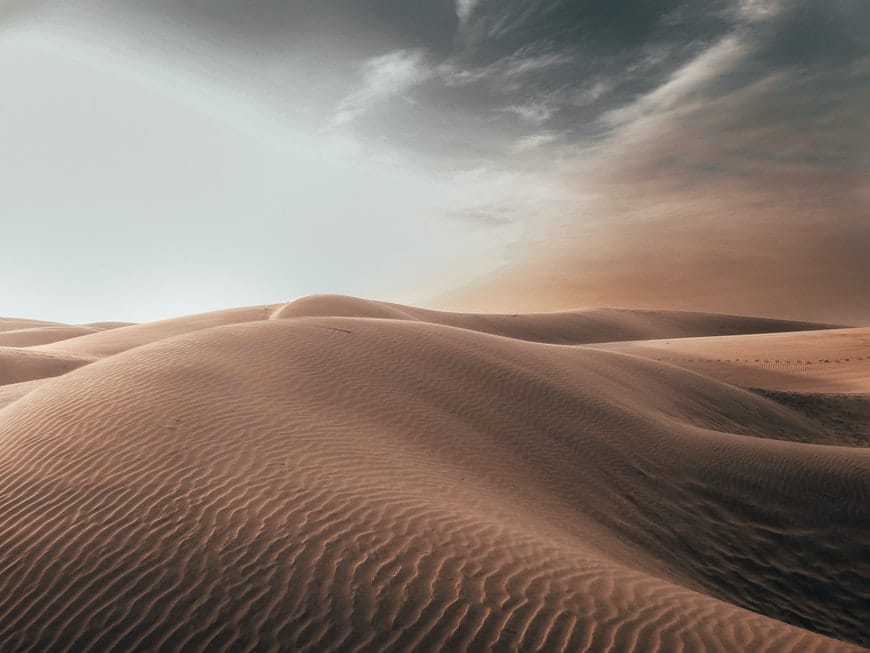
7. Capture Weather Phenomena
Deserts are known for their unique weather phenomena, such as sandstorms, heat mirages, or rare rain showers. Embrace these moments and use them to your advantage in your desert photography. Weather phenomena can add an element of drama and intrigue to your images. Capture the swirling sand during a sandstorm, the distorted reflections in a heat mirage, or the rare sight of raindrops on the arid desert terrain. These unique weather conditions can create captivating and extraordinary compositions that showcase the dynamic nature of the desert.
8. Experiment with Perspectives
To add a fresh and unique perspective to your desert photography, try experimenting with different angles and viewpoints. Get down low to the ground and capture the intricate patterns of the sand or look up towards the towering sand dunes to emphasize their grandeur. By exploring various perspectives, you can discover new and interesting ways to portray the desert landscape, allowing your photos to stand out from the crowd.
Frequently Asked Questions (FAQs)
Q1: What equipment do I need for desert photography? A1: For desert photography, it's recommended to have a sturdy tripod to keep your camera stable in sandy and windy conditions. Additionally, a wide-angle lens is ideal for capturing the expansive desert landscape. Don't forget to bring lens cleaning tools to remove dust and sand particles that may accumulate on your gear.
Q2: How can I protect my camera from the desert environment? A2: The desert environment can be harsh on camera equipment. To protect your gear, consider using a protective camera bag or wrap, which shields it from sand, dust, and extreme temperatures. It's also essential to keep spare batteries and memory cards in sealed bags to prevent any damage.
Q3: Is it safe to photograph in the desert alone? A3: While desert photography can be a solitary experience, it's advisable to inform someone about your plans and expected return time. Carry enough water, wear appropriate clothing, and be cautious of extreme temperatures. Familiarize yourself with the desert terrain and research any potential risks or hazards beforehand.
Q4: How can I capture the vastness of the desert in my photos? A4: To capture the vastness of the desert, incorporating elements of scale can be effective. Include human figures, vehicles, or architectural structures in your composition to provide a sense of proportion and emphasize the enormity of the desert landscape.
Q5: What camera settings are ideal for desert photography? A5: Shooting in aperture priority mode (A or Av) or manual mode allows you to have control over the depth of field. Opt for a smaller aperture (higher f-number) to ensure a larger depth of field and keep the entire scene in focus. Adjust your ISO to maintain a balance between capturing details and minimizing noise, and use spot metering to accurately expose for your subject.
Q6: How can I enhance the colors of the desert in post-processing? A6: During post-processing, you can enhance the colors of the desert by adjusting the white balance, increasing the vibrance or saturation, and fine-tuning the contrast. However, remember to maintain a natural look and avoid excessive editing that may result in an unrealistic portrayal of the desert.
In conclusion, Capturing the captivating beauty of the desert through photography requires a combination of technical skills, creativity, and a keen eye for detail. By focusing on the unique details, telling a compelling story, and taking advantage of the golden hours, you can elevate your desert photography to new heights. Experiment with different techniques, perspectives, and weather phenomena to add depth and intrigue to your images. Remember to protect your gear, embrace minimalism, and explore the vastness of the desert landscape. With these 8 desert photography tips in mind, you'll be well-equipped to embark on a thrilling photographic journey in the heart of the desert.