How To Use The Power Of Lines To Improve Your Landscape Photography
-
 Loading...
 - Liam Bakker
- 12 May 2023
- 73 Views
- 0 Like
- 0 Comment
As a landscape photographer, your goal is to capture the beauty of nature and the world around us. One of the key elements that can make or break a landscape photo is the use of lines. Lines can be used to lead the viewer's eye through the photo, creating a sense of depth and guiding them to the main focal point. In this article, we will explore how to use the power of lines to improve your landscape photography.
The Importance of Lines in Landscape Photography
Lines are an essential element of photography, and they play a crucial role in landscape photography. They can be used to create a sense of movement and flow in a photo, leading the viewer's eye through the frame. Lines can also be used to add depth to a photo, creating a three-dimensional effect that makes the image more interesting and engaging.
Types of Lines in Landscape Photography
There are many different types of lines that you can use in landscape photography, each with its own unique effect. Here are a few examples:
Horizontal Lines
Horizontal lines are often used to create a sense of calmness and stability in a photo. They can be used to convey a feeling of restfulness or tranquility, making them ideal for landscape photos that feature still water or serene landscapes.
Vertical Lines
Vertical lines can be used to create a sense of height and grandeur in a photo. They are often used in photos of tall trees or skyscrapers, where they can be used to emphasize the height of the subject.
Diagonal Lines
Diagonal lines are often used to create a sense of movement and energy in a photo. They can be used to convey a feeling of excitement or motion, making them ideal for landscape photos that feature fast-moving subjects like waterfalls or rushing rivers.
Curved Lines
Curved lines are often used to create a sense of flow and grace in a photo. They can be used to convey a feeling of elegance or beauty, making them ideal for landscape photos that feature sweeping curves and gentle slopes.
Now that we have a better understanding of the different types of lines in landscape photography, let's explore how to use them effectively to improve your photos.
1. Look for Natural Lines in the Landscape
When you're out in nature, take a close look at the landscape around you. Look for natural lines in the environment, such as the shape of the mountains, the curves of the hills, or the flow of the river. These natural lines can be used to create a sense of depth and movement in your photos.
2. Use Leading Lines to Guide the Viewer's Eye
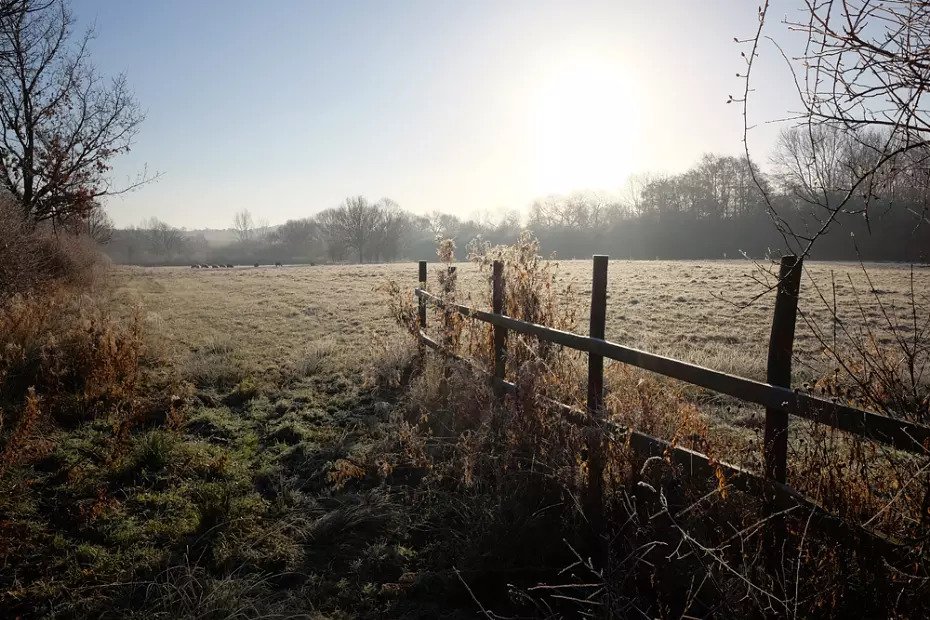
Leading lines are a powerful tool in landscape photography. They can be used to guide the viewer's eye through the photo, leading them to the main focal point. Look for natural lines in the landscape that lead towards your subject, such as a road, a fence, or a riverbank. Use these lines to create a sense of movement and draw the viewer's eye towards the subject.
3. Experiment with Different Types of Lines
Don't be afraid to experiment with different types of lines in your photos. Try using horizontal lines to create a sense of calmness, or diagonal lines to create a sense of motion. Mix and match different types of lines to create a unique and interesting photo.
4. Use Lines to Frame Your Subject
Lines can also be used to frame your subject and create a sense of focus. Look for natural lines in the landscape that can be used to frame your subject, such as a row of trees or a mountain ridge. Use these lines to draw the viewer's eye towards your subject and create a sense of depth.