8 Powerful Intense Exercises to Enhance Senior Brain Health
-
 Loading...
 - Radimir Sokolov
- 23 Jul 2024
- 69 Views
- 0 Like
- 0 Comment
As we age, maintaining brain health becomes increasingly important. Exercise is a powerful tool to keep both body and mind in peak condition. Here are eight intense exercises that can significantly enhance brain health for seniors, combining physical activity with mental stimulation.
1. Interval Walking
Interval walking involves alternating between periods of fast walking and slower walking or rest.
Benefits:
- Improves cardiovascular health, which enhances blood flow to the brain.
- Increases neuroplasticity, aiding cognitive function.
How to Do It:
- Warm up with 5 minutes of slow walking.
- Walk briskly for 2 minutes, then slow down for 1 minute.
- Repeat the cycle for 20-30 minutes.
2. Dance Classes
Dancing combines physical movement with the challenge of learning new steps and routines.
Benefits:
- Boosts memory and learning skills by requiring the recall of steps and sequences.
- Enhances coordination and balance, reducing fall risk.
How to Do It:
- Join a local dance class, such as salsa, ballroom, or line dancing.
- Practice regularly to learn and remember new routines.
3. Strength Training
Description:
Strength training involves lifting weights or using resistance bands to build muscle.
Benefits:
- Increases the release of growth factors that promote brain health.
- Enhances cognitive function and reduces the risk of dementia.
How to Do It:
- Start with light weights or resistance bands.
- Perform exercises like squats, bicep curls, and leg lifts.
- Aim for 2-3 sessions per week, with 10-15 repetitions of each exercise.
4. Tai Chi
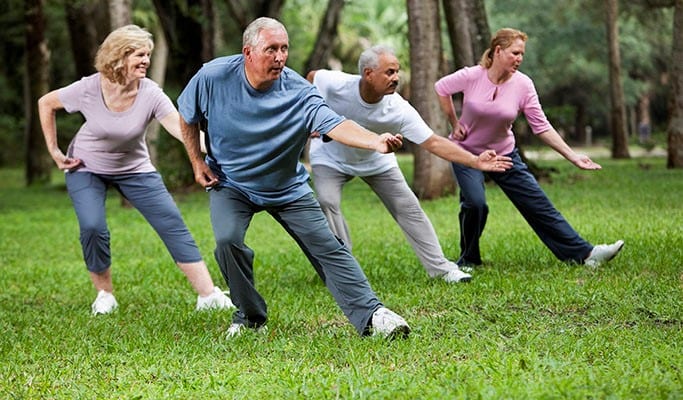
Tai Chi is a form of martial arts that focuses on slow, deliberate movements and deep breathing.
Benefits:
- Reduces stress and anxiety, which are detrimental to brain health.
- Improves balance and coordination, enhancing physical stability.
How to Do It:
- Join a Tai Chi class or follow online tutorials.
- Practice the slow, controlled movements daily for 20-30 minutes.
5. Cycling
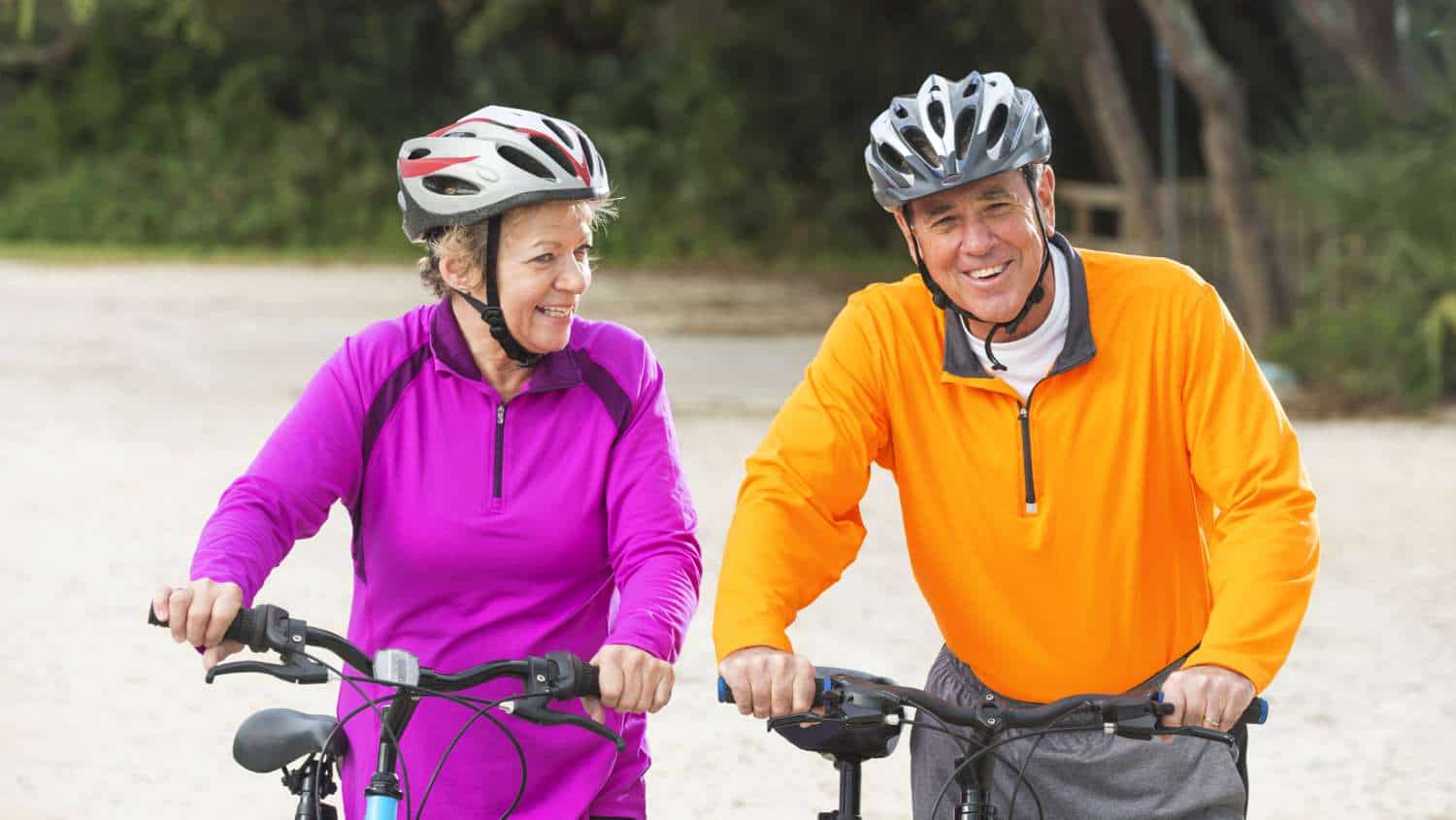
Cycling can be done outdoors or on a stationary bike and involves sustained aerobic exercise.
Benefits:
- Enhances cardiovascular health, increasing blood flow to the brain.
- Stimulates the release of endorphins, improving mood and cognitive function.
How to Do It:
- Start with short rides and gradually increase the duration.
- Aim for 30-60 minutes of cycling, 3-4 times a week.
6. High-Intensity Interval Training (HIIT)
HIIT involves short bursts of intense exercise followed by brief periods of rest or low-intensity activity.
Benefits:
- Boosts cardiovascular fitness and metabolic health.
- Increases brain-derived neurotrophic factor (BDNF), supporting brain function and growth.
How to Do It:
- Choose an exercise like jogging, cycling, or jumping jacks.
- Perform at high intensity for 30 seconds, then rest for 30 seconds.
- Repeat for 15-20 minutes.
7. Swimming
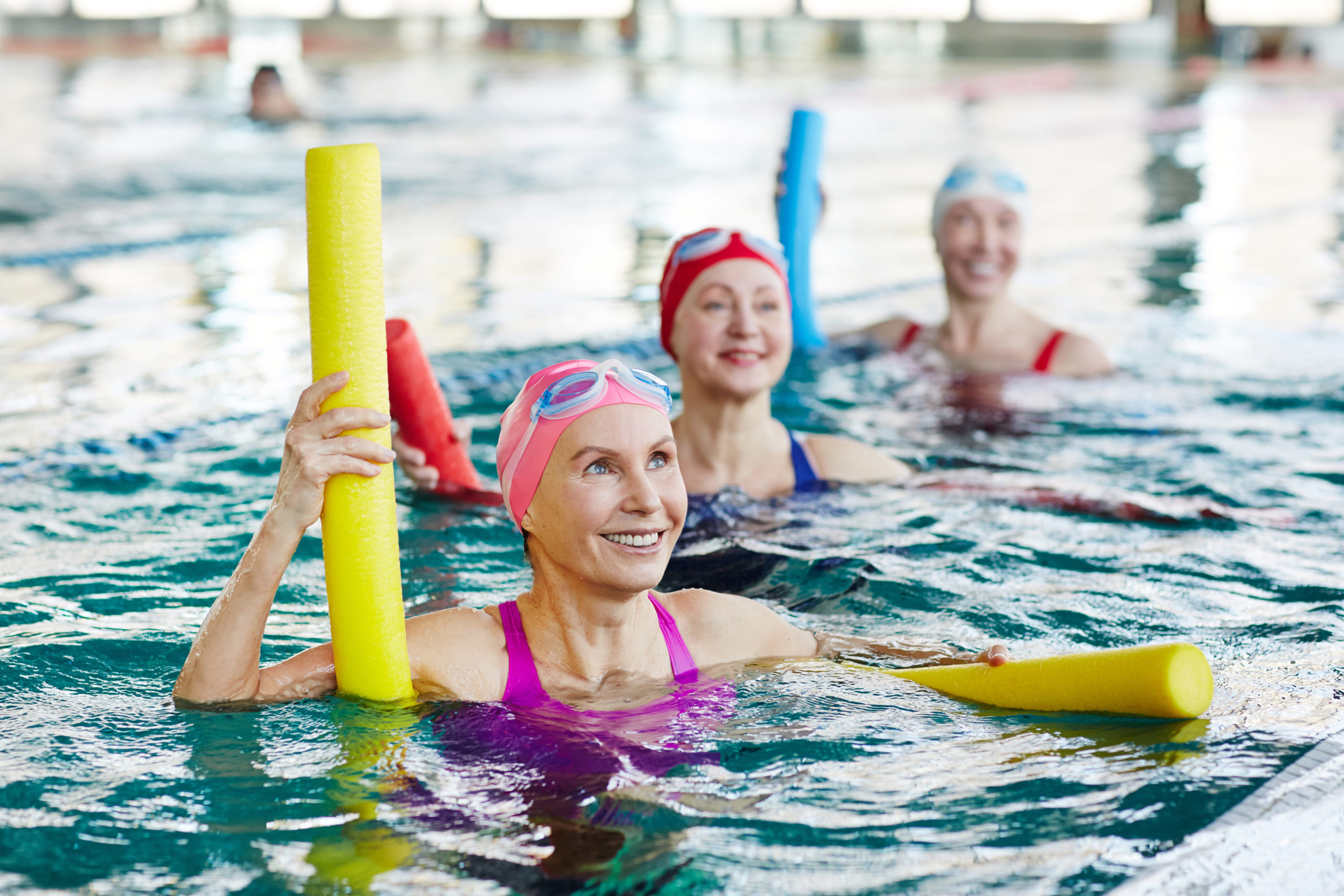
Swimming provides a full-body workout that is easy on the joints.
Benefits:
- Improves cardiovascular health and overall fitness.
- Reduces stress and promotes relaxation, benefiting brain health.
How to Do It:
- Swim laps in a pool, aiming for 20-30 minutes per session.
- Incorporate different strokes to engage various muscle groups.
8. Yoga
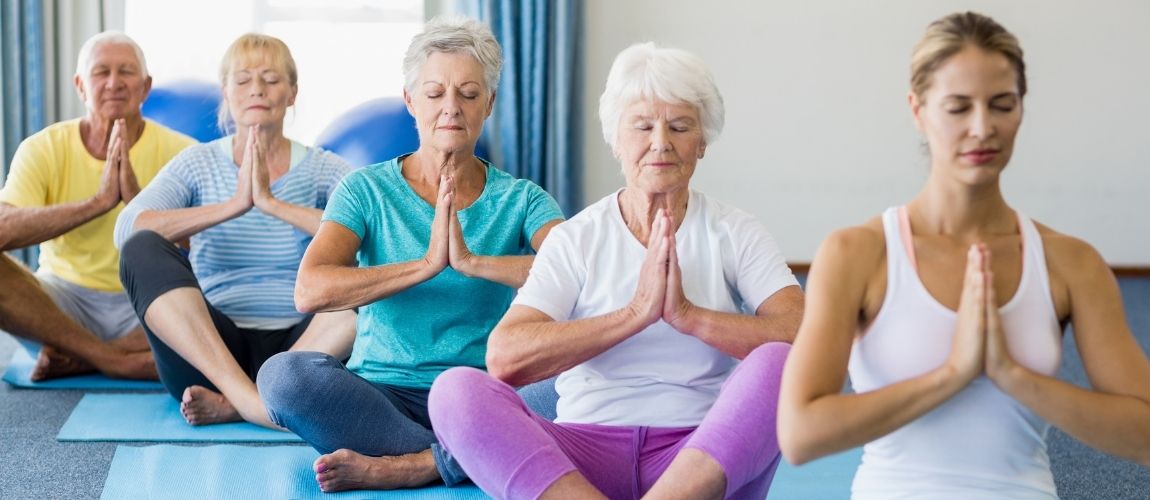
Yoga combines physical postures, breathing exercises, and meditation.
Benefits:
- Enhances mental clarity, focus, and relaxation.
- Reduces stress and anxiety, improving overall brain health.
How to Do It:
- Join a yoga class or practice with online videos.
- Focus on poses that enhance balance, flexibility, and strength.
- Practice for 20-30 minutes daily.
Engaging in these intense exercises can significantly enhance brain health for seniors. Incorporating a mix of aerobic, strength, balance, and flexibility exercises into your routine will not only improve physical health but also support cognitive function and emotional well-being. Always consult with a healthcare professional before starting any new exercise regimen to ensure it's safe and appropriate for your individual health needs.