Covid Summer Wave Hits Switzerland: A Rising Trend
-
 Loading...
 - Blair Hall
- 22 Jul 2024
- 73 Views
- 0 Like
- 0 Comment
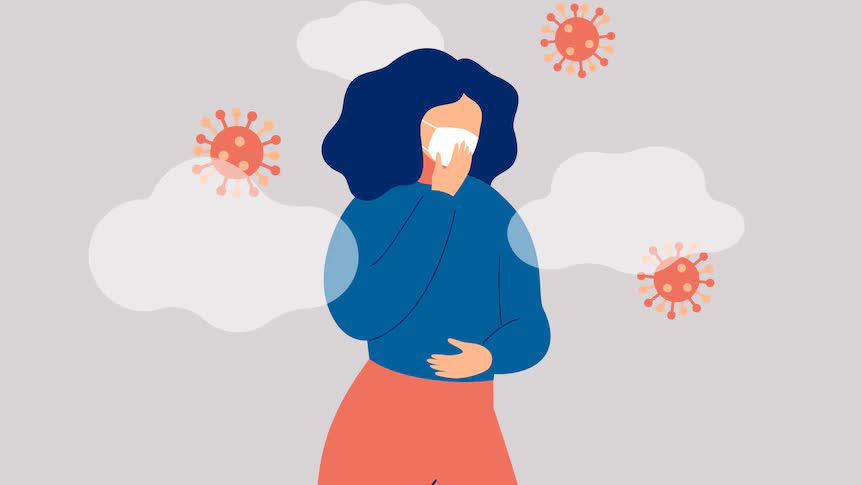
Despite the end of the pandemic, the coronavirus remains active, causing a rise in cases across various countries, including Switzerland. This resurgence, termed the "Covid summer wave," has led to a steady increase in infections both abroad and within Swiss borders.
Simon Ming, spokesperson for the Federal Office of Public Health (BAG), confirms the rise in Sars-CoV-2 infections in Switzerland. The current wave is primarily driven by two variants, KP.2 and KP.3, which are responsible for about 60-70% of infections. The previous dominant variant, JN.1, now accounts for the remaining 30-40% of cases. Remarkably, just a month ago, only four cases of KP.2 were recorded by the BAG, highlighting the rapid spread of these new variants.
Factors Behind the Surge
1. Waning Immunity:
Immunity acquired through previous infections diminishes over time, making individuals more susceptible to new variants.
2. New Virus Variants:
Variants KP.2 and KP.3 have mutations enabling them to evade the immune system more effectively. Emanuel Wyler, a molecular biologist from the Max Delbrück Center for Molecular Medicine in Berlin, notes that Sars-CoV-2 is adept at tricking our immune defenses. Even minimal changes in the virus can reduce the effectiveness of existing antibodies.
3. Major Events and Indoor Gatherings:
Events such as the European Football Championship and public viewings, where large numbers of people congregate, could contribute to the rise in cases.
Moderate weather conditions may also lead to more indoor gatherings, increasing the likelihood of virus transmission.
Zurich City Hospital reports a slight increase in Covid-19 cases. However, these patients are generally not severely ill. Most affected individuals have pre-existing conditions and/or are elderly, necessitating hospitalization in the context of their overall health status.
As Switzerland navigates through this summer wave of Covid-19, public health authorities and the healthcare system are closely monitoring the situation. The combination of waning immunity, the emergence of new variants, and increased indoor activities are key factors driving the rise in cases. While the severity of illness remains moderate, the situation underscores the need for continued vigilance and adaptive strategies to manage the ongoing presence of the virus.