A Brazilian Artist Movement That Uses Paintings to Save Indigenous Culture
-
 Loading...
 - Marc Blaise
- 08 Jan 2025
- 48 Views
- 0 Like
- 0 Comment
After their impactful presence at the Venice Biennale, members of MAHKU are now taking their social mission to Art Basel Miami, continuing their commitment to preserving Indigenous culture through art. The movement, which consists of Huni Kuin Indigenous artists, aims to retell their oral history and safeguard their cultural identity through vibrant paintings that depict sacred chants and myths.
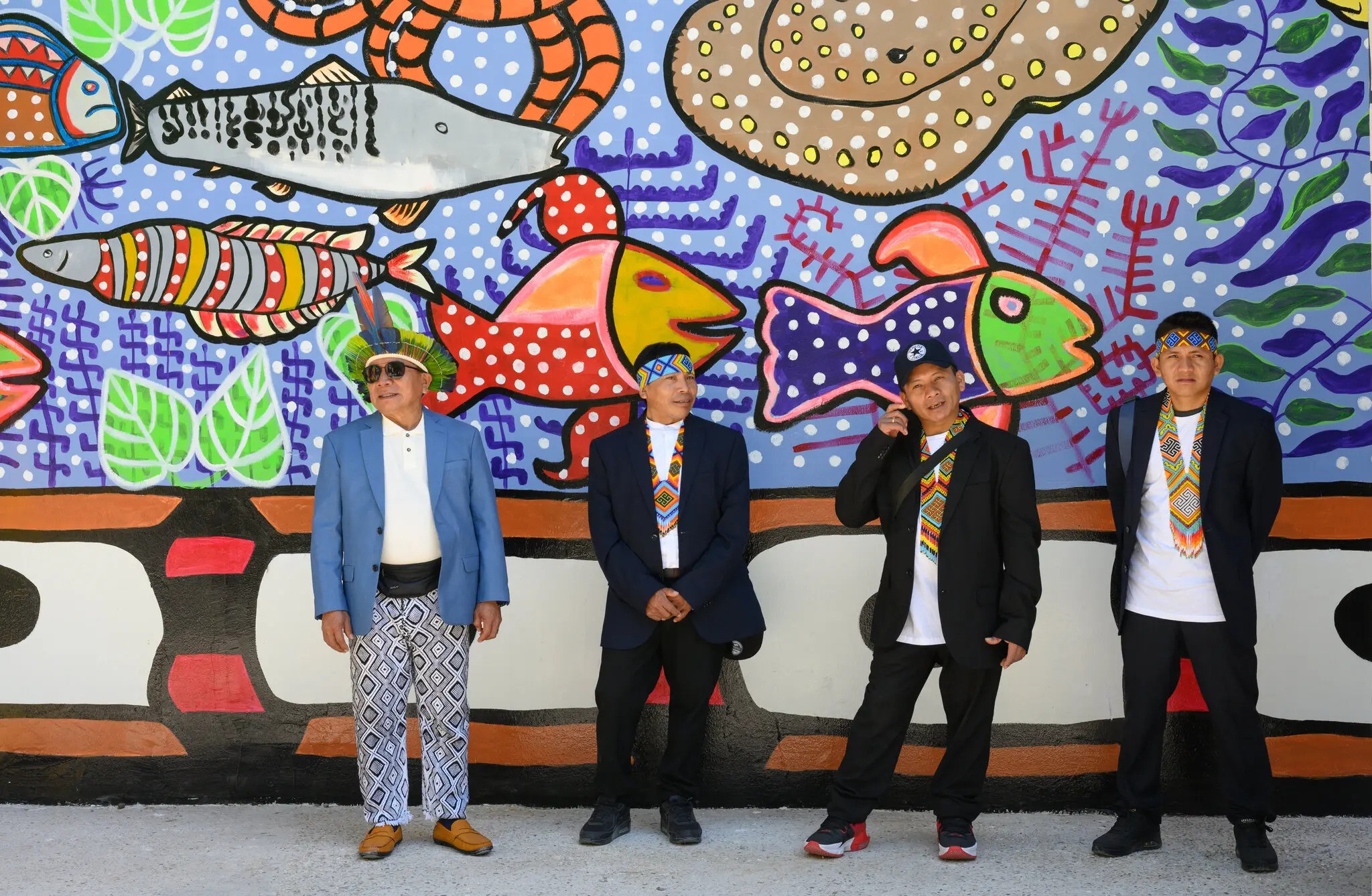
As Cleiber Bane, one of the artists, began to sing a centuries-old spiritual song called “The Light of Underwater Visions,” he looked at the colorful fish, crabs, and birds painted on the wooden slats of his home in the Brazilian Amazon. These images are not just decorative; they represent the stories and traditions that the Huni Kuin people hold dear. “It’s so we don’t forget,” Bane explained, emphasizing the importance of passing down their cultural heritage to future generations.
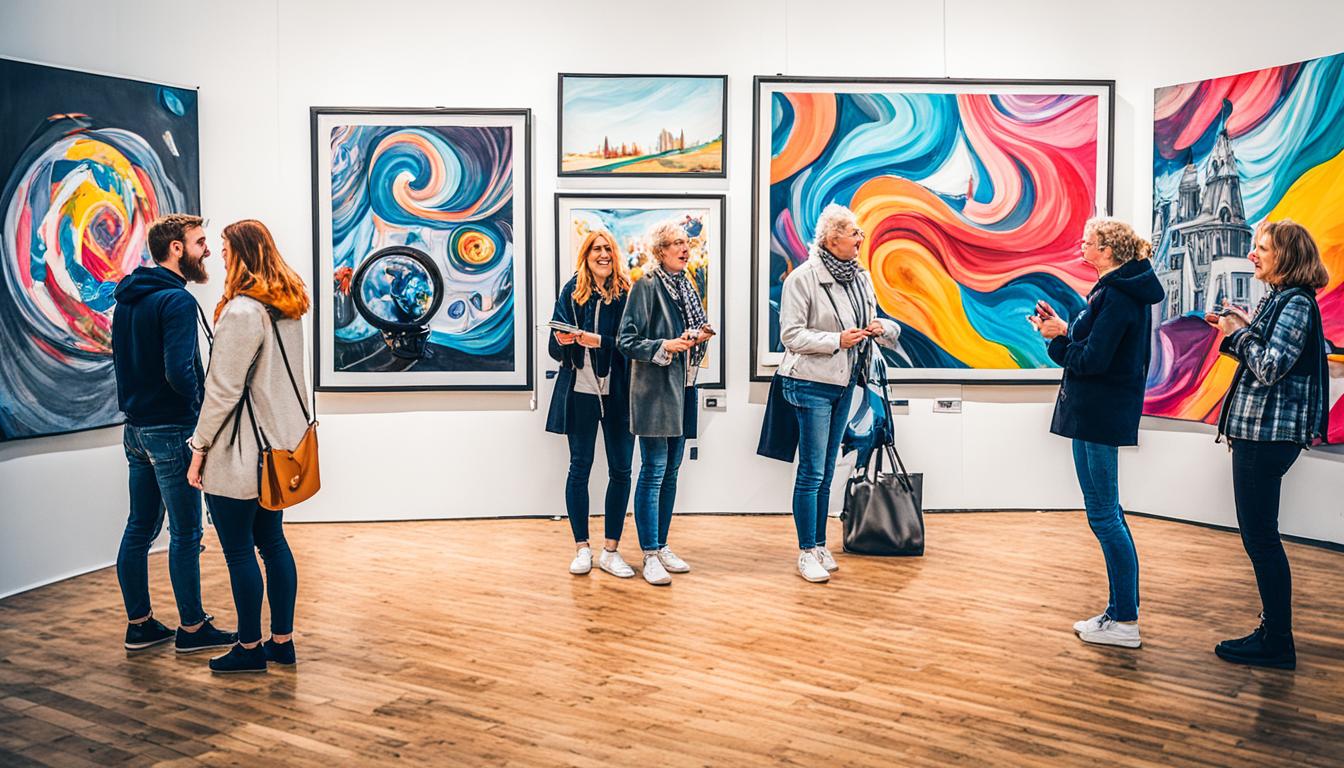
Founded by Bane’s father, Ibã Sales, MAHKU (Movimento dos Artistas Huni Kuin) has emerged as a significant force in contemporary Indigenous art in Brazil over the past decade. The group has showcased their work at prestigious venues, including the São Paulo Museum of Art and the 2023 São Paulo Biennale, and has expanded internationally, exhibiting at the Fondation Cartier in Paris and now at Art Basel Miami Beach.
MAHKU’s mission extends beyond creating art; it embodies a powerful slogan: “Sell paintings, buy land.” The Huni Kuin people, who inhabit the border region between Brazil and Peru, have faced a long history of exploitation, particularly from the rubber industry, which began encroaching on their lands in the 19th century. This history of violence and displacement has fueled their desire to reclaim their territory and reconnect with their cultural roots.
The artists of MAHKU are not just creating for the sake of art; they are actively working to protect their land and culture. “We want to show that our culture is strong. We want to defend the forest,” said Yanomami artist Ehuana Yaira. Through their art, they seek support to preserve their environment, which is under threat from various extractive industries.
Ibã Sales, who began his journey of reconnection with Huni Kuin traditions, recognized the importance of preserving their sacred chants. After documenting 155 chants from his father, he realized that the depth of their meaning could not be captured in writing alone. This realization led to the first drawing workshop in 2011, where Bane and other young artists began to explore their cultural heritage through art.
The first painting sold in 2014 allowed MAHKU to purchase land adjacent to their village, with plans to build a cultural center that would house their artwork and serve as a hub for community activities. Since then, they have acquired nearly 26 acres of land, providing homes and resources for Huni Kuin families in need.
The concept of selling art to buy land reflects a solidarity economy that is central to MAHKU’s mission. Naine Terena, a curator and educator, highlighted that this approach challenges the narrative that Indigenous people are unproductive. By investing in their community and supporting local economies, MAHKU demonstrates the potential for Indigenous art to contribute meaningfully to Brazil’s economy.
Despite the challenges posed by ongoing environmental destruction and social inequality, MAHKU’s efforts represent a vital step toward changing perceptions of Indigenous people. Bane emphasized the importance of helping those in need within their community: “It’s not about me earning money to buy things for myself. If we can help some of them get out of that with our art, why wouldn’t we?”
As MAHKU continues to showcase their work on international stages, they are not only preserving their cultural heritage but also advocating for the protection of their land and the rights of Indigenous peoples. Through their vibrant paintings and powerful narratives, they are carving out a space for Indigenous voices in the contemporary art world, ensuring that their stories and traditions endure for generations to come.