Nigeria’s Untapped Potential for Wealth Creation in the Arts
-
 Loading...
 - David Ekwobi
- 14 Jan 2025
- 53 Views
- 0 Like
- 0 Comment
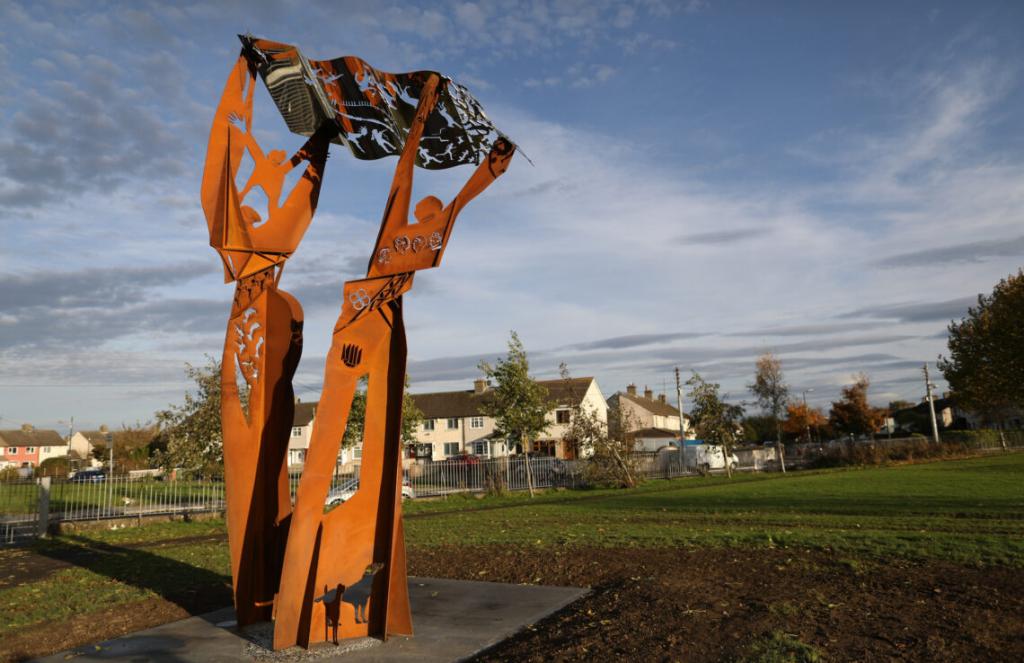
Animu Oboirien, a prominent sculptor, has called on the Federal Government of Nigeria to recognize and invest in the immense potential of the country’s creative economy, particularly in the realm of visual arts. In a recent interview with the News Agency of Nigeria (NAN) in Lagos, Oboirien emphasized the need for well-informed policies and strategic investments to elevate the art industry, which he believes can significantly contribute to the nation’s wealth.
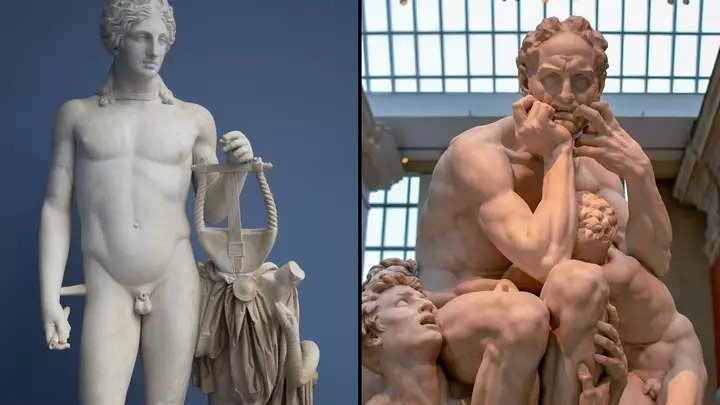
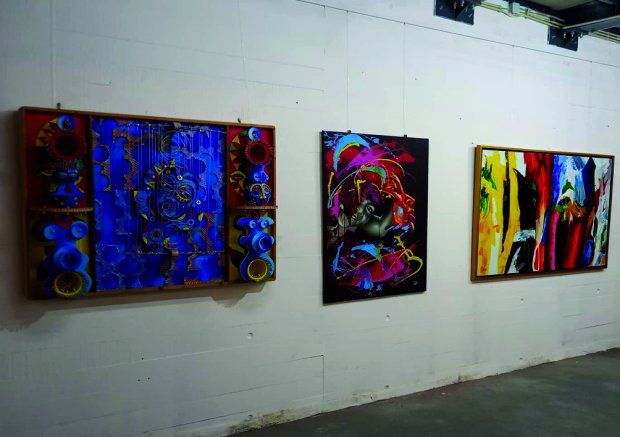
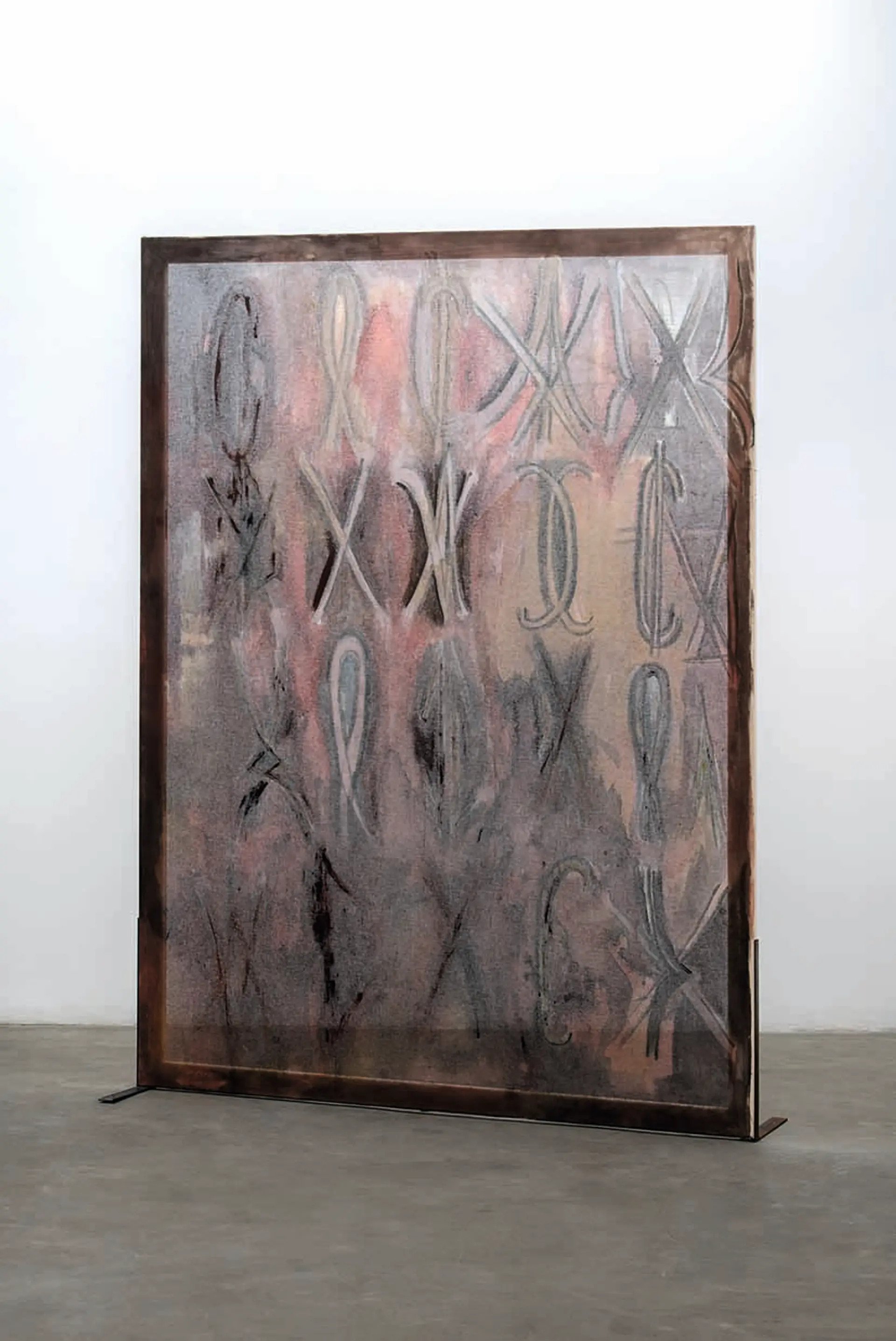
Oboirien noted that the art scene in Nigeria has seen considerable improvement, with an increasing number of people appreciating and investing in art. He pointed out that the global appreciation for visual art, especially in countries like the United States, has led to substantial investments in paintings and sculptures. Despite this, Nigeria has yet to fully recognize the economic relevance of these art forms, which have proven capabilities to generate significant wealth.
“The government still does not see this industry as a thriving industry, so they divert attention to areas where they think the money is,” Oboirien stated. “But they don’t know that the creative industry is where the money is.” He stressed the importance of having knowledgeable individuals in government who can make informed decisions that positively impact the creative sector.
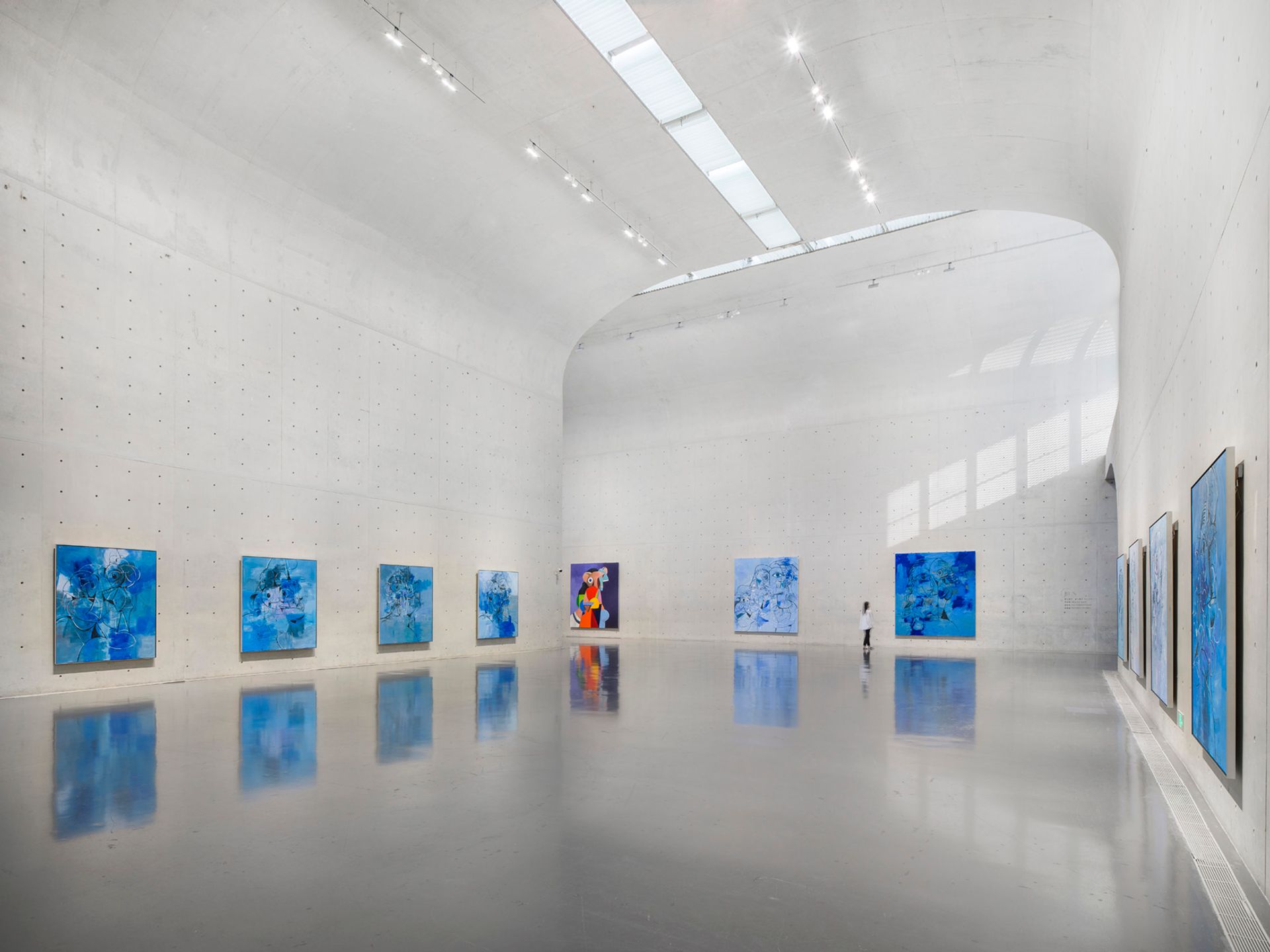
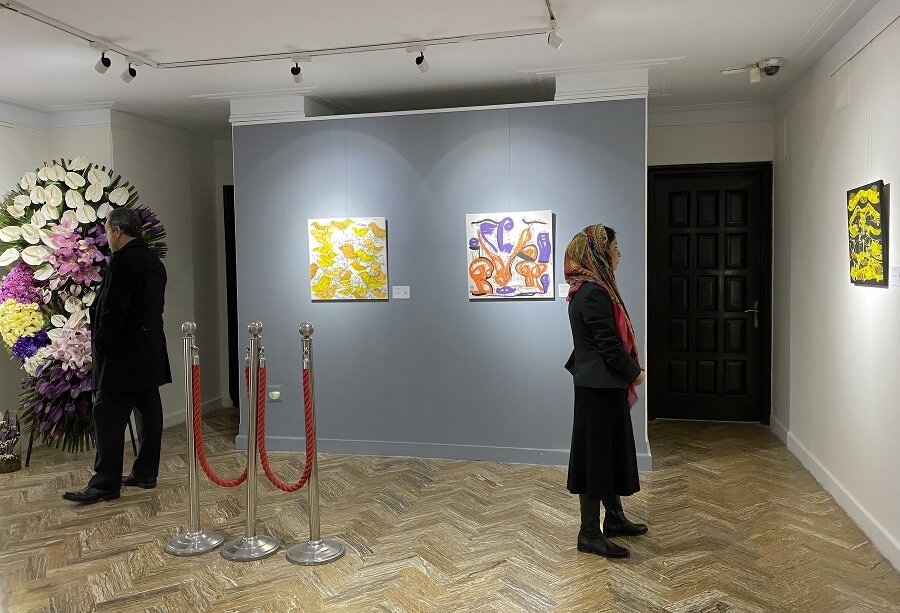
Oboirien believes that with proper investments in infrastructure, such as world-class museums and galleries, Nigeria could position itself as a global hub for visual art. “If you have the facility and the product, all you need to do is put these things in place and let the world know about it,” he explained. He also highlighted the importance of fixing the prices of art products to attract interested patrons.
In addition to infrastructure, Oboirien emphasized the need for strategic marketing within the art industry. He pointed out that while there has been a significant focus on intangible forms of art, such as dance and music, visual art—encompassing paintings and sculptures—holds greater potential for economic impact due to its tangibility and lasting value.
“It is not just about talent; it’s about understanding how to present and sell your skills,” Oboirien remarked. He believes that this understanding is key to unlocking the potential of Nigeria’s creative economy. By shifting focus to visual arts, the country can harness the economic benefits that come with it.
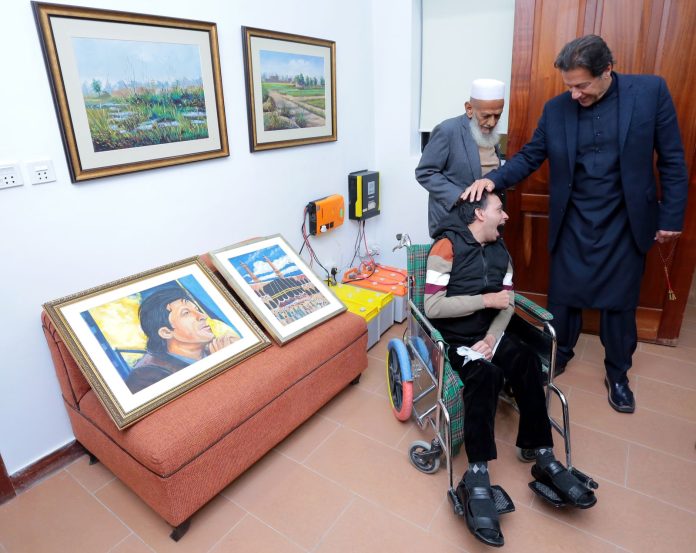
However, Oboirien also acknowledged the challenges faced by artists in the industry, including the high cost of materials and power. He urged artists to adapt to these challenges, remain consistent, and stay true to their artistic identity. “As an artist, you don’t have to jump from one aspect of art to another because what makes people relevant most times is that particular thing they are known for,” he advised.
Oboirien’s insights shed light on the untapped potential of Nigeria’s creative economy, particularly in visual arts. With the right investments, policies, and marketing strategies, the country can transform its art scene into a thriving industry that not only enriches the cultural landscape but also contributes significantly to wealth creation. By recognizing the value of visual arts and supporting artists, Nigeria can unlock a new avenue for economic growth and global recognition.