A Deeply African Airline Connecting the World
-
 Loading...
 - Maaike Simpson
- 18 Oct 2024
- 50 Views
- 0 Like
- 0 Comment
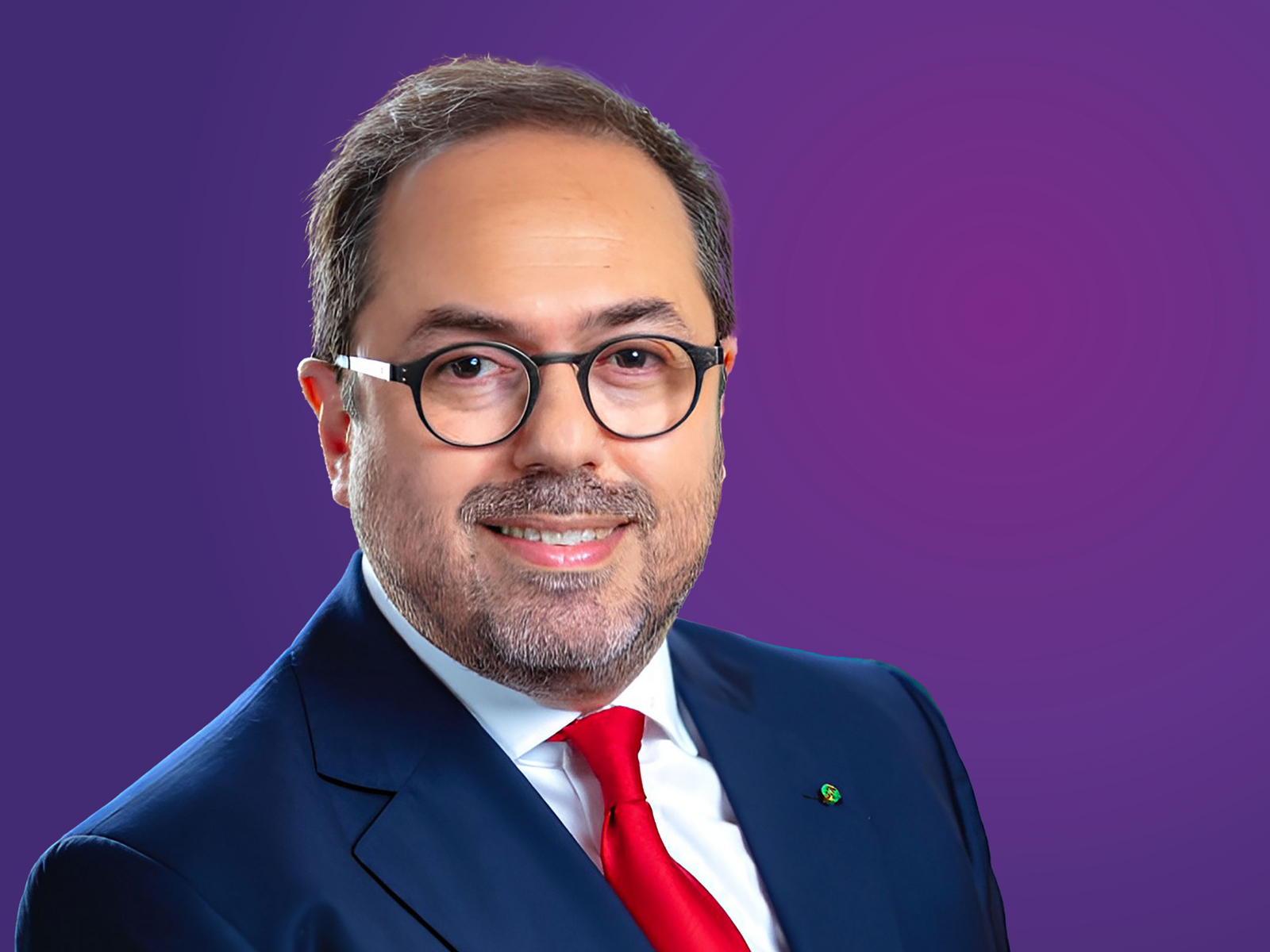
Abdelhamid Addou, Chairman of the Board and CEO of Royal Air Maroc (RAM), envisions the airline as a pivotal player in the development of African aviation. With a strategic focus that aligns with the broader vision of His Majesty King Mohammed VI, RAM aims to enhance connectivity across the continent and beyond.
Addou emphasizes that the upcoming World Cup is just one aspect of RAM's strategy, which is part of a larger framework for Morocco's growth. He anticipates a significant increase in activity leading up to the event, necessitating thorough preparations from the airline and airports to handle the expected surge in traffic. RAM plans to double its fleet by 2030 and quadruple it by 2037, capitalizing on strong double-digit growth and an anticipated doubling of overall passenger numbers for Morocco by 2030.
The airline's strategy is informed by market studies that reveal a gap in north-south air travel to Europe and westward to the Americas. Key factors driving this decision include Morocco's Open Skies agreements with the EU and the US, its strategic geographical location, and the need to serve the Moroccan and African diasporas. Addou highlights the importance of a new terminal at Casablanca’s Mohammed V International Airport, set to open in 2029, which will significantly enhance the airport's capacity to accommodate 30 million passengers annually.
RAM positions itself as a deeply African airline, reflecting its cultural roots and commitment to connecting and developing the continent. Addou stresses the need for African governments to simplify aviation and visa regulations to reduce travel barriers and costs. He points out that landing fees at African airports are often higher than those in Europe, which hampers the growth of the aviation sector. By creating a supportive economic framework, African governments can facilitate better connectivity, ultimately benefiting their economies.
Being part of the Oneworld alliance is crucial for RAM, allowing the airline to expand its reach and enhance competitiveness on the global stage. Addou notes that partnerships with other airlines, such as Qantas, enable RAM to offer routes it does not operate directly, making the airline more agile and capable of meeting diverse passenger needs.
Addou acknowledges current challenges in the aviation industry, including supply chain issues for aircraft parts and geopolitical tensions that can affect operations. However, he remains optimistic about overcoming these hurdles through diversification and strategic planning. RAM is focused on maintaining safety and security while navigating these complexities.
Sustainability is a core priority for RAM, aligning with Morocco's ambitions to become a leader in green hydrogen production. The airline is leveraging artificial intelligence to optimize flight planning, resulting in a 20% reduction in fuel consumption and emissions. Addou supports the International Air Transport Association's (IATA) commitment to achieving carbon neutrality by 2050 and outlines three main paths to reach this goal: offsetting emissions, technological breakthroughs, and the use of sustainable aviation fuel (SAF).
While acknowledging the current limitations in SAF production, Addou emphasizes RAM's proactive approach in encouraging the development of an industrial ecosystem in Morocco for SAF production from green hydrogen. The airline has already made strides in sustainability, being the first African airline to operate a flight using SAF, which significantly reduced CO2 emissions.
Royal Air Maroc is poised to play a transformative role in African aviation, driven by a commitment to connectivity, sustainability, and strategic growth. Under Addou's leadership, the airline is not only focused on expanding its operations but also on fostering a collaborative environment that supports the broader goals of the African continent. As RAM continues to navigate challenges and seize opportunities, it remains dedicated to its mission of connecting Africa to the world.