A ‘Distinctly Human’ Trait That Might Actually Be Universal
-
 Loading...
 - Fusae Endo
- 13 Feb 2023
- 64 Views
- 0 Like
- 0 Comment
Disgust is surprisingly common across nature
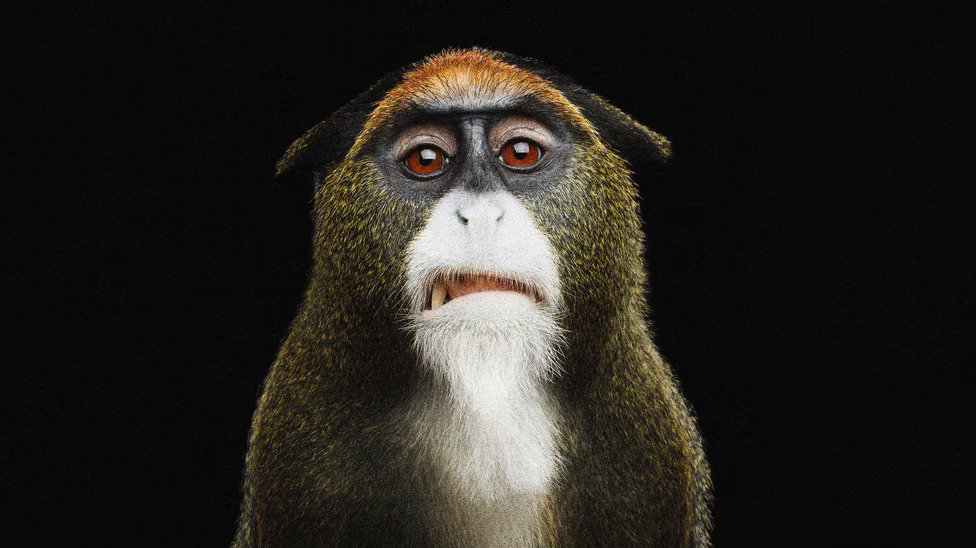
Eleven years ago, on the remote Japanese island of Kojima, a female macaque walked backwards into a stray heap of primate poop, glanced down at her foot, and completely flipped her lid. The monkey hightailed it down the shoreline on three feet, kicking up sand as she sprinted, until she reached a dead tree, where “she repeatedly rubbed her foot and smelled it until all of the sticky matter disappeared,” says Cécile Sarabian, a cognitive ecologist at the University of Hong Kong, who watched the incident unfold. Sarabian, then a graduate student studying parasite transmission among primates, was entranced by the familiarity of it all: the dismay, the revulsion, the frenetic desire for clean. It’s exactly what she or any other human might have done, had they accidentally stepped in it.
In the years following the event, Sarabian came to recognize the macaque’s panicked reaction as a form of disgust—just not the sort that many people first think of when the term comes to mind. Disgust has for decades been billed as a self-awareness of one’s own aversions, a primal emotion that’s so exclusive to people that, as some have argued, it may help define humanity itself. Read More…