The Need For Better Protection Of Malaysia’s Forests
-
 Loading...
 - Minato Fuji
- 13 Feb 2023
- 69 Views
- 0 Like
- 0 Comment
Learning from past experience, the government moves to fortify existing legislation to prevent exploitation and destruction of rainforests.
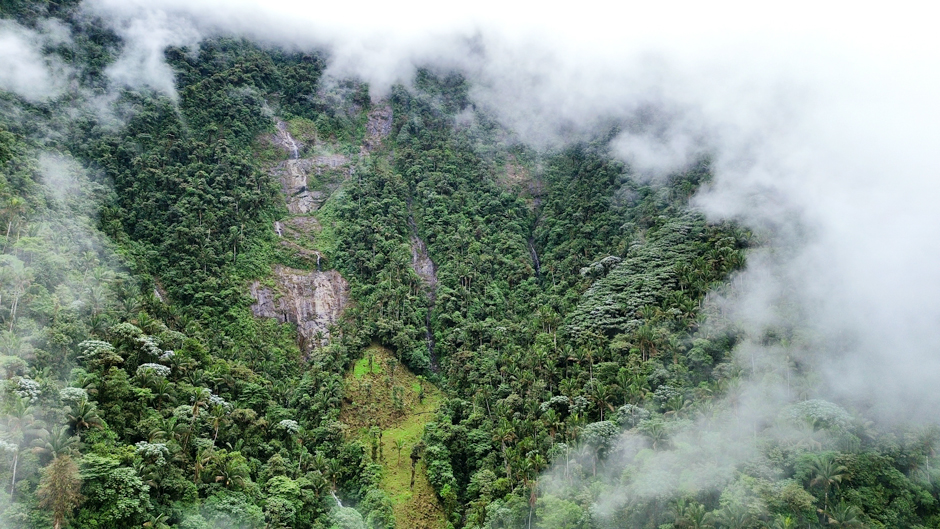
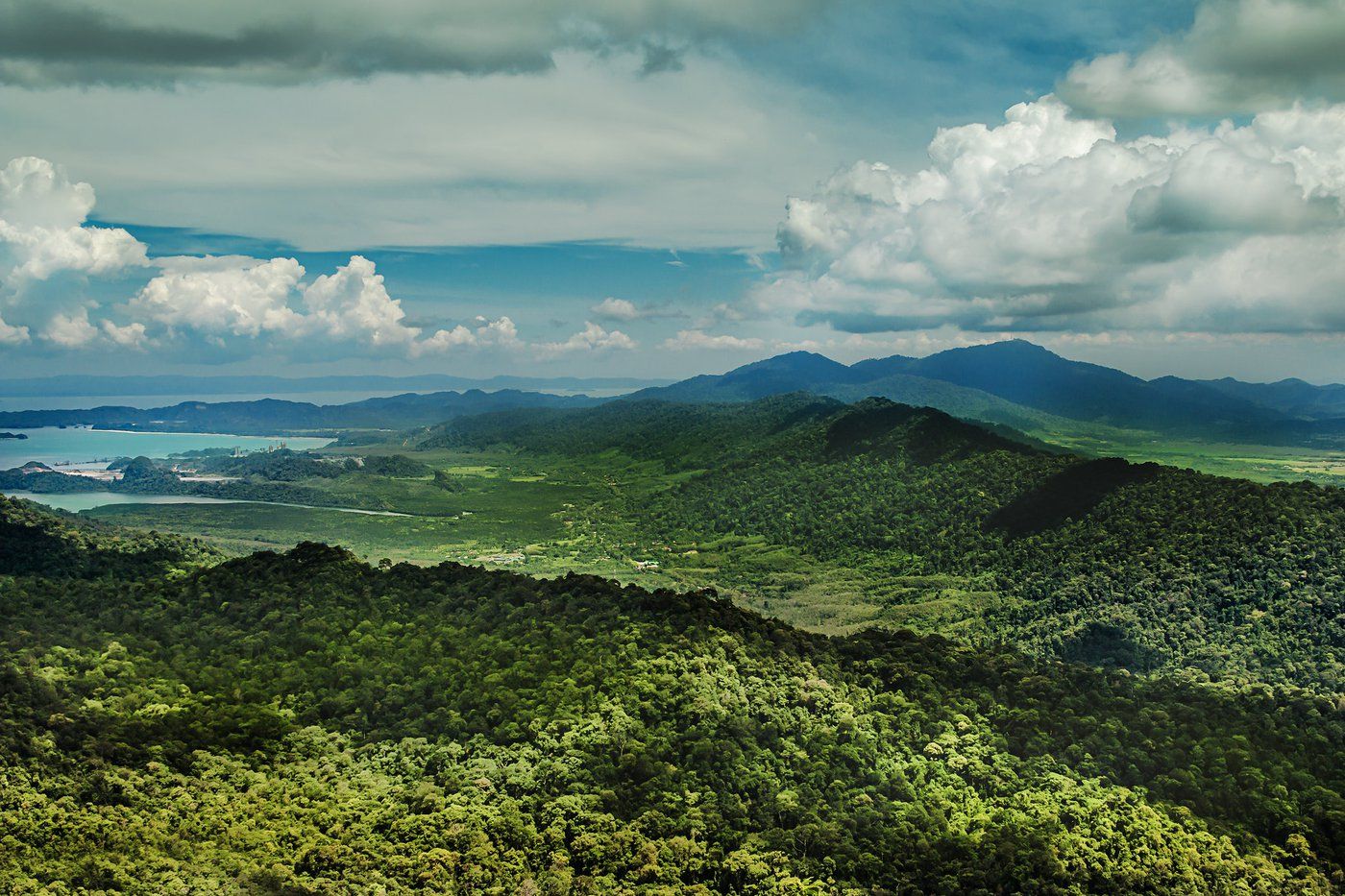
Malaysia’s vast forests and their biodiversity serve vital and irreplaceable environmental functions. Long-term protection is particularly relevant to the rainforests which are part of the Sundaland forest cover, one of the largest in the world.
Malaysian forests have been cleared to develop the nation’s economy. From 2002 to 2021, Malaysia lost 2.77 million hectares of humid primary forest, making up 33 per cent of its total tree cover loss in the same time period.
Effective legislation is key to guarding against illegal logging and deforestation, loss of wildlife and biodiversity, uncontrolled land-use changes and mixed development all of which eventually destroy the forest ecosystem.
But with the increase in global awareness of environmental protection, this trend has shifted with forests now serving a protective rather than a productive function.
For years forest management, now under the Ministry of Natural Resources, Environment and Climate Change, has been shunted between various ministries such as the Ministry of Energy and Natural Resources, the Ministry of Natural Resources and Environment, the Ministry of Primary Industries or the Ministry of Plantation Industries and Commodities.
The move to protect forests and biodiversity began with the Third Malaysia Plan (1976-1980). The Fifth Malaysia Plan (1986-1990) introduced more measures to control forest disturbances and loss.
These included establishing a system for national parks, nature reserves, wildlife sanctuaries and virgin jungles, adopting preventive approaches via environmental impact assessment reports and climate change mitigation measures.
Forests are now recognised as carbon sinks, which dovetails with the national green growth initiative.
The 12fth Malaysia Plan (2021-2025) outlines the mainstreaming of the United Nations’ Sustainable Development Goal 15 in respect of forest management practices. The REDD Plus strategy employed by the ministry is one example of this.
But protection of forests in Malaysia is still fragmented because of various legislation employed for different categories and the fact these categories come under the care of different government agencies.
Forest reserves in Peninsular Malaysia are governed by the National Forestry Act 1984 with enforcement by the Forestry Department of Peninsular Malaysia and the various state forestry departments. Read More…