Wildlife Trafficking in Mozambique: A Threat to Conservation Efforts
-
 Loading...
 - Ashanti Quaye
- 13 Sep 2024
- 46 Views
- 0 Like
- 0 Comment
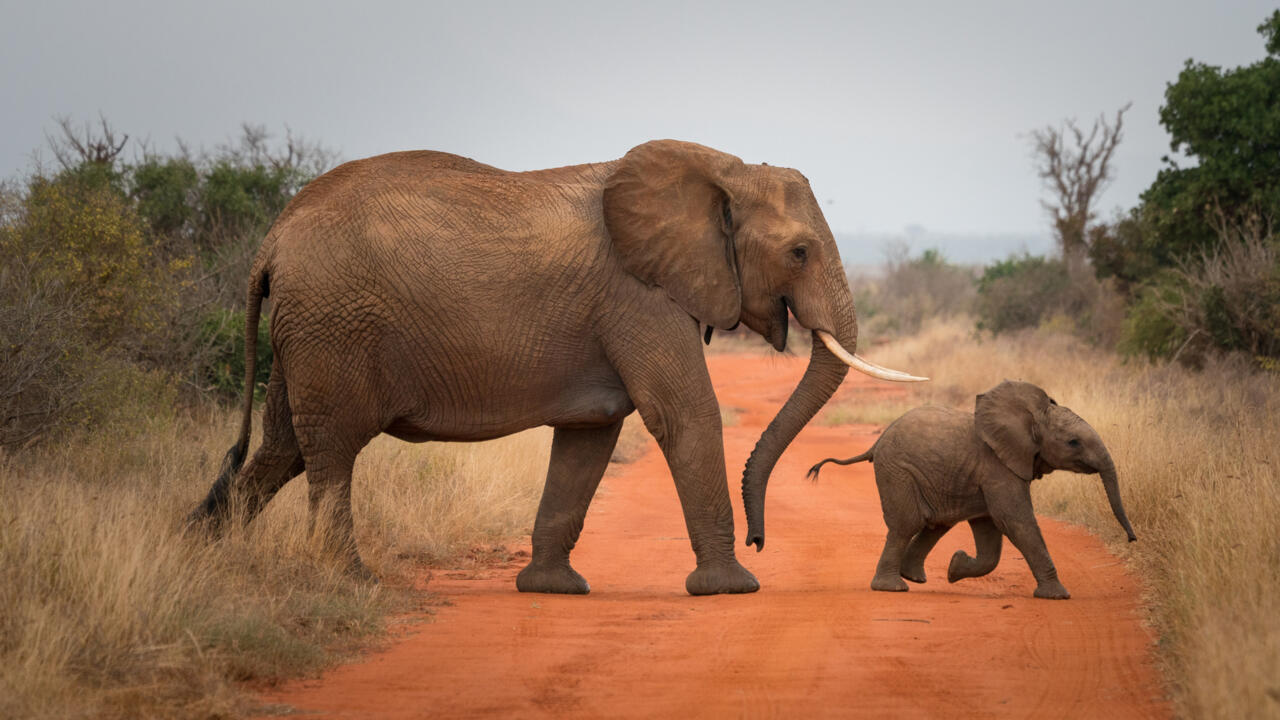
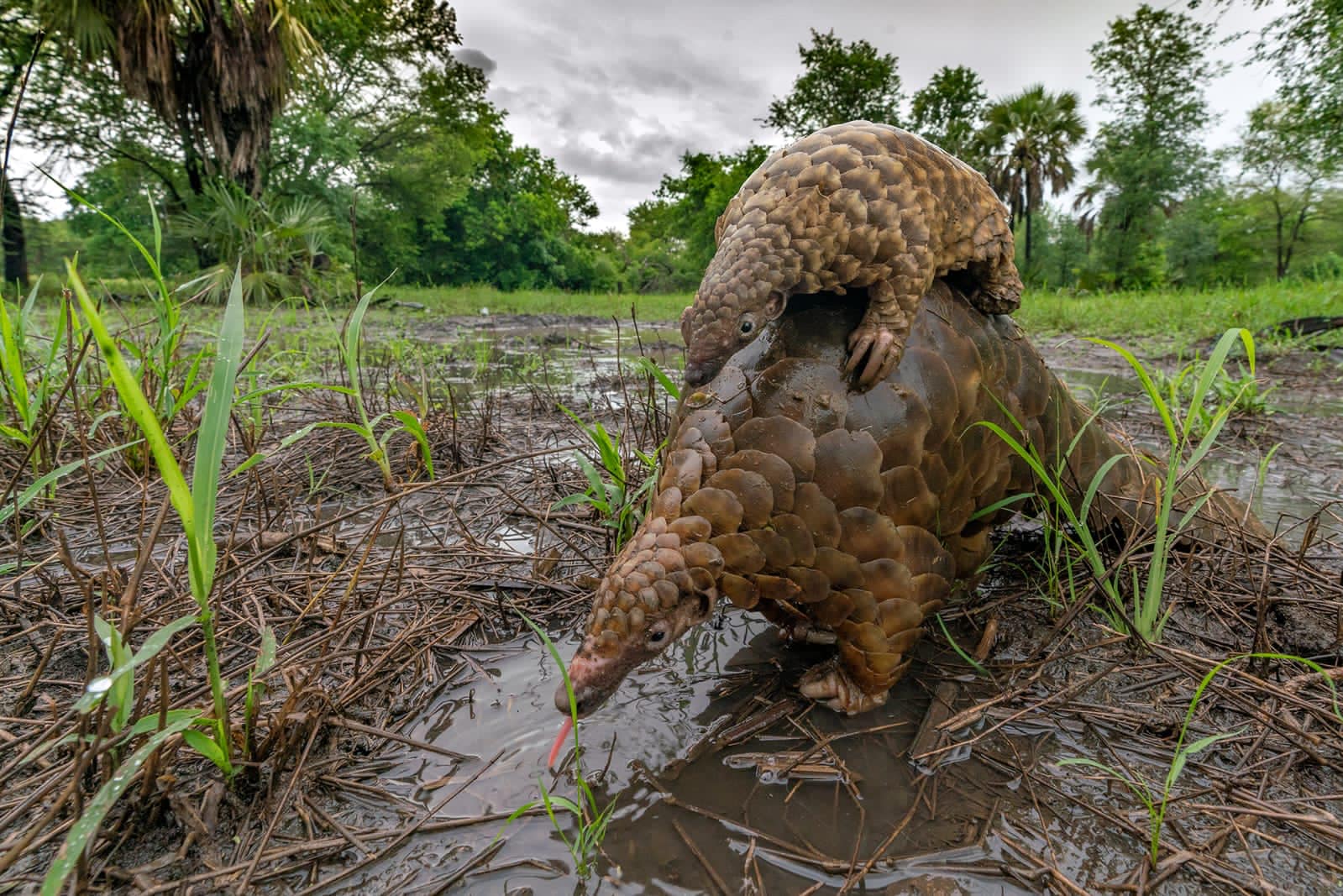
Mozambique, with its vast natural conservation areas, is facing a significant challenge in combating wildlife trafficking. Despite the country's commitment to conservation, the illegal trade in protected species continues to thrive, driven by high demand and lucrative profits. The trafficking of pangolins, lions, elephants, and rhinos is particularly alarming, with Mozambique being a major supplier of illicit ivory and rhino horn to Asia.
Wildlife crime is often perceived as a "victimless" crime, but it has far-reaching consequences, including the destruction of ecosystems, desertification, and the reduction and elimination of species. Moreover, it affects people's livelihoods, national security, and development. The trafficking of pangolins, for example, has led to an alarming decline in this species in Mozambique.
Encouragingly, authorities in Mozambique have made progress in combating wildlife trafficking. Frequent arrests of pangolin traffickers have deterred poaching and contributed to the elimination of domestic trafficking in these products. The establishment of a canine unit at the international airport of Maputo has also been effective in reducing wildlife trafficking.
The United Nations Office on Drugs and Crime (UNODC) has been providing technical assistance to Mozambique to strengthen its criminal justice system to tackle wildlife crime. The development of a Benchbook for investigators, prosecutors, and judges on wildlife trafficking and the Wildlife Crime Investigation and Prosecution Manual have been key tools in this effort. UNODC is also providing training for judges, conservation officials, and prosecutors, as well as facilitating cooperation between wildlife protection counterparts in countries along the main wildlife trafficking routes affecting Mozambique.