Rescuing Reds: A Tale of Squirrel Conservation in the UK
-
 Loading...
 - Isis Jamal
- 26 Aug 2024
- 47 Views
- 0 Like
- 0 Comment
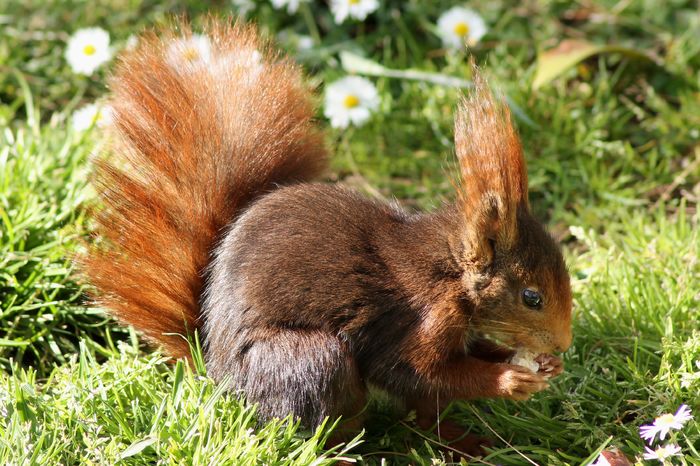
Despite being classified as a species of least concern on the IUCN Red List, the UK continues to invest significant resources into the conservation of the Eurasian red squirrel, Sciurus vulgaris. The extent of this investment is highlighted by the £1.2 million allocated to Save Our Squirrels UK for a three-year conservation effort in 2007. With numerous independent red squirrel charities operating across the country, the total budget for saving this species is likely substantial. The commitment to red squirrel conservation persists, as evidenced by The England Red Squirrel Action Plan (ERSAP) 2023-2028, launched on January 21, 2023, coinciding with Red Squirrel Appreciation Day.
While red squirrels have stable populations in other parts of Europe, the UK's conservation efforts are driven by the undeniable decline of red squirrels within the nation—a decline largely attributed to human actions. The trouble began in 1876 when grey squirrels were first introduced to the UK as ornamental pets by a banker in Henbury Park, Cheshire. Although the decision was made without malicious intent, the introduction of grey squirrels has had devastating ecological consequences.
Grey squirrels carry the squirrel pox virus, to which red squirrels have no immunity. While grey squirrels remain asymptomatic, red squirrels infected with the virus typically suffer severe symptoms, including lethargy, swelling, and ulcers, often leading to death. Beyond carrying this deadly virus, grey squirrels also outcompete reds for food and other resources and live in higher population densities, making them a more reproductively successful species.
The Scottish Wildlife Trust and other conservation charities argue that the replacement of red squirrels by greys should be resisted, citing socio-economic, cultural, and ecological reasons. However, these arguments warrant critical examination.
- Socio-economic Benefits: Conservationists point to the economic benefits of wildlife tourism in Scotland, which generates £138 million annually. However, there is little evidence that red squirrels significantly contribute to this figure. A simple search of top wildlife tours in Scotland reveals that red squirrels are rarely highlighted, with tours focusing instead on birds, deer, pine martens, and marine life.
- Cultural Importance: The cultural significance of red squirrels is also debatable. While Beatrix Potter's Squirrel Nutkin may hold a place in British hearts, and some coats of arms feature squirrels to symbolize industriousness, red squirrels do not carry the symbolic weight of creatures like lions or unicorns in British culture.
- Ecological Impact: While red and grey squirrels are similar, the higher density of grey populations means that harmful behaviors, such as bark stripping, are more pronounced in areas with greys. This behavior, which makes trees more vulnerable to diseases, is not well understood in either species, and comparative studies are lacking. Nonetheless, grey squirrels are not as ecologically harmful as commonly believed, and red squirrel populations have already become locally extinct in many parts of the UK without catastrophic ecological consequences.
Given the substantial resources currently directed toward red squirrel conservation, it is worth considering whether these funds might be better spent on other conservation efforts. Many other species, crucial to maintaining biodiversity, lack simple ecological replacements. The UK also faces challenges related to the reintroduction of apex predators like wolves, a topic requiring extensive research and legislation. Alternatively, investing in research on non-chemical pest control and crop fertilization could help protect the country's dwindling insect populations.
In conclusion, while the conservation of red squirrels may hold some ecological merit, it is essential to weigh this against the broader needs of biodiversity and consider where our conservation efforts and resources can have the most significant impact. Let's not get too "nutty" about squirrels, but rather take a balanced approach to conservation.