‘Kneeling Oak’ in Romania’s Danube Delta to Receive Natural Monument Status
-
 Loading...
 - Murray Barnes
- 05 Nov 2024
- 36 Views
- 0 Like
- 0 Comment
To protect Romania's natural heritage, the Ministry of Environment has announced that the unique Kneeling Oak, a 400-year-old oak tree located in the Caraorman Forest of the Danube Delta, will be granted the status of a natural monument. Minister Mircea Fechet has initiated the procedure, collaborating with the Ivan Patzaichin Mila 23 - Rowmania Association to ensure the successful completion of this project.
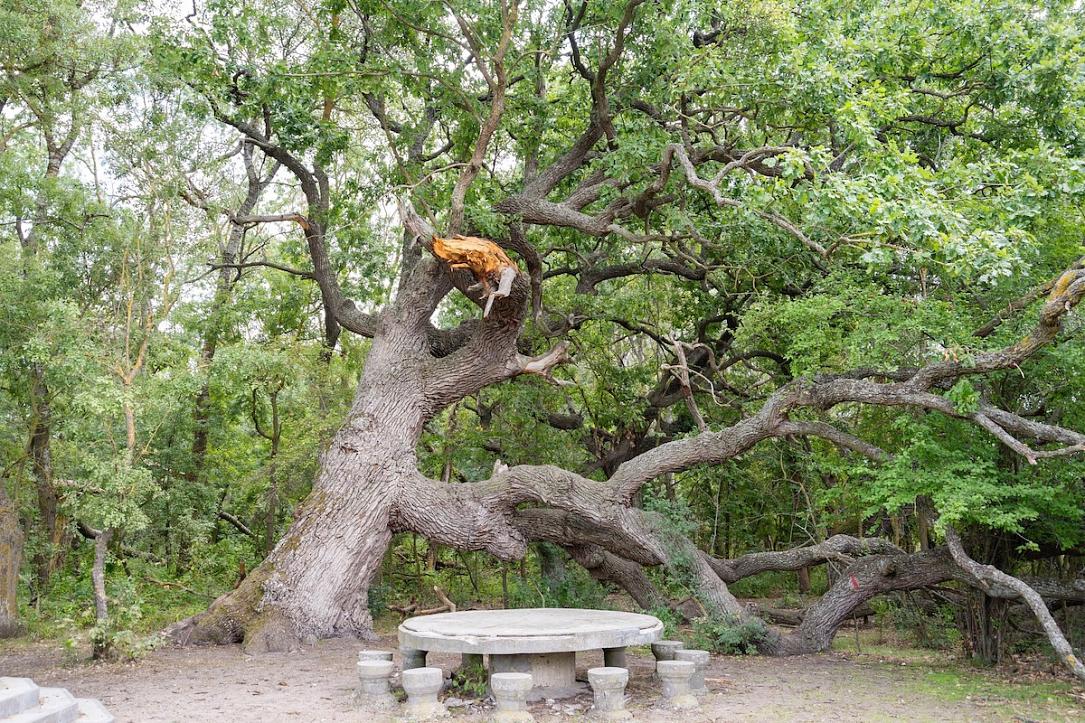
The Kneeling Oak is renowned for its distinctive shape and impressive size, making it the largest oak in the Danube Delta. With an age exceeding 400 years and a circumference of four meters, this ancient tree has earned its name due to its branches, which have gracefully reached down to the ground, giving it a "kneeling" appearance.
Minister Fechet emphasized the importance of community involvement in the project, stating, “We are laying the foundations of a project to rehabilitate the area around the oak in accordance with the strict protection principles of the Caraorman forest. Any new project needs the local community’s approval, so the locals, who know best what natural treasures they have, will be involved in the decision-making process.”
The Caraorman Forest is a strict nature reserve that occupies the central part of the Caraorman ridge, situated on the southern side of the Sulina Branch. Declared an area of national interest in 2000, the forest spans approximately 2,250 hectares in the central-northern part of the Delta, within the northern territory of Caraorman village, Crișan commune, Tulcea county.
This rich ecosystem is home to a diverse array of flora, including towering oaks that reach heights of over 30 meters, as well as ash trees, poplars, and various Mediterranean plant species. The forest is not only a vital habitat for wildlife but also plays a crucial role in the ecological balance of the region.
The Caraorman Forest is included in the UNESCO World Heritage list as a biosphere reserve, forming part of the Danube Delta National Park. This designation highlights the area's global significance and the need for its preservation. The recognition of the Kneeling Oak as a natural monument will further enhance conservation efforts and raise awareness about the importance of protecting Romania's natural treasures.
The decision to grant the Kneeling Oak natural monument status is a commendable step towards preserving Romania's rich biodiversity and cultural heritage. By involving the local community in the rehabilitation and protection of this iconic tree and its surrounding area, the Ministry of Environment aims to foster a sense of stewardship and responsibility towards the natural environment. As the project progresses, it is hoped that the Kneeling Oak will continue to stand as a symbol of resilience and beauty in the heart of the Danube Delta for generations to come.