Rhino Poaching Declines in South Africa in the first half of 2024
-
 Loading...
 - Megan Joshua Nduli
- 16 Sep 2024
- 40 Views
- 0 Like
- 0 Comment
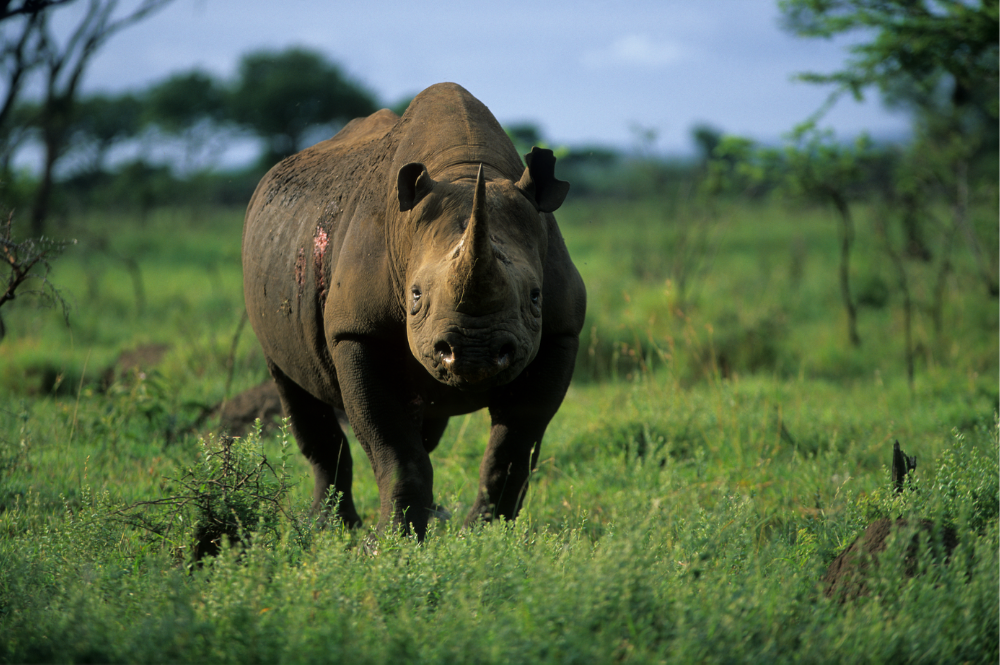
In the first half of 2024, South Africa reported a slight reduction in rhino poaching, with 229 rhinos killed, compared to 231 during the same period in 2023. A significant factor in this decline is the dehorning of rhinos, particularly in KwaZulu-Natal, where over 1,000 rhinos have been dehorned since April 2024. This measure, combined with increased conservation efforts, has contributed to reducing poaching activities, according to Dr. Dion George, the Minister of Forestry, Fisheries, and the Environment.
Despite these gains, Kruger National Park (KNP), a hotspot for poaching, saw an increase in rhino deaths, with 45 poached rhinos in 2024, compared to 42 in 2023. However, KNP remains dedicated to its Rhino Conservation Plan, which includes protective measures, the use of cutting-edge technologies, dehorning strategies, and biological management initiatives aimed at safeguarding rhino populations.
South Africa’s overall rhino population has shown resilience, growing from 12,968 white rhinos and 2,056 black rhinos in 2021 to 13,991 white rhinos and 2,065 black rhinos by the end of 2023. This growth, despite ongoing poaching, reflects the success of conservation strategies, with the population increasing by over 1,000 rhinos between 2021 and 2023. Crucially, the poaching rate remains below the critical 3.5% threshold that would lead to a population decline, holding steady at 2.9% in 2022 and 3.2% in 2023.
Efforts to combat rhino poaching and wildlife trafficking have been bolstered by the implementation of the Kruger National Park Integrity Management Plan, which focuses on staff integrity and professional development. Additionally, the National Integrated Strategy to Combat Wildlife Trafficking (NISCWT) has been effectively executed, fostering collaboration between government and private sectors to enhance enforcement and data-sharing efforts.
Law enforcement has also made significant progress, arresting over 60 suspects and recovering 20 high-caliber firearms linked to poaching activities. These achievements are the result of coordinated efforts by various agencies, including the SAPS Stock Theft & Endangered Species Unit, Environmental Management Inspectors, and private security teams, underscoring the importance of a unified approach in tackling wildlife crime.