Qatar Urges Public to Safeguard Biodiversity Amid Ongoing Conservation Efforts
-
 Loading...
 - Brian Lyus
- 08 Aug 2024
- 45 Views
- 0 Like
- 0 Comment
The Ministry of Environment and Climate Change (MECC) in Qatar is calling on citizens and residents to actively participate in protecting the country's rich biodiversity. In a recent social media campaign, the ministry highlighted the importance of every species in maintaining ecological balance and encouraged public support for conservation initiatives.
Qatar is increasingly focusing on developing ecotourism destinations that intertwine environmental preservation with economic and cultural growth. The ministry has been at the forefront of various initiatives aimed at protecting the country’s diverse ecosystems, from marine life conservation to habitat restoration and species protection programs.
Among the MECC's significant efforts is the allocation of 2.5% of Qatar's territory as marine reserves. These areas serve as safe havens for endangered species such as dugongs and whale sharks. The ministry’s conservation projects cover a range of ecosystems, including marine habitats, desert landscapes, and mangrove ecosystems.
- Mangrove Preservation: Qatar's commitment to preserving mangroves dates back to 1981, with the establishment of 13 cultivation sites along the coastline by 1997. Mangrove ecosystems were designated as nature reserves in 2006, and recent efforts have included the production of thousands of mangrove seedlings and the creation of new marine nurseries.
- Meadow Rehabilitation: The ministry has rehabilitated and fenced 1.2 million square meters of meadows to protect vegetation and combat desertification. This initiative is part of Qatar’s broader strategy to conserve its unique flora and fauna.
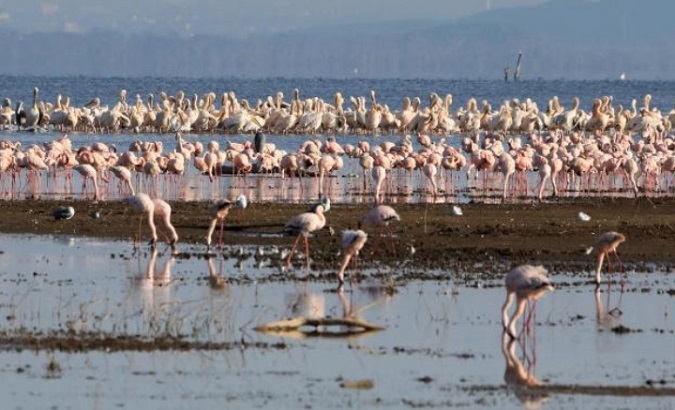
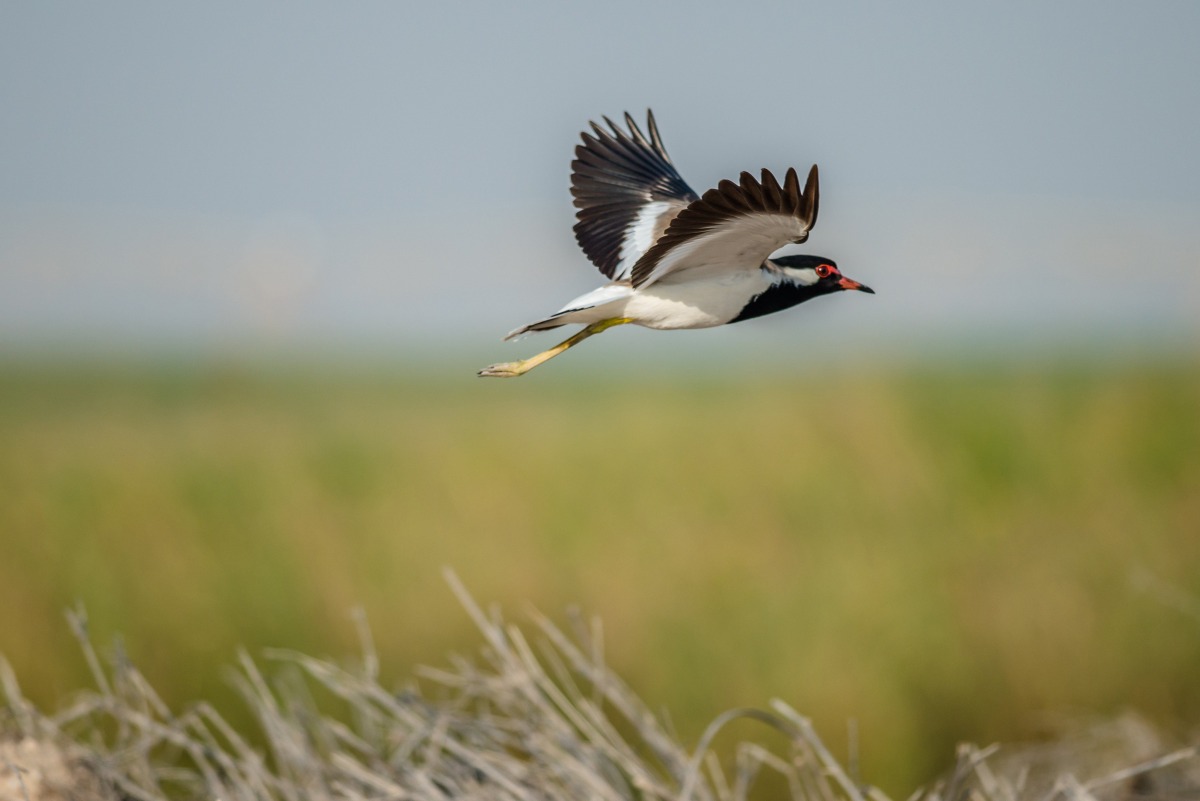
- Wildlife Protection: The country’s biodiversity is home to rare species like the Arabian oryx, greater spotted eagle, and corn crake. Qatar also serves as an essential habitat for migratory birds, which play a crucial role in maintaining ecological balance.
The MECC emphasizes that small actions can significantly impact the preservation of Qatar's environment for future generations. The ministry encourages the public to contribute to conservation efforts by spreading environmental awareness, adopting sustainable practices, volunteering in local environmental activities, supporting government decisions that protect the environment, and donating to conservation projects.
Qatar has set ambitious targets to protect its natural ecosystem. By 2030, the country aims to conserve over 25% of its land area, reduce daily household water consumption by a third, cut greenhouse gas emissions by 25%, promote sustainable farming, and adopt a circular economy that repurposes waste.
The ministry’s efforts also include combating invasive species, such as the trapping of approximately 8,800 myna birds to maintain ecological balance. Qatar's rich biodiversity, spanning from marine species to desert flora and fauna, underscores the nation's commitment to environmental sustainability.
As Qatar continues to protect and enhance its natural wealth, the MECC’s message is clear: collective action is vital in safeguarding the country's biodiversity and ensuring a sustainable future.