Home Upload Photo Upload Videos Write a Blog Analytics Messaging Streaming Create Adverts Creators Program
Bebuzee Afghanistan Bebuzee Albania Bebuzee Algeria Bebuzee Andorra Bebuzee Angola Bebuzee Antigua and Barbuda Bebuzee Argentina Bebuzee Armenia Bebuzee Australia Bebuzee Austria Bebuzee Azerbaijan Bebuzee Bahamas Bebuzee Bahrain Bebuzee Bangladesh Bebuzee Barbados Bebuzee Belarus Bebuzee Belgium Bebuzee Belize Bebuzee Benin Bebuzee Bhutan Bebuzee Bolivia Bebuzee Bosnia and Herzegovina Bebuzee Botswana Bebuzee Brazil Bebuzee Brunei Bebuzee Bulgaria Bebuzee Burkina Faso Bebuzee Burundi Bebuzee Cabo Verde Bebuzee Cambodia Bebuzee Cameroon Bebuzee Canada Bebuzee Central African Republic Bebuzee Chad Bebuzee Chile Bebuzee China Bebuzee Colombia Bebuzee Comoros Bebuzee Costa Rica Bebuzee Côte d'Ivoire Bebuzee Croatia Bebuzee Cuba Bebuzee Cyprus Bebuzee Czech Republic Bebuzee Democratic Republic of the Congo Bebuzee Denmark Bebuzee Djibouti Bebuzee Dominica Bebuzee Dominican Republic Bebuzee Ecuador Bebuzee Egypt Bebuzee El Salvador Bebuzee Equatorial Guinea Bebuzee Eritrea Bebuzee Estonia Bebuzee Eswatini Bebuzee Ethiopia Bebuzee Fiji Bebuzee Finland Bebuzee France Bebuzee Gabon Bebuzee Gambia Bebuzee Georgia Bebuzee Germany Bebuzee Ghana Bebuzee Greece Bebuzee Grenada Bebuzee Guatemala Bebuzee Guinea Bebuzee Guinea-Bissau Bebuzee Guyana Bebuzee Haiti Bebuzee Honduras Bebuzee Hong Kong Bebuzee Hungary Bebuzee Iceland Bebuzee India Bebuzee Indonesia Bebuzee Iran Bebuzee Iraq Bebuzee Ireland Bebuzee Israel Bebuzee Italy Bebuzee Jamaica Bebuzee Japan Bebuzee Jordan Bebuzee Kazakhstan Bebuzee Kenya Bebuzee Kiribati Bebuzee Kuwait Bebuzee Kyrgyzstan Bebuzee Laos Bebuzee Latvia Bebuzee Lebanon Bebuzee Lesotho Bebuzee Liberia Bebuzee Libya Bebuzee Liechtenstein Bebuzee Lithuania Bebuzee Luxembourg Bebuzee Madagascar Bebuzee Malawi Bebuzee Malaysia Bebuzee Maldives Bebuzee Mali Bebuzee Malta Bebuzee Marshall Islands Bebuzee Mauritania Bebuzee Mauritius Bebuzee Mexico Bebuzee Micronesia Bebuzee Moldova Bebuzee Monaco Bebuzee Mongolia Bebuzee Montenegro Bebuzee Morocco Bebuzee Mozambique Bebuzee Myanmar Bebuzee Namibia Bebuzee Nauru Bebuzee Nepal Bebuzee Netherlands Bebuzee New Zealand Bebuzee Nicaragua Bebuzee Niger Bebuzee Nigeria Bebuzee North Korea Bebuzee North Macedonia Bebuzee Norway Bebuzee Oman Bebuzee Pakistan Bebuzee Palau Bebuzee Panama Bebuzee Papua New Guinea Bebuzee Paraguay Bebuzee Peru Bebuzee Philippines Bebuzee Poland Bebuzee Portugal Bebuzee Qatar Bebuzee Republic of the Congo Bebuzee Romania Bebuzee Russia Bebuzee Rwanda Bebuzee Saint Kitts and Nevis Bebuzee Saint Lucia Bebuzee Saint Vincent and the Grenadines Bebuzee Samoa Bebuzee San Marino Bebuzee São Tomé and Príncipe Bebuzee Saudi Arabia Bebuzee Senegal Bebuzee Serbia Bebuzee Seychelles Bebuzee Sierra Leone Bebuzee Singapore Bebuzee Slovakia Bebuzee Slovenia Bebuzee Solomon Islands Bebuzee Somalia Bebuzee South Africa Bebuzee South Korea Bebuzee South Sudan Bebuzee Spain Bebuzee Sri Lanka Bebuzee Sudan Bebuzee Suriname Bebuzee Sweden Bebuzee Switzerland Bebuzee Syria Bebuzee Taiwan Bebuzee Tajikistan Bebuzee Tanzania Bebuzee Thailand Bebuzee Timor-Leste Bebuzee Togo Bebuzee Tonga Bebuzee Trinidad and Tobago Bebuzee Tunisia Bebuzee Turkey Bebuzee Turkmenistan Bebuzee Tuvalu Bebuzee Uganda Bebuzee Ukraine Bebuzee United Arab Emirates Bebuzee United Kingdom Bebuzee Uruguay Bebuzee Uzbekistan Bebuzee Vanuatu Bebuzee Venezuela Bebuzee Vietnam Bebuzee World Wide Bebuzee Yemen Bebuzee Zambia Bebuzee Zimbabwe
Blog Image

Shrimp Farms Threaten Mexico’s Mangroves and Jaguars

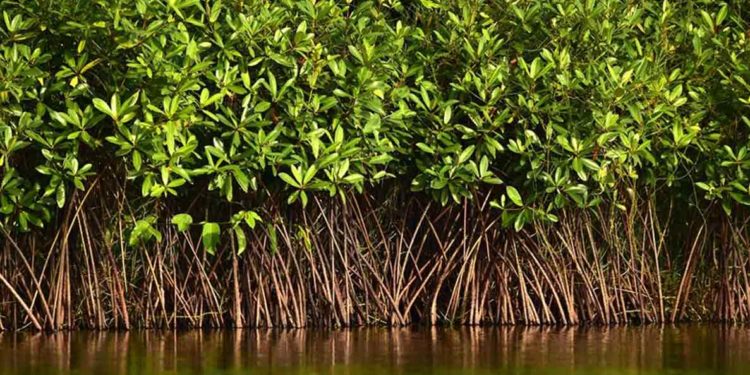
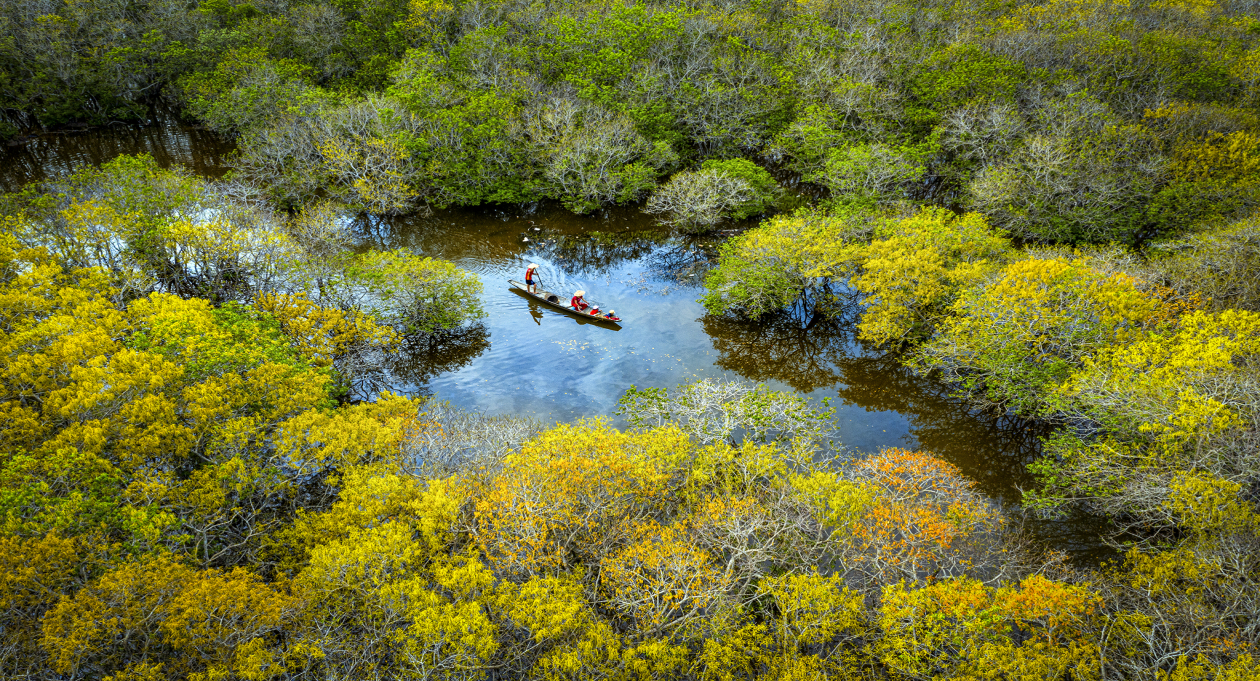
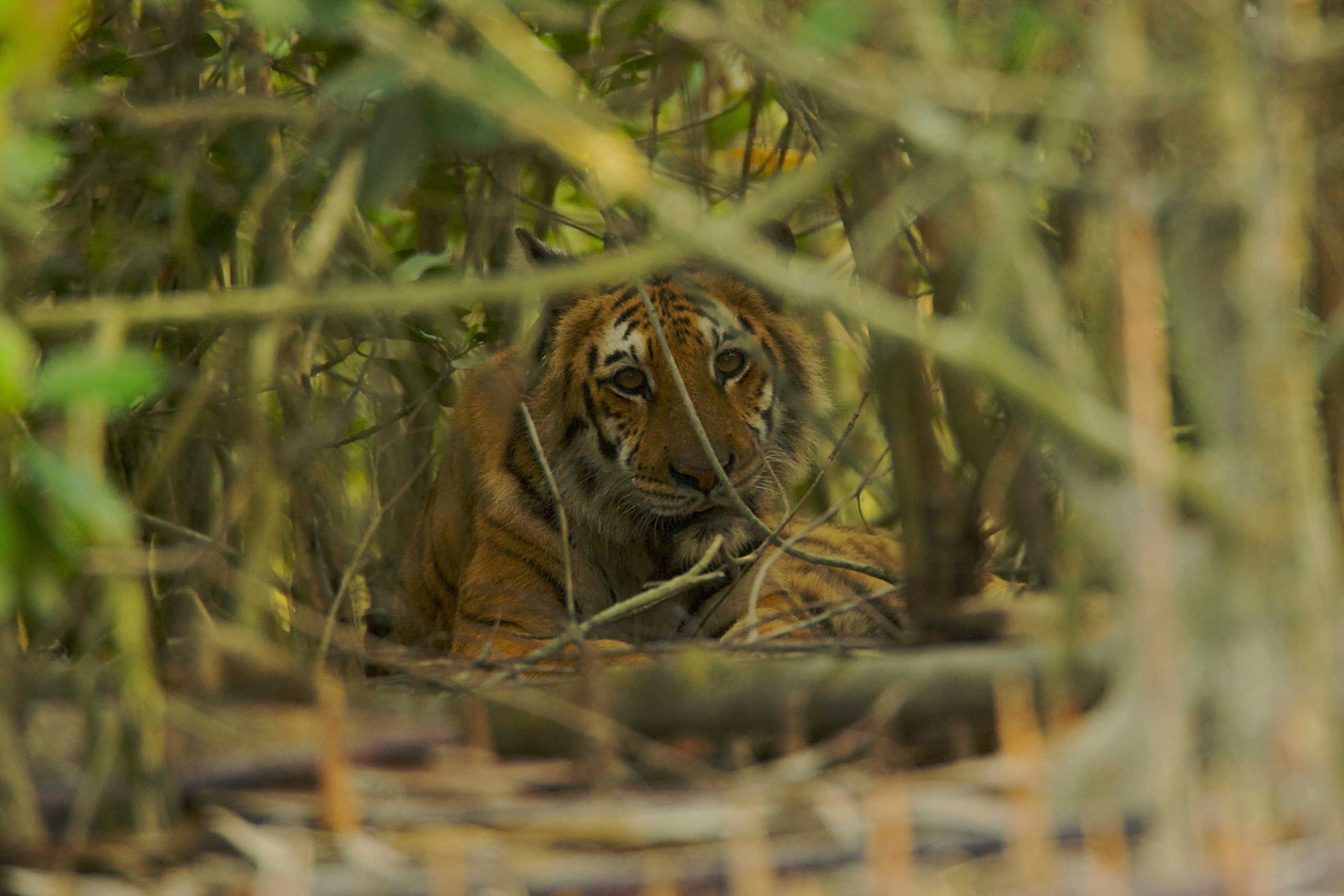
In the tangled roots of Mexico’s western mangrove forests, jaguars reign supreme as apex predators. However, their existence is imperiled by the proliferation of another species: the whiteleg shrimp. The boom in aquaculture of this shrimp along Mexico’s Pacific coast has led to significant deforestation of mangrove forests, threatening the crucial habitats of jaguars in the states of Sinaloa, Sonora, and Nayarit.

Habitat loss and poaching have already reduced the jaguar's distribution across Mexico by 54%, leaving only about 4,000 to 5,000 jaguars in the wild. A 2022 study of a nearly 6,300-hectare wildlife corridor in Nayarit, crucial for jaguar conservation, revealed a troubling decrease in mangrove coverage from 35% to 26%, while land used for agriculture and aquaculture rose from 38% to 50% over 20 years.

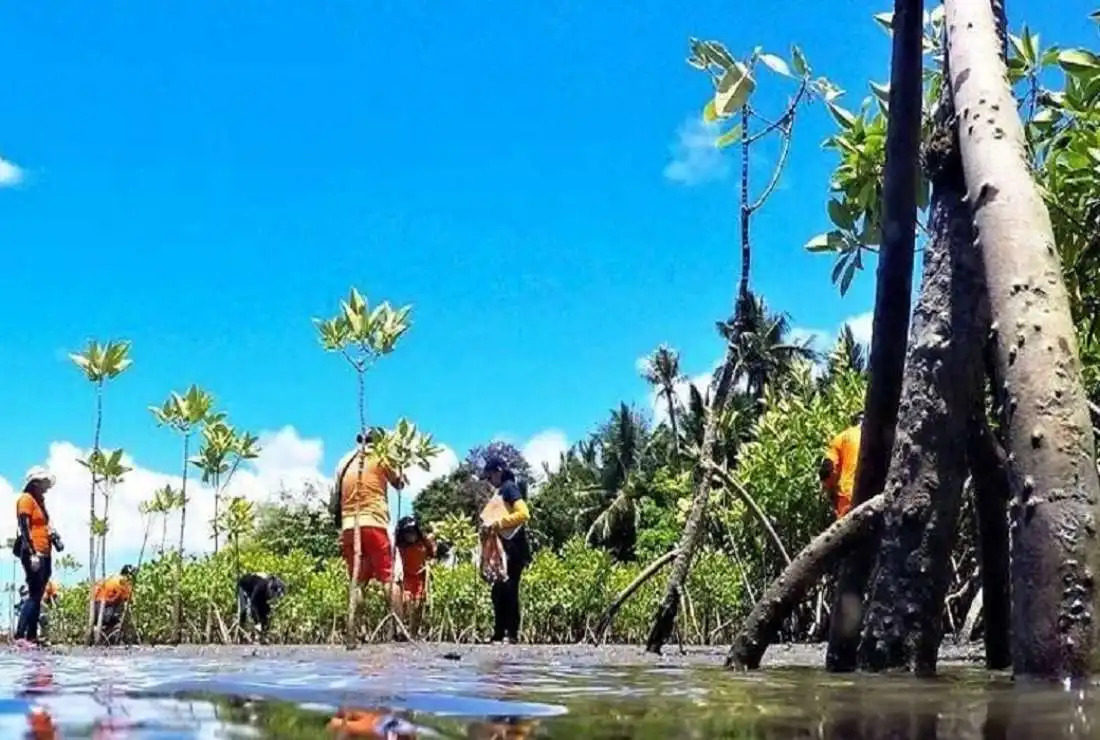
Despite this habitat loss, a small reserve in Nayarit offers a glimmer of hope. La Papalota, once a 368-hectare farm, became the first private area in Nayarit voluntarily dedicated to conservation under a federal program in 2008. This reserve, covered in dense mangrove forests and a mix of tropical deciduous and secondary forests, provides a crucial refuge for jaguars. Though too small to support an entire jaguar population, it acts as a vital “stepping stone,” linking larger conservation areas and allowing jaguars to move safely between them.

La Papalota is situated between Marismas Nacionales Biosphere Reserve, which contains about 20% of Mexico’s mangroves, and the mangroves of San Blas to the south. The reserve supports at least six jaguars and has been a haven for about 12 jaguar births. This illustrates how even small protected areas can play a significant role in jaguar conservation by facilitating movement and genetic diversity between larger habitats.

Mexico’s northern Pacific region has eight biological corridors, and nationwide, there are 581 private reserves like La Papalota, covering 1.14 million hectares in 28 states. These areas are essential for wildlife mobility and the survival of species like jaguars.

However, outside such reserves, mangroves face ongoing threats from urban development and shrimp farming, even within protected areas like Marismas Nacionales. Despite legal protections for mangroves in Mexico, enforcement is often lacking, leading to continued deforestation for shrimp ponds.

"Every time we visit the study site, we see new farms, new houses, new roads, and those rates of change are difficult for the jaguar populations to resist," says Victor Hugo Luja, a conservation biologist studying jaguars in La Papalota. If these trends continue unchecked, jaguars in Nayarit’s mangroves could disappear within a decade.

Conservation efforts in Mexico have focused on establishing parks and protected areas. Experts stress the importance of connecting these areas through biological corridors and safe havens like La Papalota to ensure the long-term survival of jaguars and other wildlife.

In conclusion, while jaguars face significant threats from habitat loss due to shrimp farming, small reserves like La Papalota provide essential refuges. Conservation strategies must emphasize creating and maintaining biological corridors to support the survival of jaguars and other species in Mexico's diverse ecosystems.

Previous Post

Rare Species Thrive at Shapwick Moor Nature Reserve

Next Post

Qatar Urges Public to Safeguard Biodiversity Amid Ongoing Conservation Efforts

Comments