Rare Species Thrive at Shapwick Moor Nature Reserve
-
 Loading...
 - Johannes Gray
- 07 Aug 2024
- 55 Views
- 0 Like
- 0 Comment
In a heartening development for biodiversity, two rare wetland species have established new homes at the Shapwick Moor Nature Reserve, thanks to the creation of new wetland features. This initiative is part of a broader nationwide effort to recover nature and expand a national Nature Recovery Network.
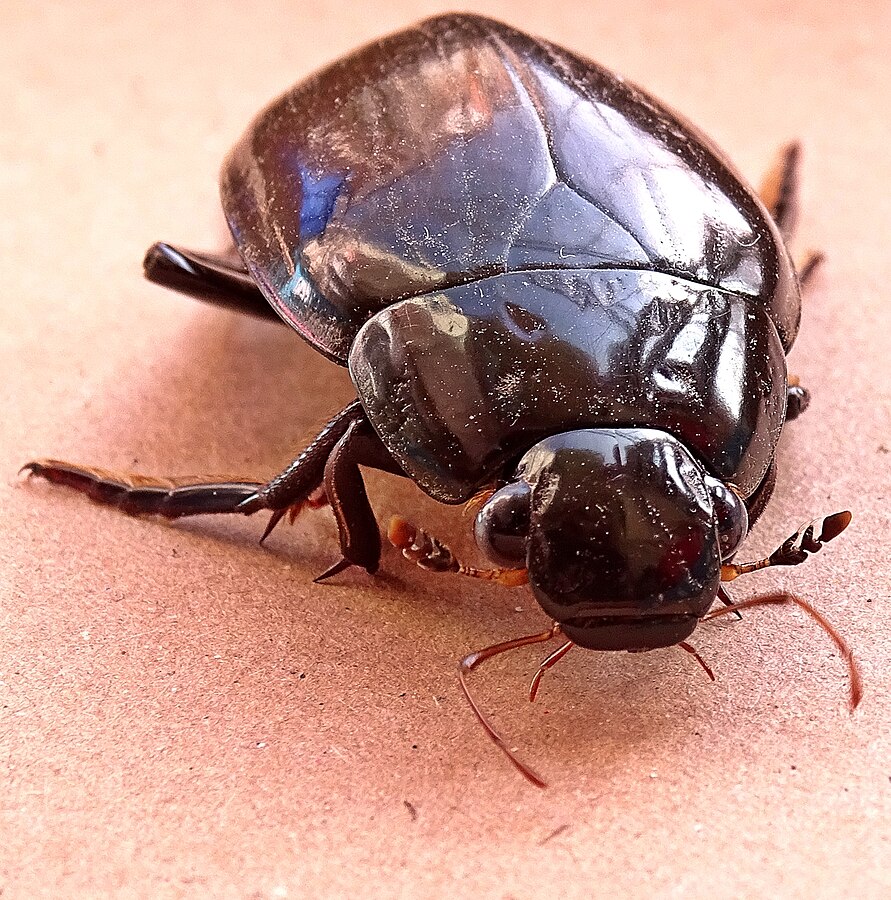
New Inhabitants: Great Crested Newts and Lesser Silver Diving Beetles
The presence of great crested newts and lesser silver diving beetles has been confirmed at Shapwick Moor following Natural England's investment in creating four scrapes. These scrapes, shallow depressions that fill with water, have formed ideal habitats for these species. The discovery is particularly exciting as neither species had been previously recorded at this Hawk and Owl Trust-owned reserve, which is part of the Somerset Wetlands National Nature Reserve.
Distribution and Conservation Status
- Lesser Silver Diving Beetle: This beetle has a limited but growing presence in the UK, primarily found in Somerset, Cheshire, and Denbigh, North Wales. It is listed in the UK Red Data Book of endangered species.
- Great Crested Newt: This newt species is widespread across the UK but holds European significance due to its endangered status. It is legally protected under the Wildlife and Countryside Act.
Both species are indicators of healthy wetland habitats, demonstrating that the conservation efforts at Shapwick Moor are successful.
Creation of Wetland Habitats
The scrapes were specifically designed to enhance the wetland habitat at Shapwick Moor. These newly created environments have proven to be suitable breeding grounds for the great crested newts and lesser silver diving beetles, with both species recorded as breeding in the scrapes in 2023 and 2024.
Addressing Climate Change
Simon Phelps, project lead from Natural England, expressed his enthusiasm:
“Finding two rare and endangered species living on the site so soon after creating the scrapes was brilliant. It shows the value of creating wetland features in this landscape. We hope to do more of this type of work as it helps our wetland wildlife. It also enables us to contribute to the government targets for saving our threatened species, while enhancing climate resilience.”
Alex Learmont, Hawk and Owl Trust Reserve Warden and Outreach Officer, added:
“We’re thrilled the new scrapes are providing habitat for a range of species never previously recorded on the reserve and ones that are nationally rare. It seems having a wide range of aquatic habitats is key as different species require different conditions throughout the year. They can now move between scrapes, ditches, and rhylls as needed. It is likely this will also be increasingly important in a changing climate.”
Future Conservation Efforts
The successful establishment of these species underscores the importance of creating diverse aquatic habitats to support wildlife. As the climate continues to change, the ability of species to move between different wetland areas will be crucial for their survival. The efforts at Shapwick Moor serve as a model for future conservation projects aimed at enhancing biodiversity and climate resilience.
The Shapwick Moor Nature Reserve's new wetland features have not only provided crucial habitats for rare species but also demonstrated the effectiveness of targeted conservation efforts. The presence of the great crested newt and lesser silver diving beetle is a promising sign of the reserve's growing ecological health and highlights the importance of continued investment in nature recovery projects.