Home Upload Photo Upload Videos Write a Blog Analytics Messaging Streaming Create Adverts Creators Program
Bebuzee Afghanistan Bebuzee Albania Bebuzee Algeria Bebuzee Andorra Bebuzee Angola Bebuzee Antigua and Barbuda Bebuzee Argentina Bebuzee Armenia Bebuzee Australia Bebuzee Austria Bebuzee Azerbaijan Bebuzee Bahamas Bebuzee Bahrain Bebuzee Bangladesh Bebuzee Barbados Bebuzee Belarus Bebuzee Belgium Bebuzee Belize Bebuzee Benin Bebuzee Bhutan Bebuzee Bolivia Bebuzee Bosnia and Herzegovina Bebuzee Botswana Bebuzee Brazil Bebuzee Brunei Bebuzee Bulgaria Bebuzee Burkina Faso Bebuzee Burundi Bebuzee Cabo Verde Bebuzee Cambodia Bebuzee Cameroon Bebuzee Canada Bebuzee Central African Republic Bebuzee Chad Bebuzee Chile Bebuzee China Bebuzee Colombia Bebuzee Comoros Bebuzee Costa Rica Bebuzee Côte d'Ivoire Bebuzee Croatia Bebuzee Cuba Bebuzee Cyprus Bebuzee Czech Republic Bebuzee Democratic Republic of the Congo Bebuzee Denmark Bebuzee Djibouti Bebuzee Dominica Bebuzee Dominican Republic Bebuzee Ecuador Bebuzee Egypt Bebuzee El Salvador Bebuzee Equatorial Guinea Bebuzee Eritrea Bebuzee Estonia Bebuzee Eswatini Bebuzee Ethiopia Bebuzee Fiji Bebuzee Finland Bebuzee France Bebuzee Gabon Bebuzee Gambia Bebuzee Georgia Bebuzee Germany Bebuzee Ghana Bebuzee Greece Bebuzee Grenada Bebuzee Guatemala Bebuzee Guinea Bebuzee Guinea-Bissau Bebuzee Guyana Bebuzee Haiti Bebuzee Honduras Bebuzee Hong Kong Bebuzee Hungary Bebuzee Iceland Bebuzee India Bebuzee Indonesia Bebuzee Iran Bebuzee Iraq Bebuzee Ireland Bebuzee Israel Bebuzee Italy Bebuzee Jamaica Bebuzee Japan Bebuzee Jordan Bebuzee Kazakhstan Bebuzee Kenya Bebuzee Kiribati Bebuzee Kuwait Bebuzee Kyrgyzstan Bebuzee Laos Bebuzee Latvia Bebuzee Lebanon Bebuzee Lesotho Bebuzee Liberia Bebuzee Libya Bebuzee Liechtenstein Bebuzee Lithuania Bebuzee Luxembourg Bebuzee Madagascar Bebuzee Malawi Bebuzee Malaysia Bebuzee Maldives Bebuzee Mali Bebuzee Malta Bebuzee Marshall Islands Bebuzee Mauritania Bebuzee Mauritius Bebuzee Mexico Bebuzee Micronesia Bebuzee Moldova Bebuzee Monaco Bebuzee Mongolia Bebuzee Montenegro Bebuzee Morocco Bebuzee Mozambique Bebuzee Myanmar Bebuzee Namibia Bebuzee Nauru Bebuzee Nepal Bebuzee Netherlands Bebuzee New Zealand Bebuzee Nicaragua Bebuzee Niger Bebuzee Nigeria Bebuzee North Korea Bebuzee North Macedonia Bebuzee Norway Bebuzee Oman Bebuzee Pakistan Bebuzee Palau Bebuzee Panama Bebuzee Papua New Guinea Bebuzee Paraguay Bebuzee Peru Bebuzee Philippines Bebuzee Poland Bebuzee Portugal Bebuzee Qatar Bebuzee Republic of the Congo Bebuzee Romania Bebuzee Russia Bebuzee Rwanda Bebuzee Saint Kitts and Nevis Bebuzee Saint Lucia Bebuzee Saint Vincent and the Grenadines Bebuzee Samoa Bebuzee San Marino Bebuzee São Tomé and Príncipe Bebuzee Saudi Arabia Bebuzee Senegal Bebuzee Serbia Bebuzee Seychelles Bebuzee Sierra Leone Bebuzee Singapore Bebuzee Slovakia Bebuzee Slovenia Bebuzee Solomon Islands Bebuzee Somalia Bebuzee South Africa Bebuzee South Korea Bebuzee South Sudan Bebuzee Spain Bebuzee Sri Lanka Bebuzee Sudan Bebuzee Suriname Bebuzee Sweden Bebuzee Switzerland Bebuzee Syria Bebuzee Taiwan Bebuzee Tajikistan Bebuzee Tanzania Bebuzee Thailand Bebuzee Timor-Leste Bebuzee Togo Bebuzee Tonga Bebuzee Trinidad and Tobago Bebuzee Tunisia Bebuzee Turkey Bebuzee Turkmenistan Bebuzee Tuvalu Bebuzee Uganda Bebuzee Ukraine Bebuzee United Arab Emirates Bebuzee United Kingdom Bebuzee Uruguay Bebuzee Uzbekistan Bebuzee Vanuatu Bebuzee Venezuela Bebuzee Vietnam Bebuzee World Wide Bebuzee Yemen Bebuzee Zambia Bebuzee Zimbabwe
Blog Image

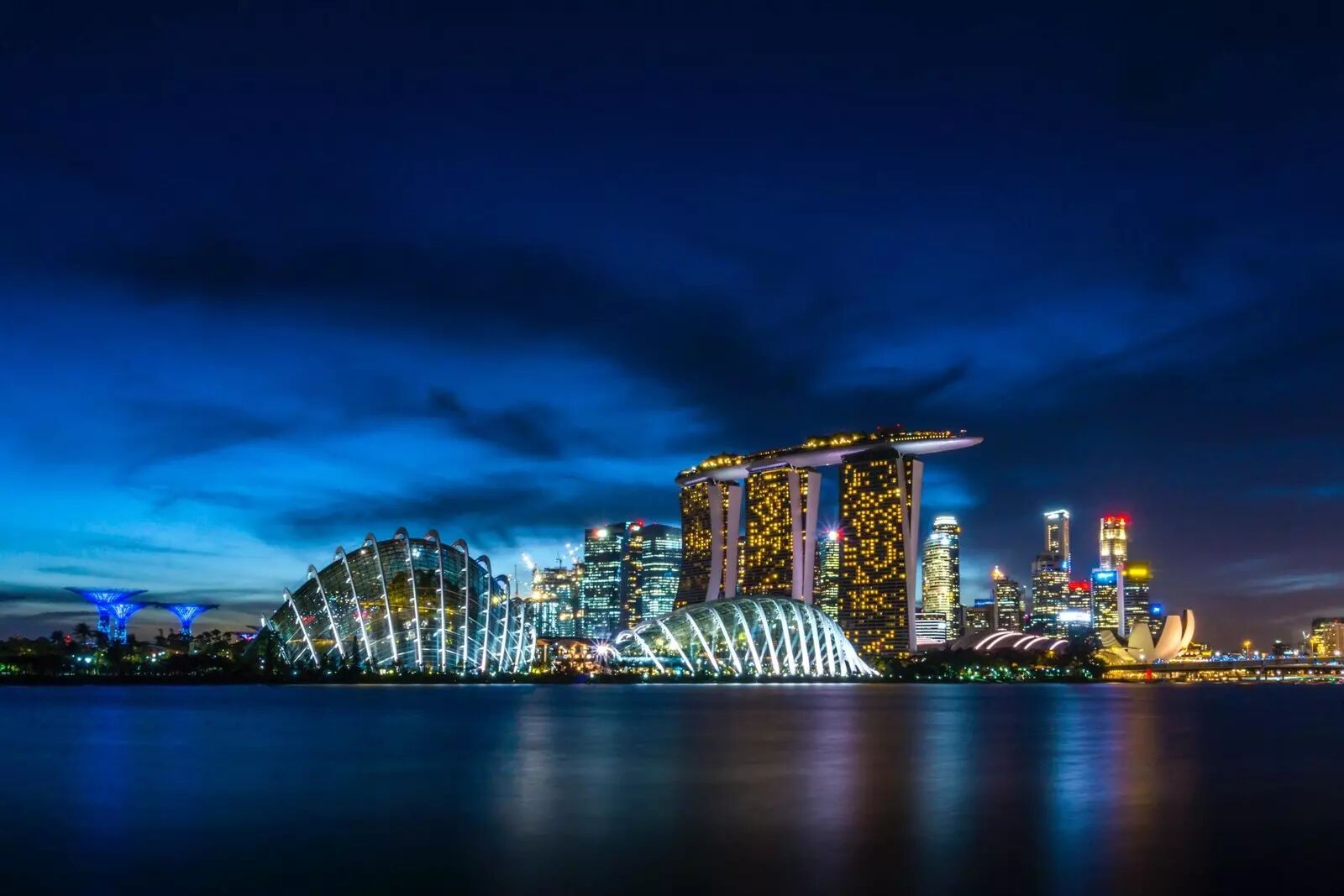
Singapore will plant 1 million trees by 2030

Languishing in the soft, silty mud, the living fossil looked as if it didn’t have a care in the world as it feasted on the fish left stranded in the tidal mangrove pools of the Sungei Buloh wetlands. However, the saltwater crocodile (Crocodylus porosus) might have been a little less at ease if it knew nearly 90% of its mangrove habitat in Singapore has been lost over the past century.

But now Singapore is looking to reverse this loss by mounting an ambitious reforestation campaign. In August 2020, the Singapore government announced the launch of the new Sungei Buloh Park Network, a 990-acre park in the northern portion of the island that is a refueling site for migratory birds and is home to oriental hornbills, otters, saltwater crocodiles, and many other species.

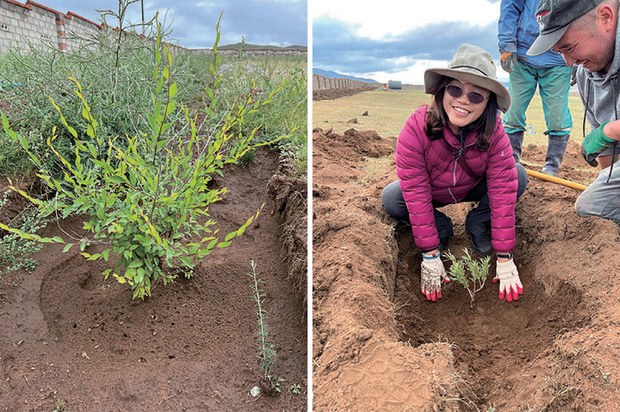
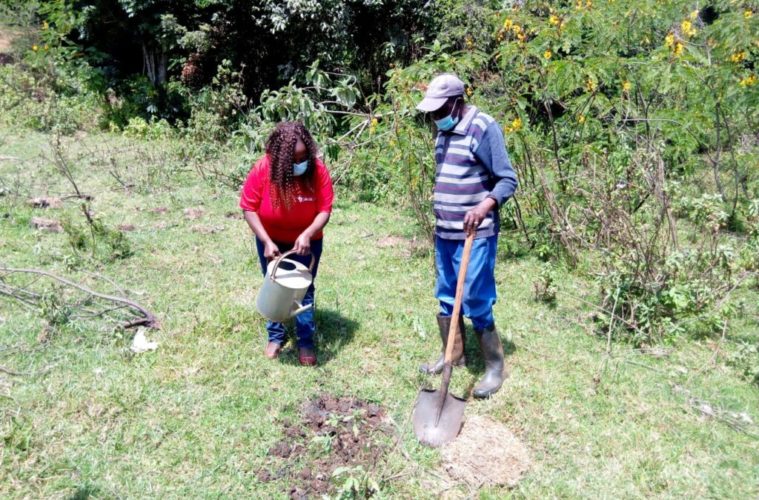
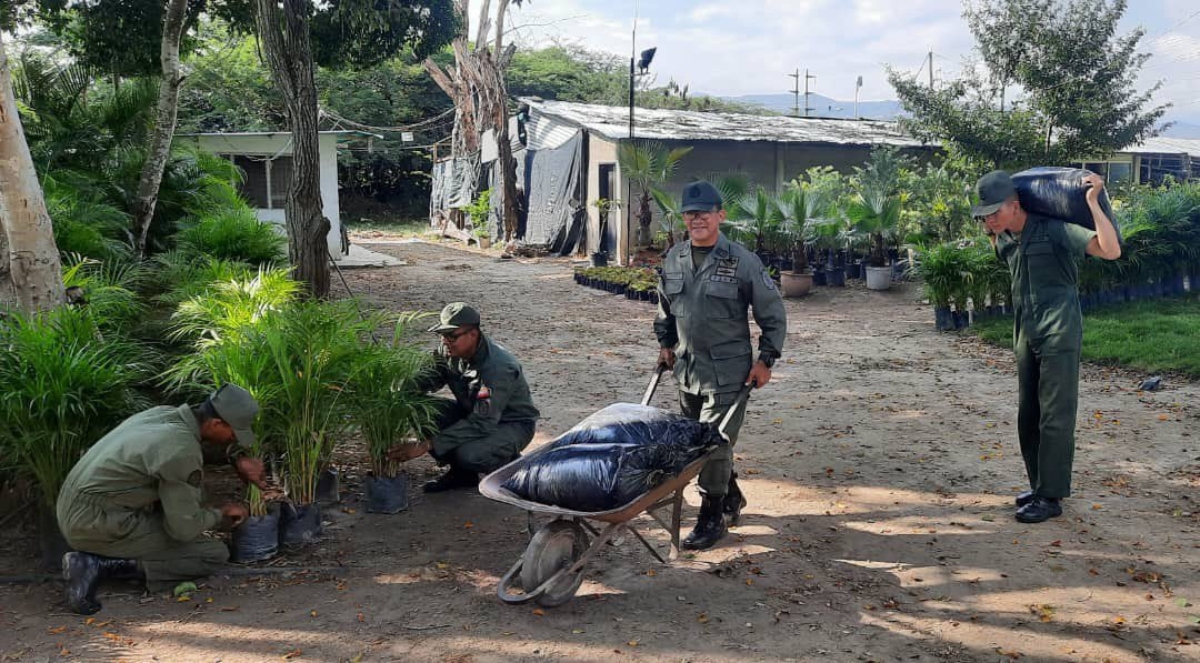
Sungei Buloh is part of a wider project that aims to plant 1 million trees over the next 10 years as the government tries to improve habitat quality for the city-state’s wildlife while improving living conditions for its human residents.

Mangroves are an Important Habitat

The Sungei Buloh Wetland Reserve has a storied history. It is where Singapore’s smooth-coated otters (Lutrogale perspicillata) were first discovered in the 1990s after they were assumed locally extinct, and it is also the location of the critically endangered Eye of the Crocodile tree (Bruguiera hainesii). The city-state has 11 of the world’s last remaining 200 trees.

The Sungei Buloh Wetland Reserve is also an important stop for migratory waterbirds as they fly from Russia and Alaska to Australia and New Zealand along the East Asian-Australasian flyway. By forming the Sungei Buloh Park Network, Singapore is effectively tripling the size of the protected area comprising the reserve. This new park aims to safeguard the biodiversity of multiple areas, including the Kranji marshes, the Mandai mangrove and mudflat, and the coastal Lim Chu Kang Nature Park, which is state land. Within this patchwork of habitats, researchers have recorded 279 species of birds. These areas comprise many different kinds of ecosystems; Lim Chua Kang Nature Park alone boasts mangrove, woodland, scrubland and grassland habitats, and its diversity has attracted coastal birds such as the gray-headed fish eagle (Ichthyophaga ichthyaetus) and baya weaver (Ploceus philippinus).

Geography professor Dan Friess from the National University of Singapore has studied Singapore’s mangroves for 11 years and heads up the university’s Mangroves Lab, which focuses on the study of coastal wetlands in Southeast Asia. He says Singapore’s mangroves have an outsize ecological impact.

“Singapore’s mangroves punch way above their weight,” Friess told Mongabay. “We only have a small area of mangroves, but within that we have huge biodiversity. For instance, in the U.S. they only have three species of mangrove plant species, while in Singapore you can find 35 different species of plant species in its mangroves.”

Singapore’s mangroves are relatively easy to access, providing a living laboratory for researchers who have uncovered many of their secrets through decades of study.

“In the Mandai mangroves alone researchers have found 20 species that are new to science,” Friess said. Read More…

Previous Post

Giant pandas Jia Jia and Kai Kai to extend their stay till 2027

Next Post

Africa's Large Aquatic Animals Are Being Hunted and Traded - We Assessed the Scale

Comments