Rehousing Tunisia's threatened freshwater turtles
-
 Loading...
 - Aziza Hamdy
- 16 Jul 2024
- 52 Views
- 0 Like
- 0 Comment
Tunisia’s freshwater turtles, vital components of the local ecosystem, are facing increasing threats due to habitat loss, pollution, and human activities. Efforts to rehouse and protect these threatened species are crucial for preserving biodiversity and maintaining ecological balance. Here’s an overview of the challenges faced by Tunisia’s freshwater turtles and the initiatives underway to safeguard their future.
Threats to Freshwater Turtles in Tunisia
Habitat Loss
Rapid urbanization, agricultural expansion, and infrastructure development have led to the significant loss of wetlands and natural habitats for freshwater turtles. These changes disrupt breeding sites and food sources, making it difficult for turtle populations to thrive.
Pollution
Water pollution from agricultural runoff, industrial waste, and plastic debris poses a severe threat to freshwater turtles. Contaminated water can lead to health issues, reduced reproductive success, and increased mortality rates among turtle populations.
Human Activities
Human activities, including illegal pet trade, poaching, and fishing, further endanger freshwater turtles. Turtles are often captured for their meat, shells, or to be sold as pets, significantly reducing their numbers in the wild.
Conservation Efforts
Habitat Restoration
Efforts to restore and protect wetland habitats are essential for the survival of freshwater turtles. Conservation organizations and government agencies are working to rehabilitate damaged ecosystems, create protected areas, and implement sustainable land-use practices.
Pollution Control
Addressing water pollution through stricter regulations and community initiatives is critical. Reducing agricultural runoff, controlling industrial waste discharge, and promoting waste management practices can help improve water quality and create a safer environment for turtles.
Rehousing Programs
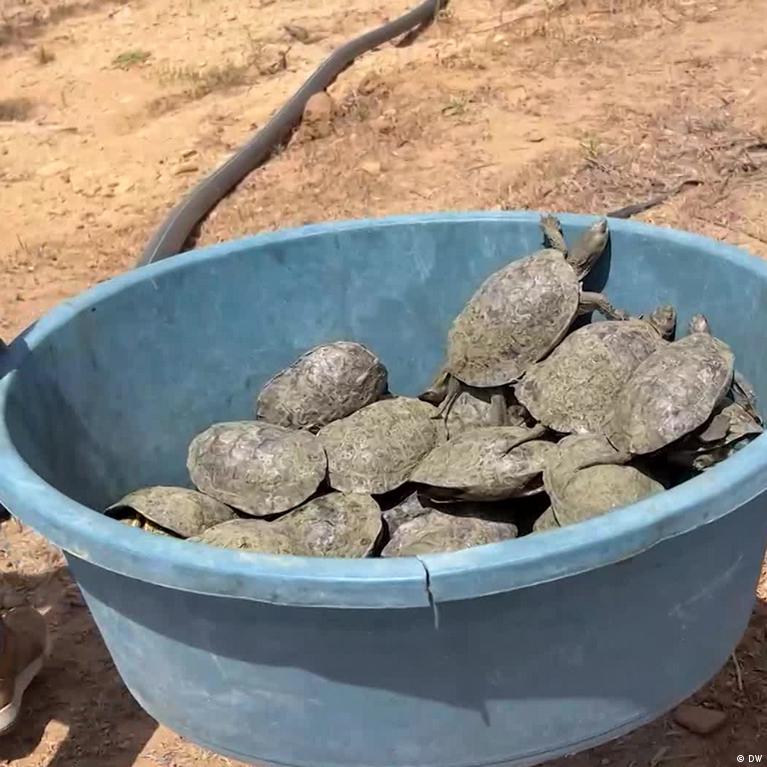
Rehousing programs involve relocating turtles from threatened habitats to protected areas where they can live and breed safely. These programs often include:
- Rescue Operations: Identifying and rescuing turtles from polluted or degraded habitats.
- Protected Sanctuaries: Establishing and maintaining sanctuaries with suitable conditions for turtle survival.
- Monitoring and Research: Conducting research to monitor turtle populations, health, and behavior to ensure the success of rehousing efforts.
Public Awareness and Education
Raising public awareness about the importance of freshwater turtles and the threats they face is crucial for gaining community support. Educational programs in schools, community centers, and through media campaigns can inform the public about conservation efforts and encourage responsible behaviors.
Legislation and Enforcement
Strengthening laws and regulations to protect freshwater turtles and their habitats is necessary. Effective enforcement of anti-poaching laws, restrictions on the pet trade, and habitat protection measures can help reduce human-induced threats.
Case Study: Rehousing Initiative in Northern Tunisia
In northern Tunisia, a successful rehousing initiative has been implemented to protect the endangered Mauremys leprosa, a native freshwater turtle species. Key components of this initiative include:
- Rescue and Rehabilitation: Turtles are rescued from polluted rivers and rehabilitated in a controlled environment.
- Protected Wetlands: Rehabilitated turtles are released into protected wetlands, monitored by conservationists to ensure their adaptation and survival.
- Community Engagement: Local communities are involved in conservation efforts through educational workshops and volunteer programs.
Conclusion
Rehousing Tunisia’s threatened freshwater turtles is a vital step toward preserving the country’s rich biodiversity. Through habitat restoration, pollution control, public awareness, and strict enforcement of conservation laws, these initiatives aim to ensure a safe and sustainable future for freshwater turtles. Continued support and collaboration between government agencies, conservation organizations, and local communities are essential for the success of these efforts.