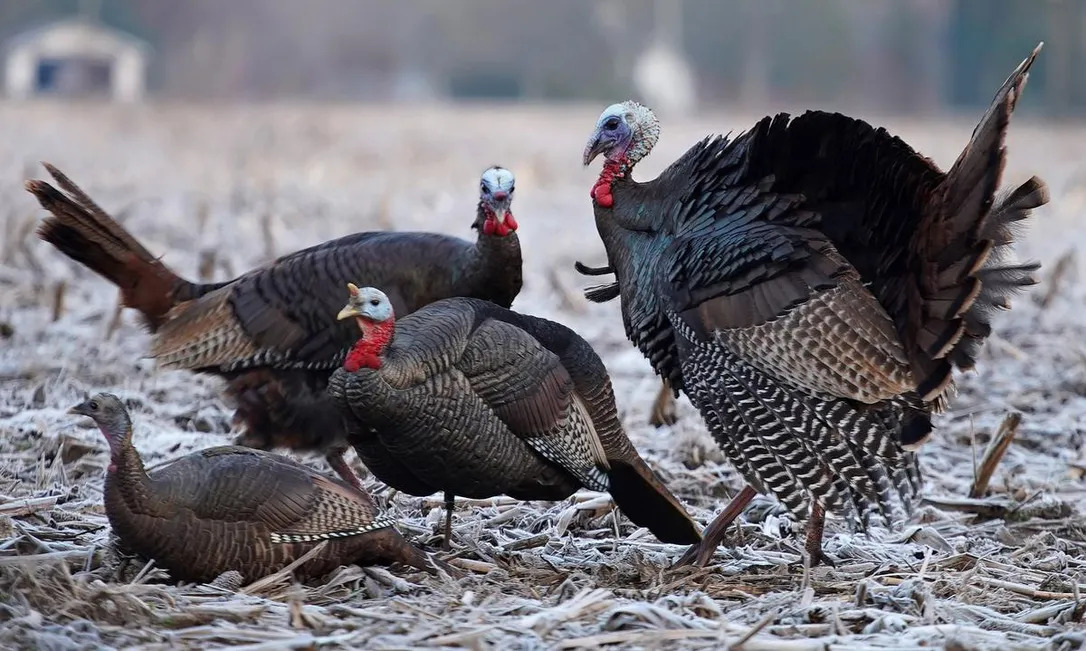
Reintroducing eastern wild turkey to Ontario one of the ‘great conservation success stories’
-
 Loading...
 - Martisse Bertin
- 24 May 2023
- 81 Views
- 0 Like
- 0 Comment
The reintroduction of the Eastern Wild Turkey to Ontario is hailed as one of the greatest conservation success stories in recent times. After decades of decline due to habitat loss and unregulated hunting, efforts were initiated to restore the population of these majestic birds to their historical range. This article delves into the fascinating journey of reintroducing the Eastern Wild Turkey, highlighting the challenges faced and the positive outcomes achieved.
The Eastern Wild Turkey (Meleagris gallopavo silvestris) once roamed the forests of Ontario, but by the early 1900s, their numbers had significantly declined. Unregulated hunting and habitat destruction led to their near extinction in the region. Recognizing the importance of conserving this iconic species, wildlife organizations and government agencies joined hands to reintroduce the Eastern Wild Turkey to its former range.
The Importance of the Eastern Wild Turkey Reintroduction
Reintroducing the Eastern Wild Turkey to Ontario served multiple purposes. Not only did it aim to restore a keystone species to the ecosystem, but it also aimed to enhance biodiversity, provide recreational opportunities for hunters, and contribute to the overall ecological balance. The successful reintroduction of the Eastern Wild Turkey is a testament to the effectiveness of conservation initiatives when stakeholders collaborate.
The Challenges Faced
Reintroducing a species to its former habitat is a complex endeavor. Several challenges were encountered during the process, including:
Habitat Restoration: Creating suitable habitat conditions for the Eastern Wild Turkey required extensive restoration efforts. This involved reforesting areas, managing invasive species, and ensuring adequate food and cover for the turkeys.
Capture and Relocation: Capturing wild turkeys from existing populations and safely relocating them to Ontario posed logistical challenges. Experts used advanced trapping techniques and transportation methods to ensure the well-being of the birds during the relocation process.
Predator Control: Predation is a significant threat to the survival of wild turkeys. Implementing effective predator control measures to mitigate predation risks was crucial for the success of the reintroduction program.
Public Awareness and Education: Educating the public about the importance of wild turkey conservation and dispelling misconceptions was a vital component of the reintroduction efforts. Public support and understanding were essential for the long-term success of the program.
Monitoring and Research: Regular monitoring and research were conducted to assess the progress of the reintroduced population and identify any potential issues. This data-driven approach helped fine-tune management strategies and ensure the ongoing success of the program.
Genetic Diversity: Maintaining genetic diversity within the reintroduced population was a key concern. Careful selection of donor populations and genetic monitoring helped preserve the genetic integrity of the Eastern Wild Turkey in Ontario.
The Remarkable Results Achieved
Thanks to the dedicated efforts of wildlife organizations, government agencies, and conservationists, the reintroduction of the Eastern Wild Turkey to Ontario has yielded remarkable results:
Population Recovery: The Eastern Wild Turkey population has shown a significant recovery since the reintroduction efforts began. The once-vanished species now thrives in several regions across Ontario, with growing numbers observed each year.
Ecosystem Restoration: The presence of wild turkeys has had positive ecological impacts. They play a crucial role in seed dispersal, insect control, and habitat modification, thus contributing to the overall health and balance of the ecosystem.
Economic Benefits: The reintroduction of Eastern Wild Turkeys has brought economic benefits to local communities. Hunting tourism has flourished, attracting enthusiasts from far and wide, and providing a boost to local businesses.
Cultural Significance: The Eastern Wild Turkey holds cultural significance for many indigenous communities and is deeply intertwined with their traditions and heritage. The successful reintroduction has helped preserve and celebrate this cultural connection.
Inspiration for Future Conservation: The success story of reintroducing the Eastern Wild Turkey to Ontario serves as an inspiration for future conservation efforts. It showcases the positive outcomes that can be achieved through collaborative conservation initiatives.
Frequently Asked Questions
Q: What is the Eastern Wild Turkey?
The Eastern Wild Turkey (Meleagris gallopavo silvestris) is a subspecies of wild turkey native to the eastern United States and parts of Canada, including Ontario. They are known for their distinctive plumage and are highly adaptable to a variety of habitats.
Q: Why did the Eastern Wild Turkey disappear from Ontario?
The decline of the Eastern Wild Turkey in Ontario was primarily caused by habitat loss due to human activities, such as deforestation and urbanization, coupled with unregulated hunting.
Q: How were the Eastern Wild Turkeys reintroduced to Ontario?
The reintroduction efforts involved capturing wild turkeys from existing populations in neighboring regions and safely relocating them to suitable habitats in Ontario. This process required careful planning, coordination, and monitoring.
Q: What role do wild turkeys play in the ecosystem?
Wild turkeys play a vital role in the ecosystem as seed dispersers and insect controllers. They help maintain forest health by distributing seeds and controlling insect populations, thus contributing to overall biodiversity.
Q: Are wild turkeys beneficial to farmers?
Wild turkeys can provide benefits to farmers by consuming pests and insects that can damage crops. Their foraging habits help control populations of insects and small rodents, reducing agricultural losses.
Q: How can the success of the Eastern Wild Turkey reintroduction be replicated in other regions?
The success of the Eastern Wild Turkey reintroduction can be replicated in other regions through collaborative efforts involving wildlife organizations, government agencies, local communities, and stakeholders. It requires careful planning, habitat restoration, predator control, public education, and long-term monitoring.
The reintroduction of the Eastern Wild Turkey to Ontario stands as a shining example of successful conservation efforts. Through dedicated collaboration, overcoming challenges, and careful management, the once-declining population has rebounded, bringing numerous ecological, economic, and cultural benefits. This achievement not only celebrates the return of a remarkable species but also inspires future conservation endeavors worldwide.