Ministry Expanding Protection of Flying Squirrels in Estonia
-
 Loading...
 - Arbi Mounir
- 10 Apr 2025
- 22 Views
- 0 Like
- 0 Comment
Climate Minister Yoko Alender (Reform) has approved a new regulation aimed at enhancing the protection of flying squirrels in Estonia. This regulation designates 14 permanent flying squirrel habitats as protected and expands the boundaries of seven existing protected areas.
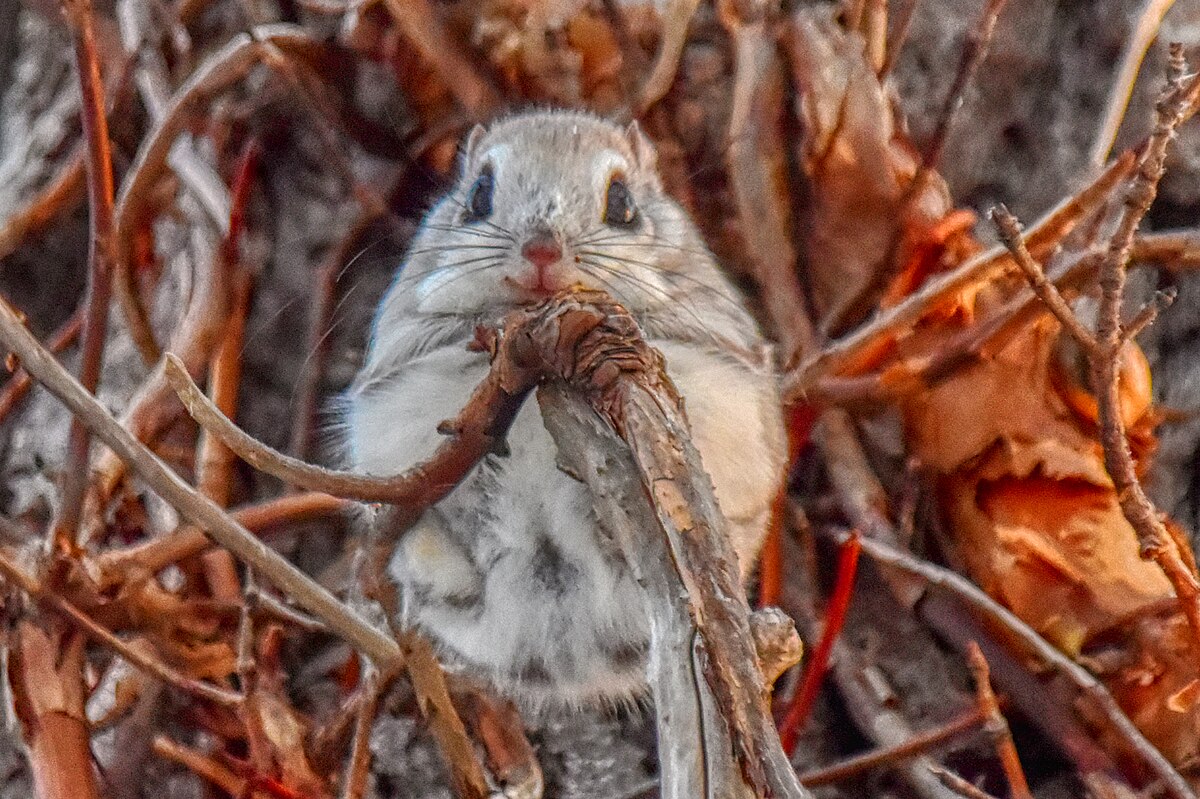
The Siberian flying squirrel (Pteromys volans) is a species of significant conservation concern, with notable populations found only in Finland and Estonia within the EU. In Estonia, the flying squirrel is classified under the highest protection bracket, Category I, highlighting its critical status.
Importance of Habitat Protection
The flying squirrel's habitats, particularly in northeastern Estonia, are fragmented, necessitating both protection and expansion to ensure the species' survival. Timo Kark, head of the biodiversity protection department at the Ministry of Climate, emphasized the importance of these measures: "The flying squirrel is an extremely rare species in the EU, and it is our responsibility to ensure its survival. Creating new protected areas and improving habitat connectivity are vital steps in strengthening the flying squirrel population."
The new regulation aims to enhance the condition of flying squirrel habitats, particularly in Alutaguse National Park, by establishing permanent habitats that connect different flying squirrel populations. This connectivity is crucial, as monitoring data indicates that while the flying squirrel population is showing slight improvement and has reoccupied some old habitats, the overall situation remains precarious. The species is still fragmented into smaller, isolated groups, which weakens its numbers.
Broader Ecological Impact
The protection of the flying squirrel extends beyond just this species; preserving its habitats also benefits many other forest-dwelling species, including owls, woodpeckers, and bats that rely on aspen tree cavities, as well as various rare mosses, lichens, and fungi. The regulation will increase the area of protected forests in Ida- and Lääne-Viru counties and Jõgeva County by 985.5 hectares, with two-thirds of this area located on state land.
The long-term goal of the flying squirrel conservation project is to establish a viable population of at least 250 inhabited sites, which would require a minimum of 1,000 sexually mature individuals to achieve a favorable conservation status.
Positive Outcomes for Forest Owners
The approval of this regulation concludes a review process that has lasted over two years. The Ministry of Climate has indicated that this move provides greater legal clarity for forest owners regarding what activities are permissible on their properties and outlines available compensation options.
Key actions moving forward will include ensuring a coherent network of inhabited sites, installing and maintaining artificial nesting sites, reducing predation pressure, studying population isolation, and providing guidance to landowners.
The flying squirrel is not only found in Estonia but also in the Russian Federation, Belarus, and parts of East Asia, including Japan. The conservation efforts in Estonia are crucial for the survival of this unique species and the broader ecosystem it supports.