San Marino Biodiversity and the Built Environment
-
 Loading...
 - Julie Murphy
- 15 Apr 2025
- 21 Views
- 0 Like
- 0 Comment
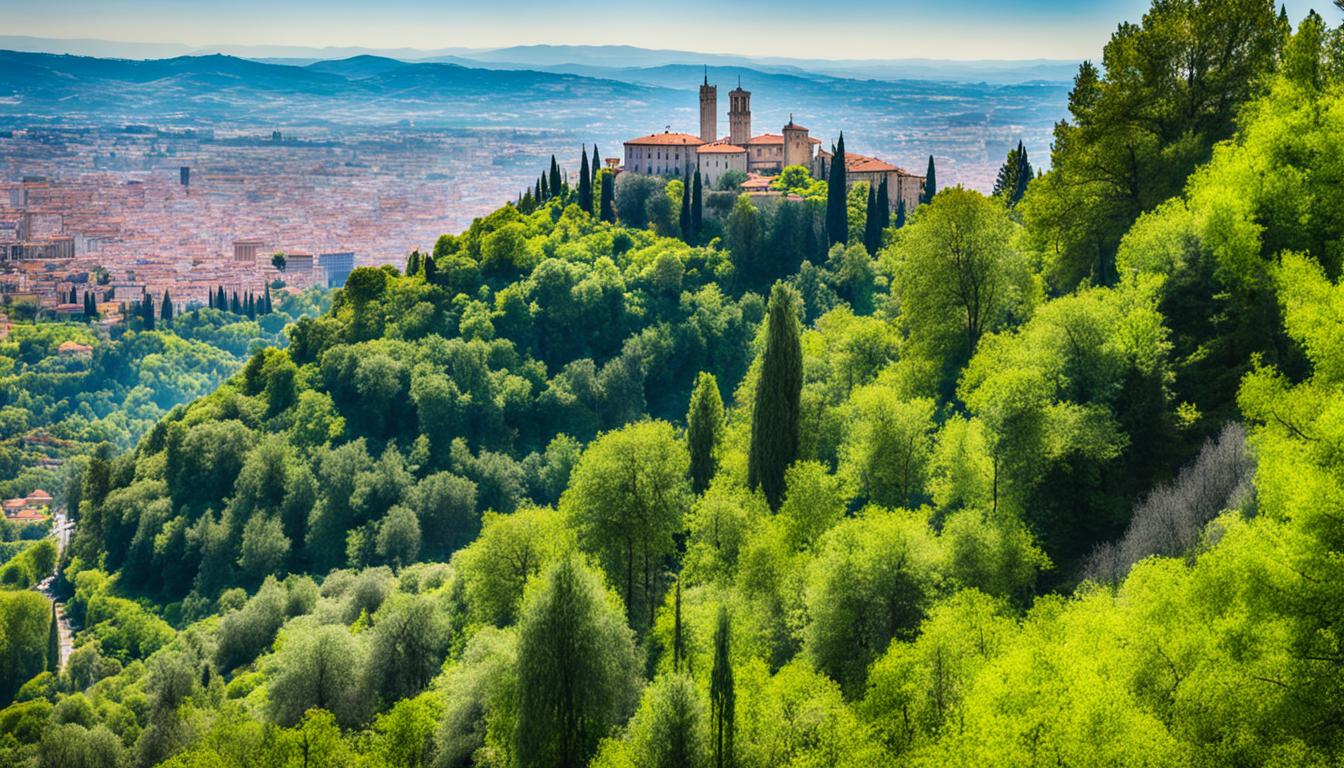
Despite its small size, San Marino is a hidden gem of biodiversity, showcasing a remarkable variety of flora and fauna. Nestled on the Italian peninsula, this tiny country is committed to environmental conservation and sustainable development, making it an intriguing case study for the integration of biodiversity within the built environment.
Geological and Landscape Diversity
San Marino's diverse geological and landscape features significantly contribute to its rich biodiversity. The country is characterized by steep valleys, meandering creeks, and striking limestone cliffs. A notable geological feature is the Valmarecchia rock slabs, which create an indented and varied topography. This unique landscape not only captivates nature enthusiasts but also plays a crucial role in supporting diverse ecosystems.
The rugged beauty of San Marino's terrain enhances its appeal, attracting visitors and providing habitats for various species. The interplay between geological formations and natural features creates a captivating environment that fosters biodiversity.
Vegetation Types and Flora
San Marino is home to a wide range of vegetation types, which contribute to its vibrant biodiversity. The woodlands are predominantly composed of broadleaved trees, such as oaks (Quercus pubescens) and flowering ash (Fraxinus ornus). These trees form a lush canopy that provides shelter and habitat for numerous plant and animal species.
In addition to woodlands, shrublands flourish throughout the country, featuring plants like hawthorn and dogwood. This diverse flora plays a vital role in sustaining the abundant wildlife, offering food, shelter, and protection, thereby ensuring a balanced ecosystem.
The varied vegetation types create a vivid tapestry across the landscape, enhancing the natural beauty of San Marino and providing a nurturing environment for its wildlife.
Fauna and Wildlife
San Marino's fauna is equally diverse, encompassing a range of species from amphibians and birds to mammals and reptiles. One notable species is the South European Nase (Chondrostoma genei), which highlights the region's unique ecological characteristics. However, many of these species face threats, with some classified as endangered or critically endangered.
Conservation initiatives are essential for protecting San Marino's wildlife, focusing on habitat preservation and mitigating human-induced threats. These efforts are crucial for ensuring the survival of the country's rich natural heritage.
Threats to Biodiversity
San Marino's biodiversity faces several significant threats:
- Habitat Loss and Fragmentation: Urbanization and intensive land use lead to habitat destruction and fragmentation, jeopardizing the survival of many species. As urban areas expand, natural habitats are transformed, isolating wildlife populations and disrupting ecological connectivity.
- Alteration of Ecosystems in Running Waters: The degradation of aquatic habitats due to organic waste and riverbed modifications poses a serious threat to species that rely on these ecosystems. This includes fish, amphibians, and invertebrates, all of which are vital for maintaining healthy aquatic environments.
Conservation Efforts
San Marino is dedicated to protecting its biodiversity through various conservation initiatives:
- Establishment of Protected Areas: The creation of protected areas is a key strategy for preserving diverse habitats and species. These areas play a crucial role in maintaining ecological balance and ensuring the long-term conservation of sensitive ecosystems.
- Habitat Restoration Projects: San Marino actively engages in habitat restoration efforts aimed at revitalizing degraded environments, such as forests, wetlands, and grasslands. By restoring these habitats, the country enhances biodiversity and improves overall ecosystem health.
San Marino's commitment to biodiversity and sustainable development is evident in its diverse landscapes, rich flora and fauna, and proactive conservation efforts. By integrating biodiversity considerations into urban planning and development, San Marino sets an example for other regions, demonstrating that even small countries can make significant strides in environmental conservation and the promotion of a harmonious relationship between nature and the built environment.