In Amazon, small towns are a force of nature
-
 Loading...
 - Ervin Sera
- 31 May 2023
- 77 Views
- 0 Like
- 0 Comment
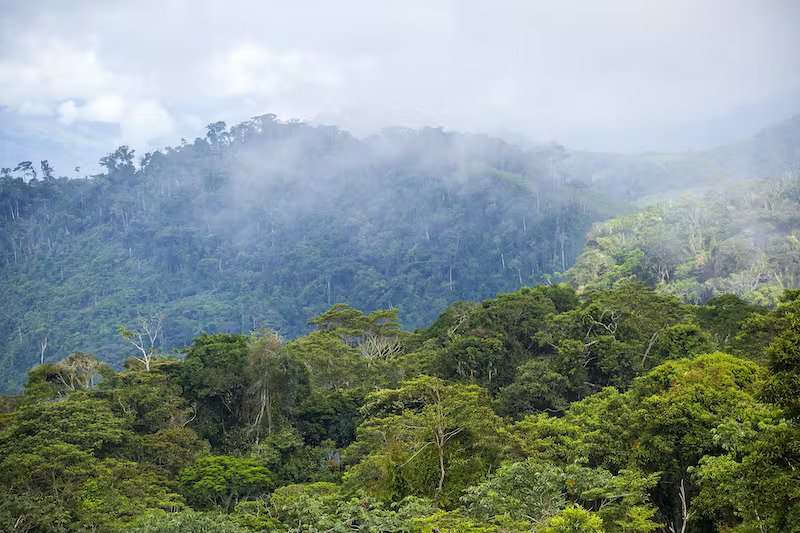
The recent achievement of Bolivia in meeting its ambitious goal of protecting 30 percent of its land is attributed to the active involvement of Amazonian towns and villages. While Bolivia's last national protected areas were established in the early 2000s, local municipalities have taken the initiative to accelerate conservation efforts. Currently, these municipalities account for one-third of all land under conservation in the country. With the support of Conservation International, two new municipalities located deep in the Amazon have joined this conservation movement.
The involvement of municipalities, even those as small as 200 people, is significant in shaping the conservation landscape. Conservation International has collaborated with four municipalities, enabling the creation of protected areas that span over a third of their territories. The recent protections implemented by the municipalities of Alto Beni and Teoponte, with Conservation International's assistance, contribute to nearly 2 million hectares (5 million acres) of protected land in Bolivia. The organization has plans to support nine additional municipalities in establishing protected areas.
This accomplishment highlights the role that small towns and local communities can play in nature conservation and the fight against climate change. The proximity of Amazonian communities to nature makes them heavily reliant on its resources for their livelihoods. Therefore, they experience the detrimental consequences of deforestation, such as increased flooding and deadly mudslides. Protected areas not only help communities prevent and recover from climate-driven disasters but also safeguard wildlife, including the endangered spectacled bear, South America's only bear species. Moreover, these areas preserve the crucial services provided by nature to support local communities.
For instance, the forests surrounding Alto Beni supply fresh water and support pollinators necessary for the community's cacao production, which serves as a source of income for many families. In the neighboring municipality of Teoponte, the newly protected area functions as a conservation corridor, connecting the forests of the Andean foothills.
Bolivia has historically experienced one of the highest rates of deforestation per capita globally. In 2021 alone, it lost an area of forest equivalent to nearly the size of Delaware—over 550,000 hectares (1.4 million acres). Reversing this trend requires strong partnerships with Indigenous peoples, local communities, and both local and national governments. Conservation International, alongside the national government, has facilitated the establishment of a network among Bolivian municipalities with protected areas to facilitate knowledge sharing and build partnerships. Additionally, they have contributed to the development of the first comprehensive atlas of municipal protected areas.
The collaboration among communities is encouraging, as they take a leading role in protecting their invaluable resources for future generations while inspiring others to join in the conservation efforts.