Failing to Protect Croatia’s Nature: Will We Stop Environmental Crimes?
-
 Loading...
 - Genevieve Allard
- 27 Feb 2025
- 24 Views
- 0 Like
- 0 Comment
Croatia is known for its rich biodiversity and extensive network of protected areas, yet the reality of environmental protection in the country is far less promising. Despite having legal frameworks and international commitments in place, the enforcement of laws against illegal activities within these protected areas remains alarmingly ineffective.
Monitoring of Illegal Activities Is Failing
The environmental organization Sunce has been at the forefront of nature conservation in Croatia for 25 years. Throughout this time, they have observed the evolution of legal frameworks and the gradual strengthening of capacities in areas such as management planning and stakeholder engagement. However, a significant weakness persists: the ineffective enforcement of laws against illegal activities, particularly in marine environments.
Zrinka Jakl, Head of the Nature Protection Department at Sunce, highlights that the crucial aspect of nature conservation has not only failed to progress but has regressed in recent years. A study titled Analysis of the Institutional and Legal Framework of Existing Capacities in Protected Areas in Croatia, conducted as part of the Interreg project EFFICIENTN2K, paints a dire picture. It reveals that inadequate financial and human resources, a lack of coordination among institutions, and poor law enforcement allow for the continuous destruction of protected areas without significant consequences for offenders.
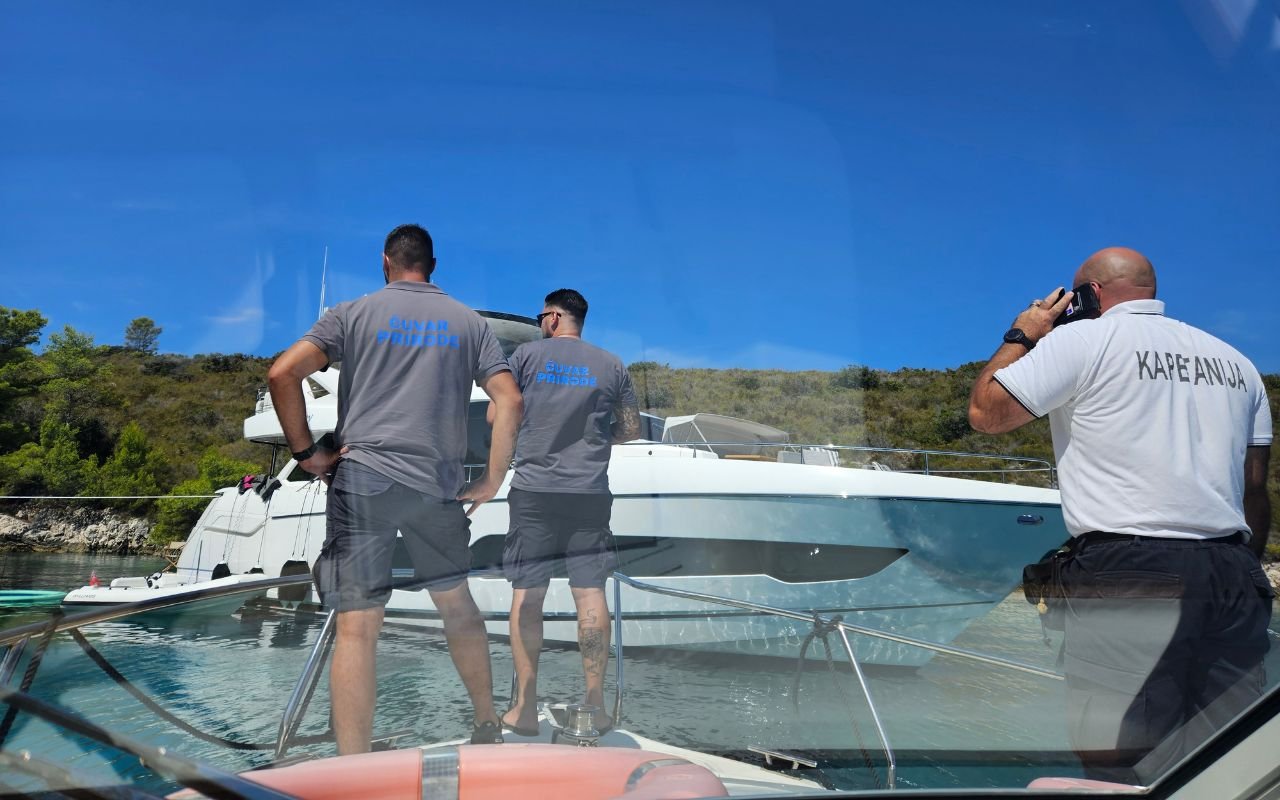
Nature rangers, who play a vital role in monitoring these areas, do not have official status, which hampers their ability to take action. The fines imposed on offenders are often too low to act as a deterrent, and public institutions lack the legal support necessary to effectively address environmental crimes. Furthermore, the lack of collaboration among nature protection inspectors, police, and other relevant agencies complicates law enforcement efforts.
Urgent Reforms Needed
To address these issues, urgent reforms are necessary to strengthen monitoring and enforcement in protected areas. The first step should involve amending legislation to grant nature rangers official status and adjusting penalties to reflect the real needs of nature conservation. Currently, authorized nature rangers rarely intervene due to political influences, lack of expertise, or personal connections with offenders.
In recent years, public institutions managing protected areas have been burdened with additional responsibilities under the Marine Fisheries Act and the Maritime Domain and Seaports Act. Instead of enhancing their capacities, these institutions have been overloaded with new obligations, further straining an already ineffective system. Matea Špika, Senior Expert Associate at Sunce’s Nature Protection Department, emphasizes the need for these institutions to receive adequate support to implement new laws effectively.
Professionalizing nature rangers is essential, requiring higher education qualifications and a focus on enforcement rather than technical tasks. Increasing the number of inspectors and equipping them for maritime surveillance is crucial for strengthening law enforcement. Agencies involved in monitoring should operate in shifts to ensure a continuous presence in the field, and training for police officers, prosecutors, and judges on environmental crimes is vital, as many lack specialization in this area.
The Need for Coordination
Better coordination at sea is also necessary among nature rangers, the State Inspectorate, police, the harbourmaster’s office, fisheries inspectors, and the Coast Guard. Regular meetings and a clear division of responsibilities would help reduce institutional inefficiencies and improve enforcement.
The resistance of responsible institutions to enhance monitoring efficiency and inter-agency cooperation is disproportionate to the expressed needs of implementation and expert bodies. Political will and accountability are lacking at nearly every level, preventing effective collaboration in tackling environmental crimes, which ultimately benefits society as a whole.
Only determined and sustainable systemic changes can ensure effective monitoring and nature protection in Croatia. Enhancing the efficiency of monitoring in protected areas and the ecological network must become a top priority for the Ministry of Environmental Protection and Green Transition in the coming years. Environmental protection is not merely a formal obligation to the European Union; it is a responsibility towards future generations.
Each individual can contribute to this change by advocating for improvements in the system and acting responsibly in nature. Time is running out, and nature cannot wait. It is imperative that Croatia takes decisive action to protect its natural heritage before it is too late.