Home Upload Photo Upload Videos Write a Blog Analytics Messaging Streaming Create Adverts Creators Program
Bebuzee Afghanistan Bebuzee Albania Bebuzee Algeria Bebuzee Andorra Bebuzee Angola Bebuzee Antigua and Barbuda Bebuzee Argentina Bebuzee Armenia Bebuzee Australia Bebuzee Austria Bebuzee Azerbaijan Bebuzee Bahamas Bebuzee Bahrain Bebuzee Bangladesh Bebuzee Barbados Bebuzee Belarus Bebuzee Belgium Bebuzee Belize Bebuzee Benin Bebuzee Bhutan Bebuzee Bolivia Bebuzee Bosnia and Herzegovina Bebuzee Botswana Bebuzee Brazil Bebuzee Brunei Bebuzee Bulgaria Bebuzee Burkina Faso Bebuzee Burundi Bebuzee Cabo Verde Bebuzee Cambodia Bebuzee Cameroon Bebuzee Canada Bebuzee Central African Republic Bebuzee Chad Bebuzee Chile Bebuzee China Bebuzee Colombia Bebuzee Comoros Bebuzee Costa Rica Bebuzee Côte d'Ivoire Bebuzee Croatia Bebuzee Cuba Bebuzee Cyprus Bebuzee Czech Republic Bebuzee Democratic Republic of the Congo Bebuzee Denmark Bebuzee Djibouti Bebuzee Dominica Bebuzee Dominican Republic Bebuzee Ecuador Bebuzee Egypt Bebuzee El Salvador Bebuzee Equatorial Guinea Bebuzee Eritrea Bebuzee Estonia Bebuzee Eswatini Bebuzee Ethiopia Bebuzee Fiji Bebuzee Finland Bebuzee France Bebuzee Gabon Bebuzee Gambia Bebuzee Georgia Bebuzee Germany Bebuzee Ghana Bebuzee Greece Bebuzee Grenada Bebuzee Guatemala Bebuzee Guinea Bebuzee Guinea-Bissau Bebuzee Guyana Bebuzee Haiti Bebuzee Honduras Bebuzee Hong Kong Bebuzee Hungary Bebuzee Iceland Bebuzee India Bebuzee Indonesia Bebuzee Iran Bebuzee Iraq Bebuzee Ireland Bebuzee Israel Bebuzee Italy Bebuzee Jamaica Bebuzee Japan Bebuzee Jordan Bebuzee Kazakhstan Bebuzee Kenya Bebuzee Kiribati Bebuzee Kuwait Bebuzee Kyrgyzstan Bebuzee Laos Bebuzee Latvia Bebuzee Lebanon Bebuzee Lesotho Bebuzee Liberia Bebuzee Libya Bebuzee Liechtenstein Bebuzee Lithuania Bebuzee Luxembourg Bebuzee Madagascar Bebuzee Malawi Bebuzee Malaysia Bebuzee Maldives Bebuzee Mali Bebuzee Malta Bebuzee Marshall Islands Bebuzee Mauritania Bebuzee Mauritius Bebuzee Mexico Bebuzee Micronesia Bebuzee Moldova Bebuzee Monaco Bebuzee Mongolia Bebuzee Montenegro Bebuzee Morocco Bebuzee Mozambique Bebuzee Myanmar Bebuzee Namibia Bebuzee Nauru Bebuzee Nepal Bebuzee Netherlands Bebuzee New Zealand Bebuzee Nicaragua Bebuzee Niger Bebuzee Nigeria Bebuzee North Korea Bebuzee North Macedonia Bebuzee Norway Bebuzee Oman Bebuzee Pakistan Bebuzee Palau Bebuzee Panama Bebuzee Papua New Guinea Bebuzee Paraguay Bebuzee Peru Bebuzee Philippines Bebuzee Poland Bebuzee Portugal Bebuzee Qatar Bebuzee Republic of the Congo Bebuzee Romania Bebuzee Russia Bebuzee Rwanda Bebuzee Saint Kitts and Nevis Bebuzee Saint Lucia Bebuzee Saint Vincent and the Grenadines Bebuzee Samoa Bebuzee San Marino Bebuzee São Tomé and Príncipe Bebuzee Saudi Arabia Bebuzee Senegal Bebuzee Serbia Bebuzee Seychelles Bebuzee Sierra Leone Bebuzee Singapore Bebuzee Slovakia Bebuzee Slovenia Bebuzee Solomon Islands Bebuzee Somalia Bebuzee South Africa Bebuzee South Korea Bebuzee South Sudan Bebuzee Spain Bebuzee Sri Lanka Bebuzee Sudan Bebuzee Suriname Bebuzee Sweden Bebuzee Switzerland Bebuzee Syria Bebuzee Taiwan Bebuzee Tajikistan Bebuzee Tanzania Bebuzee Thailand Bebuzee Timor-Leste Bebuzee Togo Bebuzee Tonga Bebuzee Trinidad and Tobago Bebuzee Tunisia Bebuzee Turkey Bebuzee Turkmenistan Bebuzee Tuvalu Bebuzee Uganda Bebuzee Ukraine Bebuzee United Arab Emirates Bebuzee United Kingdom Bebuzee Uruguay Bebuzee Uzbekistan Bebuzee Vanuatu Bebuzee Venezuela Bebuzee Vietnam Bebuzee World Wide Bebuzee Yemen Bebuzee Zambia Bebuzee Zimbabwe
Blog Image

Tourism Can Actually Boost Wild Atlantic Way Biodiversity, Says Trinity College Dublin Study

A recent study from Trinity College Dublin has revealed that high-traffic tourism can positively impact biodiversity, challenging the common belief that tourism harms natural habitats. Conducted at a popular location in County Kerry along the Wild Atlantic Way, the research highlights how well-managed tourism can coexist with conservation efforts.

Dr. Andrew Torsney, from the School of Natural Sciences, led the study alongside Professor Yvonne Buckley, with their findings published in the journal Global Ecology and Conservation. The researchers focused on Derrynane, a village within one of Ireland’s Special Areas of Conservation on the Iveragh Peninsula, known for its stunning landscapes and rich biodiversity. Derrynane House, the historic home of 19th-century MP Daniel O’Connell, is situated within a National Park managed by the Office of Public Works (OPW).

The study aimed to assess the impact of tourism on biodiversity, particularly in light of the fact that approximately 50% of protected sites in Europe, and even more in Ireland, face tourism-related threats. Dr. Torsney noted, “Essentially, tourism can and does cause damage if it’s not managed correctly.”

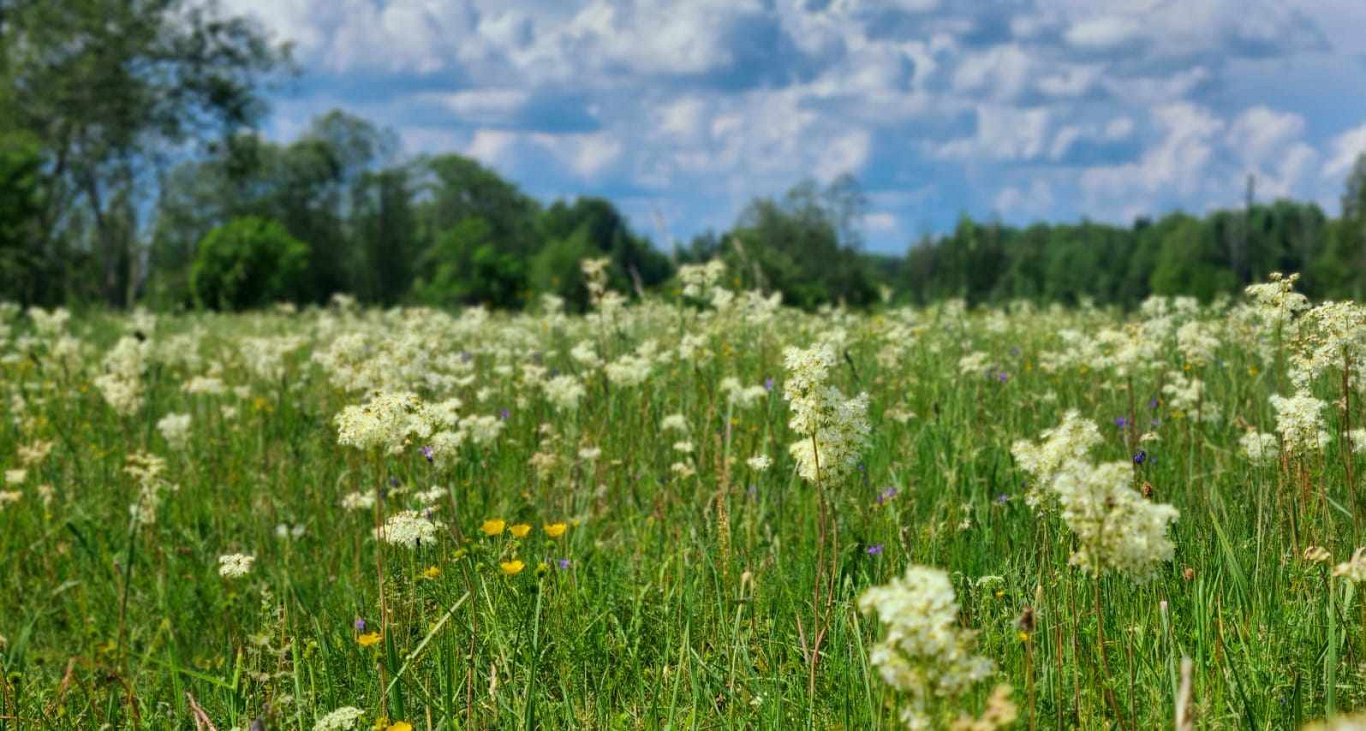
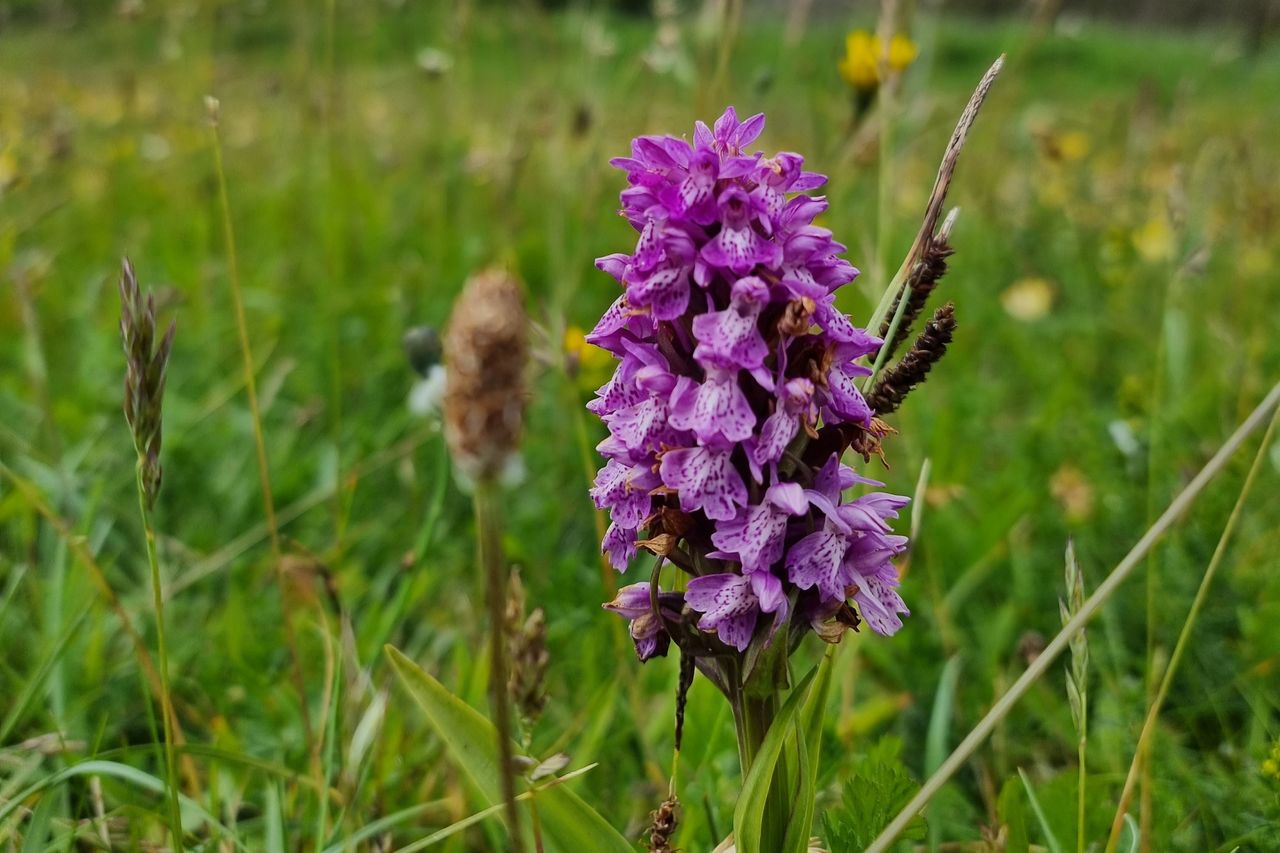
At Derrynane, the researchers observed that the introduction of cows for short periods of low-intensity grazing helped preserve and even increase the number of plant species in the area. Their findings indicated that biodiversity modestly increased in grazed habitats, while ungrazed areas experienced a 20% decline in biodiversity by the fourth year of the study. Notable plant species that thrived under this grazing management included Fair Flax (Linum catharticum), Pyramidal Orchid (Anacamptis pyramidalis), and Lady’s Bed-Straw (Galium verum).

Commissioned by Fáilte Ireland, the study sought to determine whether large volumes of tourism could occur without negatively impacting biodiversity if managed appropriately. Dr. Torsney explained that while tourist destinations often showcase breathtaking natural landscapes, there has been a prevailing belief that tourism damages these habitats.

As nature-based tourism continues to grow, the study provides valuable insights for authorities looking to align tourism with conservation efforts. The OPW’s strategy of balancing visitor access with grazing management has resulted in increased plant diversity, enhancing the overall experience for visitors who appreciate a vibrant landscape.

Dr. Torsney emphasized the need for a shift in perspective regarding tourism’s impact on the environment. “Most of the scientific literature focuses on using people as a proxy for damage,” he said. “Our findings highlight how targeted conservation grazing supports the health of species-rich dune habitats, providing a valuable tool for land managers seeking to balance conservation with public access.”

This research underscores the potential for tourism and conservation to work hand in hand, offering a pathway for sustainable practices that benefit both the environment and the visitor experience along the Wild Atlantic Way.

Previous Post

Failing to Protect Croatia’s Nature: Will We Stop Environmental Crimes?

Next Post

Battling Biodiversity Loss in Austria's Wetlands

Comments