Ghana’s tree-planting drive and the biodiversity question
-
 Loading...
 - Eric Armah
- 27 Mar 2023
- 67 Views
- 0 Like
- 0 Comment
The West African country is meeting its targets in large part by planting exotic species
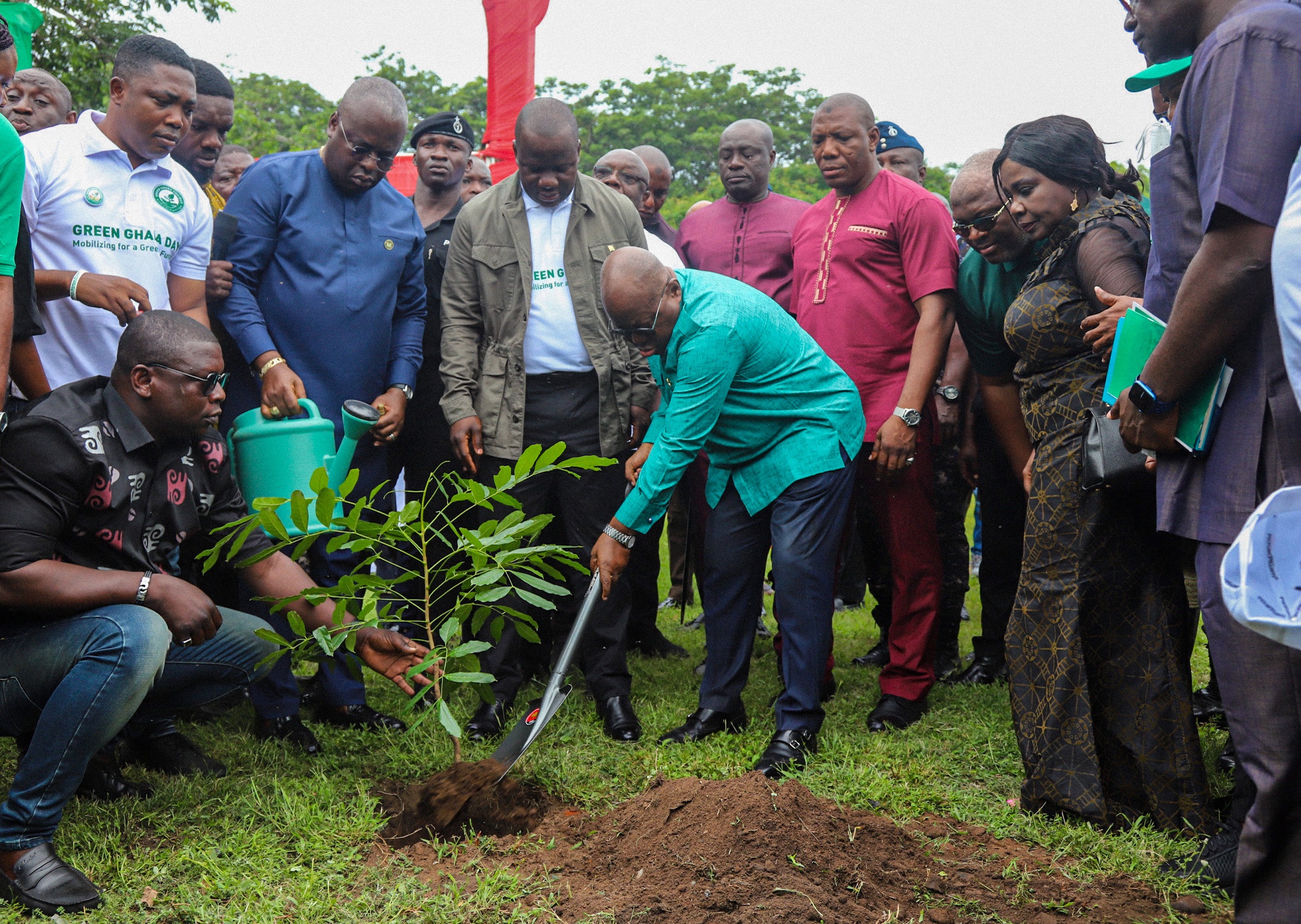
In 2016, Ghana pledged to restore 2 million hectares (ha) of deforested and degraded land by 2030.
It is now a third of the way there, having put 628,000 ha under restoration, according to a report by the IUCN (International Union for Conservation of Nature) based on government data.
These efforts have apparently led to the sequestration of over 30 million tonnes of CO2 – roughly the amount emitted by New Zealand each year.
Though, of course, trees are being cut as well as planted. According to Global Forest Watch, between 2000 and 2020 Ghana in fact experienced a net tree cover loss of 573,000 ha.
“This is the product of years of degradation, deforestation, ineffective afforestation and inaction,” Ghana’s minister of land and natural resources, Samuel Abdulai Jinapor, commented in 2021.
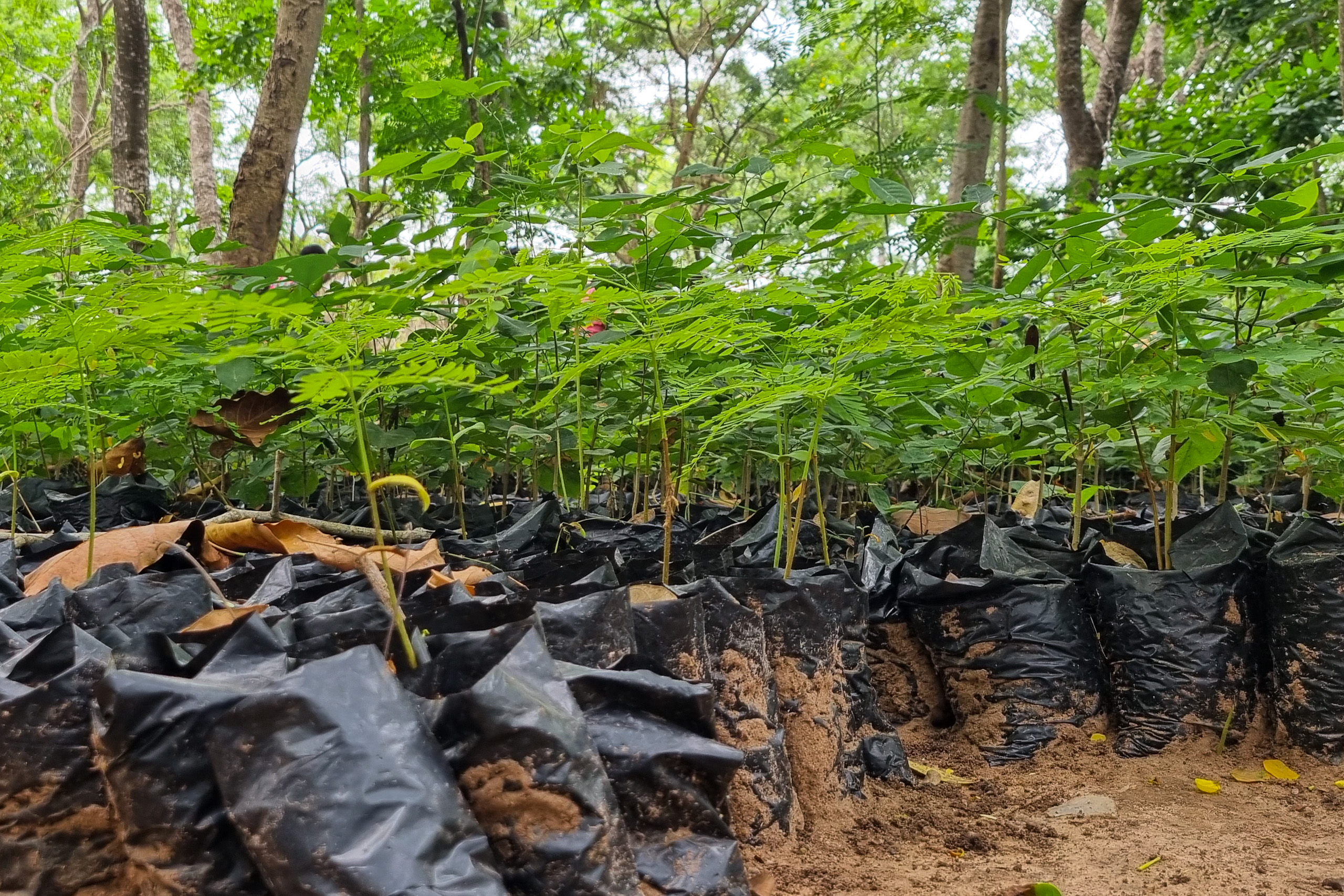
Moreover, conservationists have raised questions over the kinds of trees being planted, suggesting the emphasis on non-native hardwood species like teak will damage local biodiversity.
The Bonn Challenge
In 2011, the German government and the IUCN established the Bonn Challenge, to bring 150 million ha of global land under restoration by 2020. In 2014, the New York Declaration on Forests endorsed and expanded on this aim, raising the commitment to 350 million ha by 2030.
The challenge works with nations, organisations and private entities to restore deforested and degraded lands in alignment with the UN conventions on climate, biodiversity and desertification, as well as the Sustainable Development Goals. Read More…