Guardians of the Great Apes: Uganda’s Commitment to Saving Its Tourism Cash Cow
-
 Loading...
 - Andwele Charles
- 15 Nov 2024
- 36 Views
- 0 Like
- 0 Comment
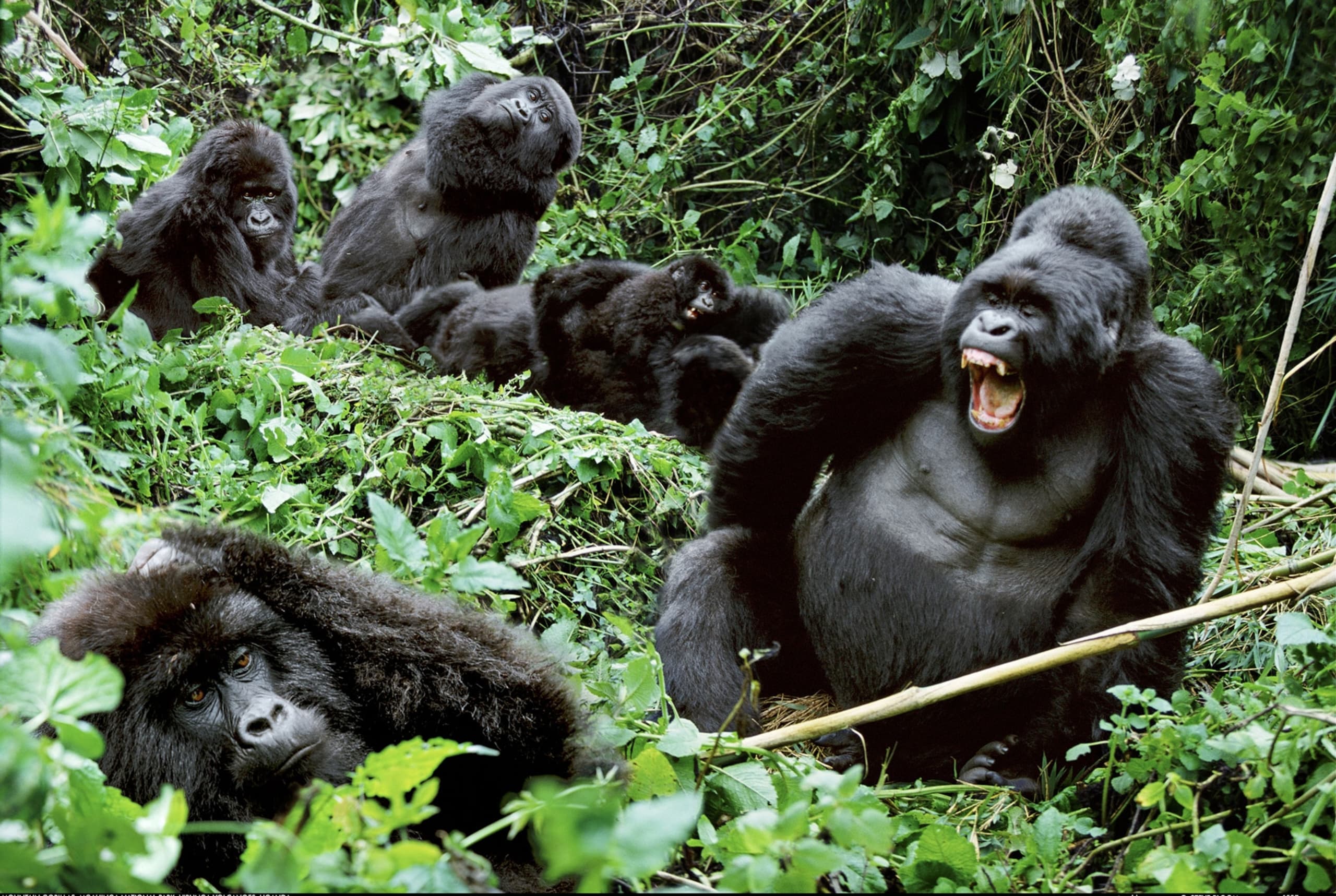
In the mist-covered highlands of Uganda’s Bwindi Impenetrable and Mgahinga National Parks, encountering a mountain gorilla is not just an awe-inspiring moment; it’s a profound experience that connects visitors to one of the world’s most endangered species and a cornerstone of Uganda’s tourism revenue. These magnificent apes—intelligent, socially complex, and critically endangered—embody the delicate balance of conservation and sustainable tourism. Uganda stands as a beacon of hope for the species, home to over half of the world’s remaining mountain gorillas.
A combination of dedicated conservation efforts, community-driven support, and government initiatives has made Uganda’s gorilla population one of the rare conservation success stories. This narrative not only highlights the importance of protecting these great apes but also underscores how tourism revenue sustains local communities. With fewer than 1,100 mountain gorillas remaining worldwide, Uganda plays a crucial role in their survival, with Bwindi Impenetrable National Park alone sheltering over 450 of these great apes. The park is home to 28 gorilla families, making Uganda an essential sanctuary for their continued existence.
Bashir Hangi, Communications and Public Relations Manager at the Uganda Wildlife Authority (UWA), emphasizes the importance of these efforts: “At UWA, our mission is to protect these animals. From anti-poaching patrols to habitat restoration, every effort we make is about ensuring these majestic creatures remain a part of our shared heritage.”
Despite the successes, significant challenges remain in sustaining and expanding gorilla habituation efforts. Hangi points out that inadequate resources hinder the ability to habituate more gorilla groups. “We need to habituate up to 50 groups, but we lack the manpower and funds to pay enough rangers,” he explains. This shortage of rangers limits the ability to monitor gorillas and their habitats effectively.
Conservation is costly, and Uganda’s sustainable model, where a single gorilla trekking permit can cost up to $800, helps channel resources back into conservation efforts. This fee supports vital initiatives, including community projects and environmental protection, while directly benefiting local communities and fostering their role as stakeholders in conservation.
Gorilla trekking is not just an extraordinary adventure; it’s the lifeblood of Uganda’s tourism industry. The revenue generated by gorilla visits constitutes approximately 70% of Uganda’s tourism income, highlighting the critical role these creatures play in the national economy. However, local tourism operators like Geoffrey Baluku emphasize the challenges in ensuring access to gorilla habitats remains smooth and safe for visitors.
“While gorilla trekking is a premier attraction, it’s challenging for visitors due to poor road conditions,” Baluku notes. The Nkuringo-Rushaga road, located at the heart of Uganda’s gorilla tourism area, is in dire need of improvement. “If locals fear to use that road, how about the tourists?” he adds, underscoring the necessity of developing reliable infrastructure to facilitate a steady flow of visitors and greater conservation revenue.
Despite Uganda’s success in sustaining its gorilla population, threats are ever-present. Habitat destruction from agriculture and illegal logging continues to shrink their natural territories, putting both the gorillas and local communities at risk. Additionally, the close genetic relationship between gorillas and humans makes them susceptible to diseases like respiratory infections, highlighting the need for careful visitor management and rigorous health protocols to prevent disease transmission.
Hangi explains that gorilla habitats are located near borders with countries like Rwanda and the Democratic Republic of Congo, where poachers sometimes target the animals, complicating effective management and protection efforts.
With each gorilla trekking permit, Uganda underscores its commitment to sustainable conservation, where funds not only protect these majestic apes but also uplift the people living alongside them. This reinvestment strengthens the ecosystem by supporting conservation education, health services, and infrastructure development in local communities.
As Hangi puts it, “These creatures behave like us. They mimic, they socialize, and they protect their families. We owe it to them to protect their lives and habitats, for their sake and ours.” The success of Uganda’s conservation story depends on a reciprocal model that balances wildlife protection with human well-being.
Measures like limiting tourist interactions (to eight tourists per day) have notably increased the gorilla population. Dr. Gladys Zikusoka, founder of Conservation Through Public Health, advocates for a “One Health” approach, integrating human and animal health initiatives to ensure peaceful coexistence between communities and wildlife. This approach is crucial, given that human encroachment and interaction with gorillas are almost inevitable, and both gorillas and local populations benefit when health initiatives are shared.
Uganda’s work to protect its gorilla population stands as a symbol of resilience and dedication. However, as Hangi and other conservationists emphasize, the battle to protect gorillas from cross-border poaching, climate change, and economic pressures on natural resources requires a global commitment. The ongoing efforts to safeguard these magnificent creatures not only preserve biodiversity but also enhance the livelihoods of local communities that depend on tourism. By fostering a sustainable model of conservation that prioritizes both wildlife and human welfare, Uganda sets a powerful example for other nations facing similar challenges. The future of the mountain gorilla and the communities that coexist with them hinges on continued support, innovative solutions, and a shared responsibility to protect our planet's natural heritage.