Endangered and Threatened Animals in Zambia
-
 Loading...
 - Wokabi Francis
- 18 Nov 2024
- 37 Views
- 0 Like
- 0 Comment
Zambia is renowned for its rich biodiversity, hosting a wide array of flora and fauna, including over 3,500 flowering plant species, 757 bird species, 490 fish species, 156 reptile species, and 74 amphibian species. The country boasts more than 500 protected areas, including national parks and game reserves, which provide critical habitats for wildlife. However, many species in Zambia face significant threats due to habitat loss, poaching, and human-wildlife conflict, leading to their classification as vulnerable, endangered, or critically endangered.
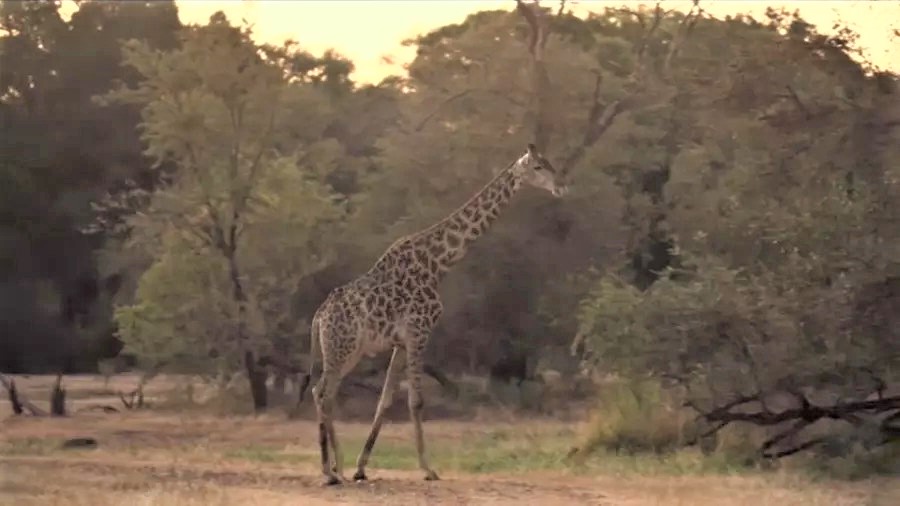
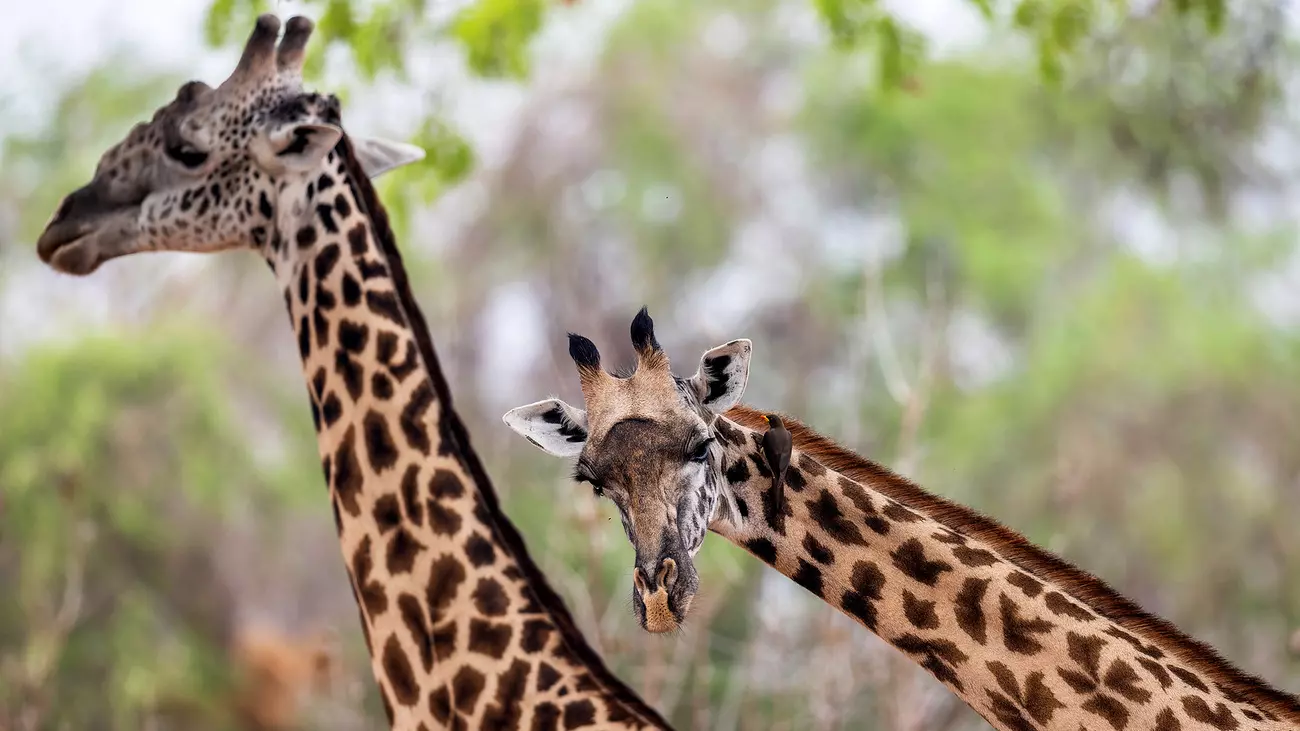
One of the notable species is Thornicroft’s giraffe, which is classified as vulnerable, with approximately 420 individuals remaining. This subspecies is found exclusively in the Luangwa Valley of eastern Zambia. The main threats to their survival include habitat loss due to the growing human population and water diversion for human use.
Another species at risk is the black-cheeked lovebird, a small parrot native to southwest Zambia. With fewer than 10,000 individuals left, this bird is also classified as vulnerable. Habitat loss from agricultural changes and drought are significant threats to its survival.
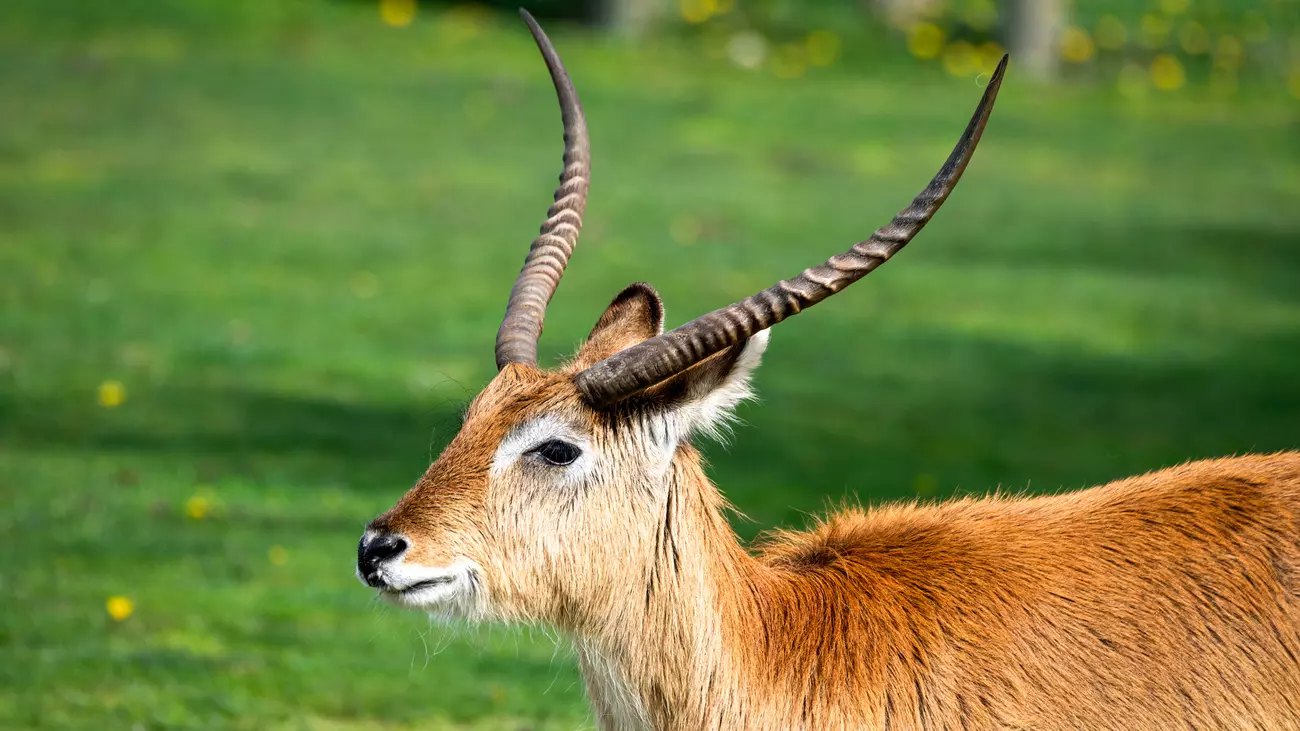
The Kafue lechwe, an antelope found in the Kafue Flats, is classified as endangered, with about 20,000 individuals remaining. Their habitat has been altered by human activity, including dam construction and livestock grazing, which poses a threat to their population.
The southeastern black rhinoceros, a critically endangered subspecies, has a population of approximately 1,225 individuals. Once extinct in Zambia, they were reintroduced to North Luangwa National Park in 2003. Poaching remains the biggest threat to their survival.
The African savannah elephant, the larger of the two African elephant species, is classified as endangered, with a population that has dwindled to about 22,000 from an estimated 160,000. Poaching for tusks and habitat fragmentation due to human activity are significant threats to these majestic animals.
Zambian barbets, small birds with distinctive features, are classified as vulnerable, with an estimated population of about 5,200. Their habitat is threatened by the clearance of fig trees for agriculture and housing.
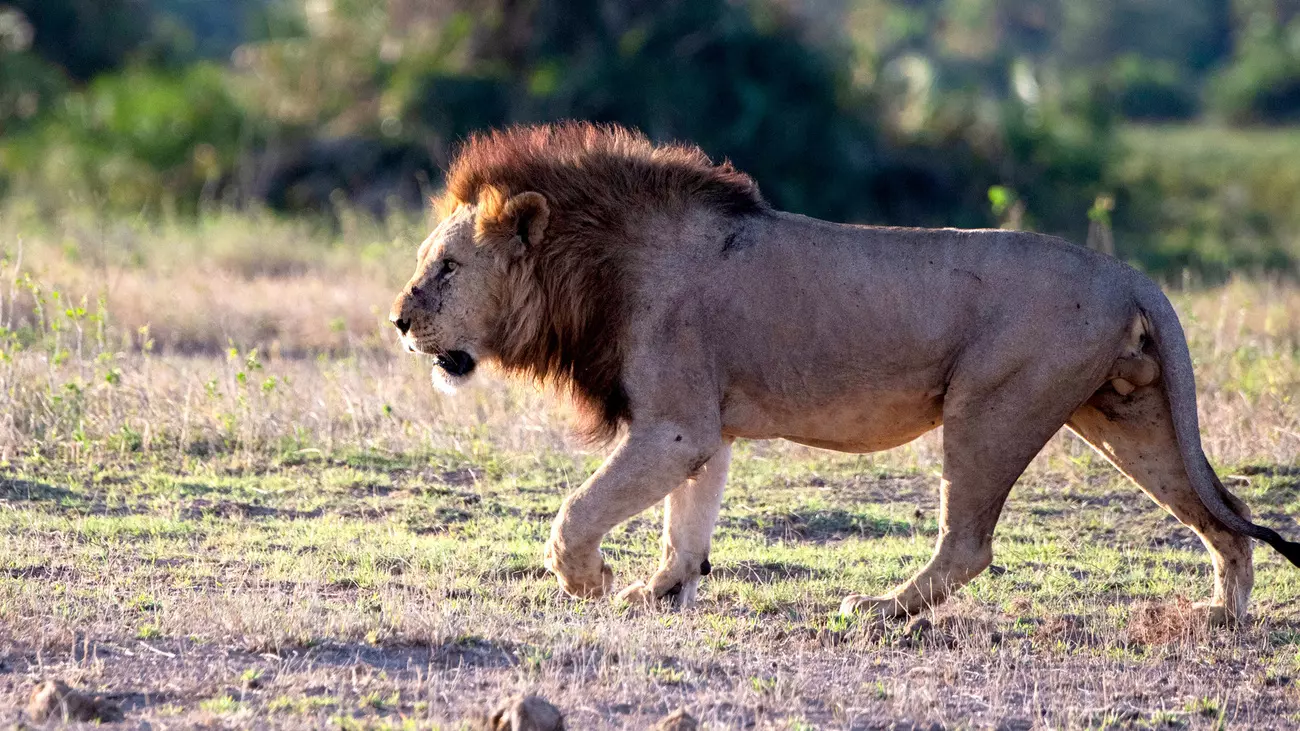
Lions, iconic symbols of African wildlife, are classified as vulnerable, with around 1,200 individuals in Zambia. They face threats from poaching, habitat loss, and retaliatory killings by farmers due to livestock predation.
Wattled cranes, large wading birds, are considered vulnerable, with a population of approximately 6,000 to 6,300. Their wetland habitats are being degraded by agriculture, mining, and other human activities.
Pangolins, known for being among the most trafficked animals in the world, face significant threats from poaching and habitat loss. Two species can be found in Zambia, with varying conservation statuses.
Lappet-faced vultures, important scavengers in their ecosystems, are classified as endangered, with about 6,500 individuals remaining. They are often victims of accidental poisoning and egg collection.
Shoebills, large wading birds with distinctive beaks, are classified as vulnerable, with an estimated population of 3,300 to 5,300. Their habitats are threatened by hunting and environmental changes.
Ansell’s shrew, a small mammal found in limited forested areas, is classified as endangered due to habitat loss from agriculture and fires. Kafue mole-rats, which inhabit moist savannahs, are also considered vulnerable, facing threats from hunting and habitat degradation.
Zambian yellow warblers, small birds found near Lake Mweru, are classified as vulnerable, with fewer than 10,000 individuals remaining. Their wetlands are being drained for agriculture, posing a significant threat to their survival.
Finally, hippos, which are abundant in Zambia, are classified as vulnerable due to human-wildlife conflict and habitat encroachment. With populations of around 25,000 in the Luangwa River, they face challenges from living in close proximity to human settlements.
Conservation efforts are essential to protect these endangered and threatened species in Zambia. Initiatives aimed at habitat preservation, anti-poaching measures, and community engagement are crucial for ensuring the survival of these unique animals and maintaining the country's rich biodiversity.