How Sustainable Tourism Helps Protect Mountain Gorillas in Rwanda and Strengthens Communities
-
 Loading...
 - Wangu Ndege
- 15 Nov 2024
- 32 Views
- 0 Like
- 0 Comment
The relationship between conservation and development often presents challenges, particularly in regions facing rapid urbanization and economic growth. In Africa, where the population is projected to exceed 1 billion by 2050, the pressure on ecosystems is immense. However, Rwanda offers a compelling example of how sustainable tourism can harmonize conservation efforts with community development, particularly in the protection of the endangered mountain gorillas.
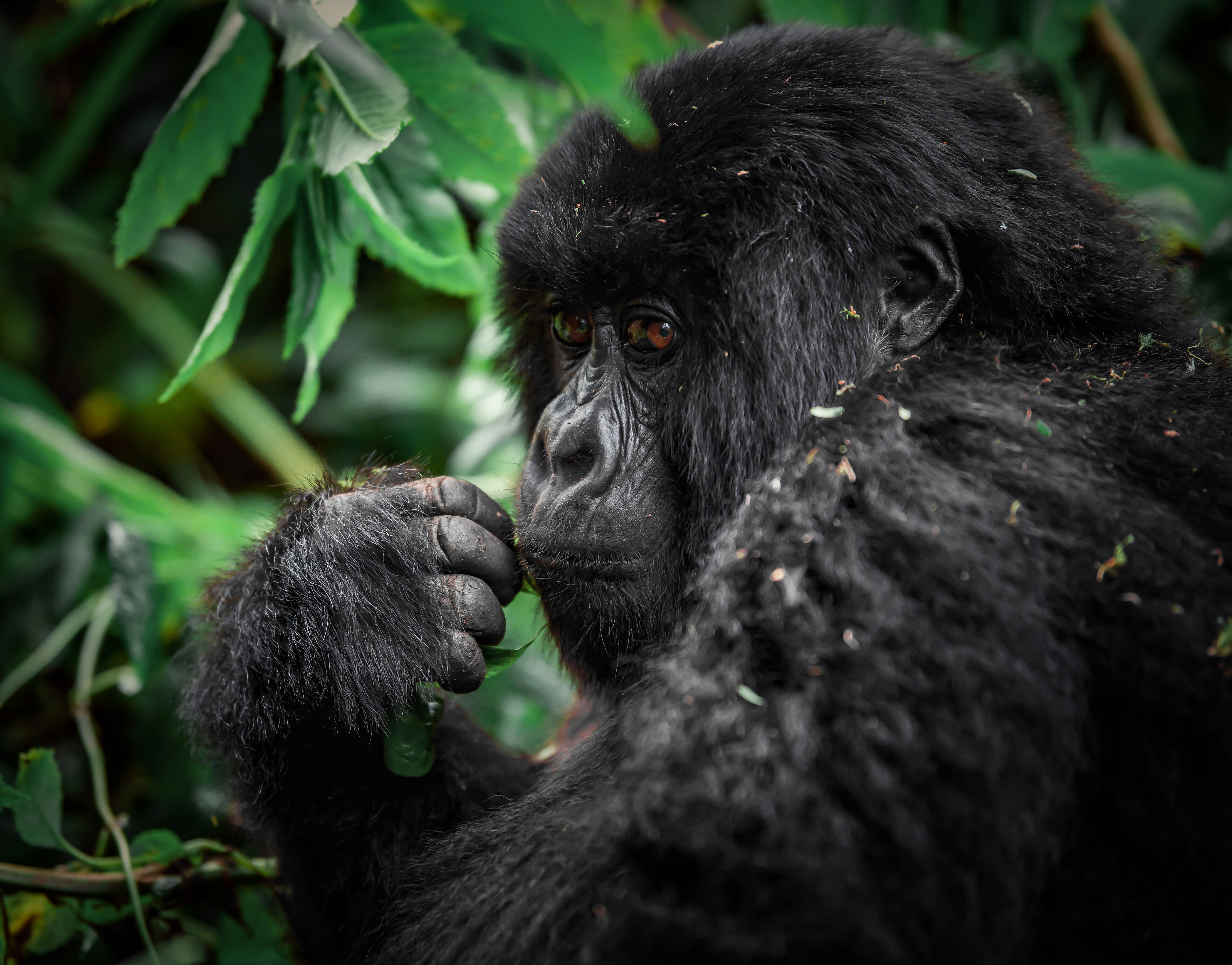
Rwanda has made significant strides in environmental conservation, with government-led initiatives increasing the country’s forest cover from 10.7% in 2010 to 30.4% in 2022. This achievement is particularly notable for a densely populated nation that relies heavily on agriculture. Central to Rwanda's conservation success is the resurgence of the mountain gorilla population, which was once on the brink of extinction. In the 1980s, fewer than 300 mountain gorillas remained in the Virunga mountains; today, thanks to concerted conservation efforts, that number has exceeded 600.
A key event in this conservation journey is Kwita Izina, Rwanda’s annual gorilla-naming ceremony. Launched 20 years ago, this event celebrates the birth of new mountain gorillas and raises awareness about their conservation. The ceremony has played a pivotal role in garnering public interest and support for gorilla protection, significantly contributing to the increase in their population.
The successful recovery of the mountain gorilla population in Rwanda is largely attributed to collaboration between various stakeholders, including the Rwanda Development Board and the Dian Fossey Gorilla Fund. This partnership emphasizes community-centered conservation, where local people are incentivized to act as stewards of their natural environment by sharing in the proceeds generated from sustainable tourism.
The recent establishment of the Ellen DeGeneres Campus of the Dian Fossey Gorilla Fund exemplifies this approach. Opened in 2022, the campus serves as a research center for tourists, scientists, and local community members. It has become a model for active conservation, supporting gorilla tourism, which contributes approximately 1% of Rwanda's GDP. The construction of the campus employed 2,400 local workers and has since hosted over 78,000 visitors, fostering a deeper connection between tourism and conservation.
As the gorilla population grows, new challenges arise, including increased interactions between gorilla families that can lead to conflicts. To address these issues, Rwanda has launched the Volcanoes Community Resilience Project, which aims to expand Volcanoes National Park by 23%. This expansion will create more space for gorillas, reducing territorial conflicts and supporting further population growth.
The project also focuses on the resettlement of 3,400 families from reclaimed land, ensuring they receive better housing, social infrastructure, and diversified livelihood opportunities. These initiatives include eco-tourism, conservation agriculture, and sustainable forestry, which are expected to create around 17,000 new jobs and stimulate economic growth along the park boundary.
The Volcanoes Community Resilience Project is not just about expanding protected areas; it is about building stronger communities around the park. The initiative includes a Conservation Development Plan that spans 13,200 hectares across four neighboring districts, designed to uplift communities through sustainable economic opportunities and improved living conditions.
Additionally, the Tourism Revenue Sharing Programme ensures that 10% of all national park revenues are reinvested in socio-economic projects that benefit local communities. This model fosters a sense of ownership and responsibility among residents, encouraging them to participate actively in conservation efforts.
As Rwanda prepares to celebrate the 20th anniversary of Kwita Izina, the country will name 22 baby gorillas and recognize the contributions of communities and partners to this conservation success. The event will also unveil an ambitious biodiversity and community-building initiative that exemplifies the power of collaboration between people and ecosystems.
Rwanda’s approach to sustainable tourism and conservation serves as a model for other countries facing similar challenges. By integrating community development with environmental protection, Rwanda demonstrates that it is possible to safeguard vital ecosystems while fostering economic growth and improving the quality of life for local communities. This holistic approach not only protects the mountain gorillas but also strengthens the resilience of the communities that coexist with them, ensuring a sustainable future for both.