Unchecked Big Cat Trade Thrives in South Africa, Fuelling Global Wildlife Crime
-
 Loading...
 - Â Anna Ross
- 14 Nov 2024
- 34 Views
- 0 Like
- 0 Comment
A new report by the global animal welfare organization Four Paws reveals that South Africa has become the world’s largest exporter of big cats and their body parts, with a thriving yet poorly regulated industry enabling illegal trade. Over the past two decades, more than 3,500 live big cats and 34,000 body parts have been exported from the country, according to data sourced from the Convention on International Trade in Endangered Species of Wild Fauna and Flora (CITES).
The report highlights alarming trends in illegal trade and trafficking of big cats, including lions, tigers, and leopards, with at least 30 incidents recorded between 2018 and 2024 that allegedly originated from South Africa. Focusing specifically on tigers, the analysis indicates that from 2000 to 2018, parts and products from at least 2,359 tigers were seized in 1,142 incidents across 32 countries and territories.
Despite these figures, the exact number of big cats and their traded body parts exported from South Africa remains largely unknown. This lack of transparency is attributed to insufficient data, inadequate regulation, and authorities’ failures to track how many tigers are held, bred, killed, traded, or transferred within their jurisdiction. Some facilities within the industry have claimed to self-regulate, yet this has proven ineffective in curbing illegal activities.
The report underscores that the ineffective regulation of the big cat industry in South Africa, particularly concerning non-native species, has created a lucrative environment for criminal networks. These groups are able to kill and process big cats within South Africa, trafficking their parts back to Asia with relative ease. Unlike other endangered species, the big cat trade operates with a largely unmonitored supply chain, known only to breeders themselves.
In a recent incident cited in the report, a South African individual and a prominent Vietnamese trafficker were arrested for attempting to sell six lions illegally. The report identifies Asia, particularly China and Vietnam, as hotspots for illegal wildlife trade routes. During research conducted in 2023 and 2024, Four Paws identified 19 other suspected wildlife traders linked to these networks, located in countries including Vietnam, Thailand, the Netherlands, Indonesia, Pakistan, Japan, Malaysia, the United Arab Emirates, Angola, and Ghana.
The report raises serious concerns about the estimated 10,000 big cats currently in captivity in South Africa and the industrial-scale breeding practices involved. It suggests that criminal groups may be accelerating the decline of big cat populations worldwide, further fueling crime and corruption within the country. Kieran Harkin, a Wildlife Trade Expert at Four Paws, stated, “Captive animals are exploited as tourist attractions and killed for profit, while wild populations continue to be targeted by poachers. Both captive and wild big cats pay the price for this profit-oriented industry. All five big cat species—jaguars, leopards, lions, snow leopards, and tigers—will see even more significant declines in their wild populations if this exploitative trend continues. It is high time to act now.”
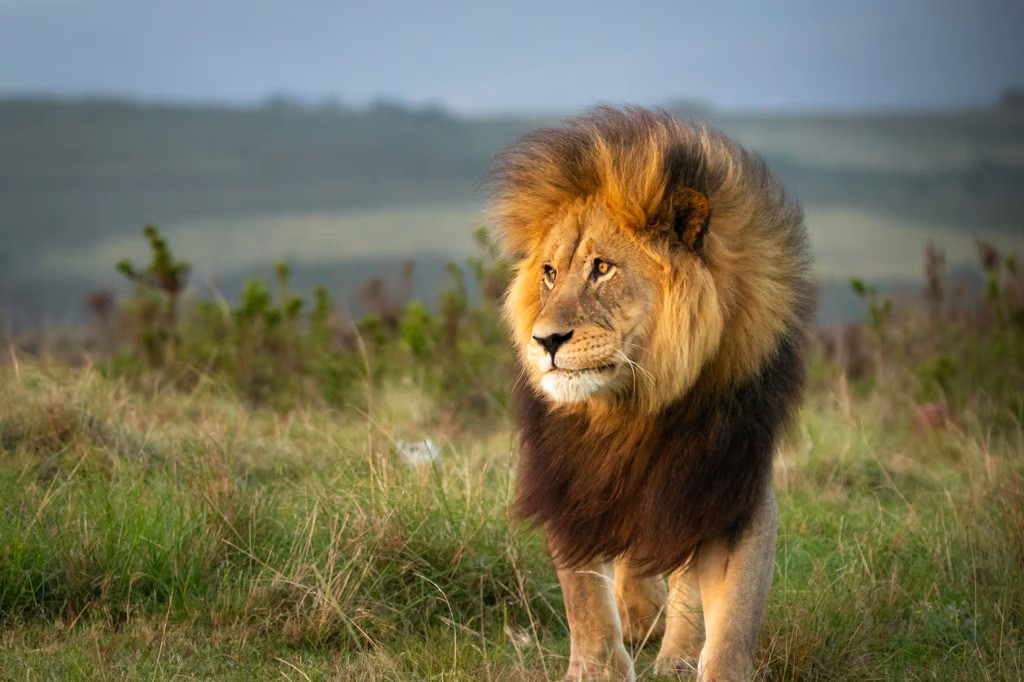
Lions, which have been captive-bred in South Africa for decades, represent a significant portion of the trade. Breeding has been primarily driven by the trophy hunting industry and the demand for bones and derivatives, such as teeth and skin, in Asian markets. The findings also indicate that captive breeding and trade offer no conservation value, with facilities exhibiting inadequate welfare standards, allowing public interaction with animals, and showing evidence of unnatural behavior in tigers. Reports of declawed animals, those with removed teeth, and even cross-breeding between lions and tigers have emerged, highlighting South Africa’s disregard for international agreements designed to protect these species.
Notably, there are no tiger-breeding facilities registered in the CITES database for South Africa, and the country has remained the largest exporter of live tigers since 2004. While several captive lion-breeding facilities are registered with the CITES Secretariat, tigers and other big cats are bred in facilities that lack proper registration.
In light of these findings, the report calls for the complete closure of the big cat industry by 2030, emphasizing the urgent need for action to protect these magnificent creatures from exploitation and ensure their survival in the wild.