UNESCO and BirdLife Zimbabwe Partner to Raise Awareness of Wetlands Conservation
-
 Loading...
 - Zawadi Oloo
- 14 Nov 2024
- 39 Views
- 0 Like
- 0 Comment
Preserving Wetlands for Future Generations
Wetlands are among the most critical ecosystems on the planet, yet they are facing unprecedented threats. Since the 1700s, nearly 90% of the world's wetlands have degraded, with their loss occurring at a rate three times faster than that of forests. Urban wetlands, in particular, are highly vulnerable, underscoring the urgent need for collective efforts to address and reverse the decline of these vital ecosystems.
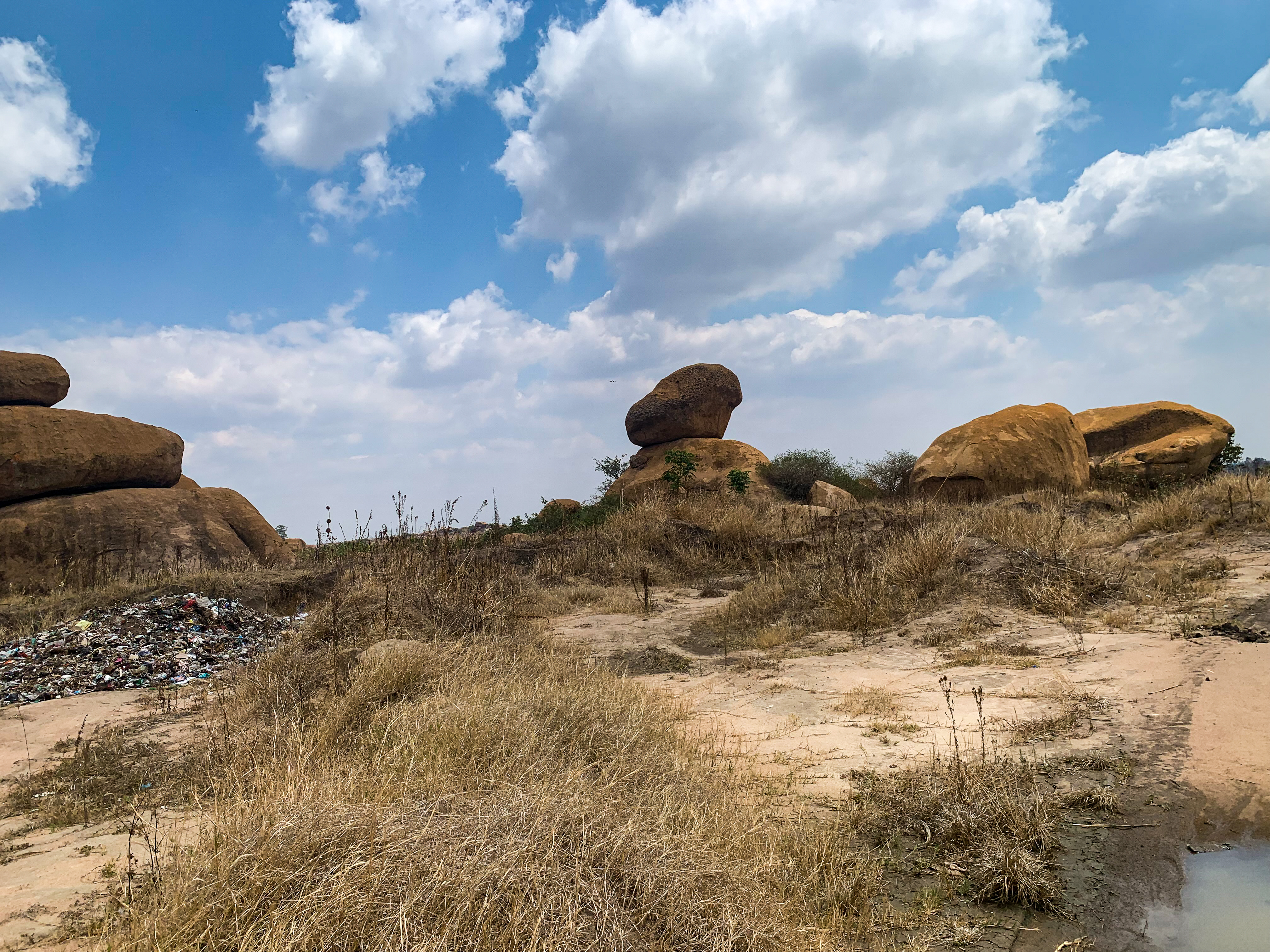
In Harare, Zimbabwe, wetlands—including Ramsar Sites—are under significant threat from various human activities such as drainage, conversion for development, cultivation, and pollution. These actions have led to increased siltation in key water bodies like Harava and Seke Dams, as well as Lakes Chivero and Manyame. The consequences include water shortages, eutrophication from excess nutrients, and a loss of biodiversity essential for both ecosystem health and human well-being.
Collaborative Efforts for Wetlands Protection
To combat these challenges, BirdLife Zimbabwe, in collaboration with UNESCO ROSA and the Harare Wetlands Trust, and with funding from the Netherlands, is hosting a series of workshops aimed at identifying effective strategies for protecting wetlands. The outcomes of these workshops will be presented at the Ramsar Convention in 2025.
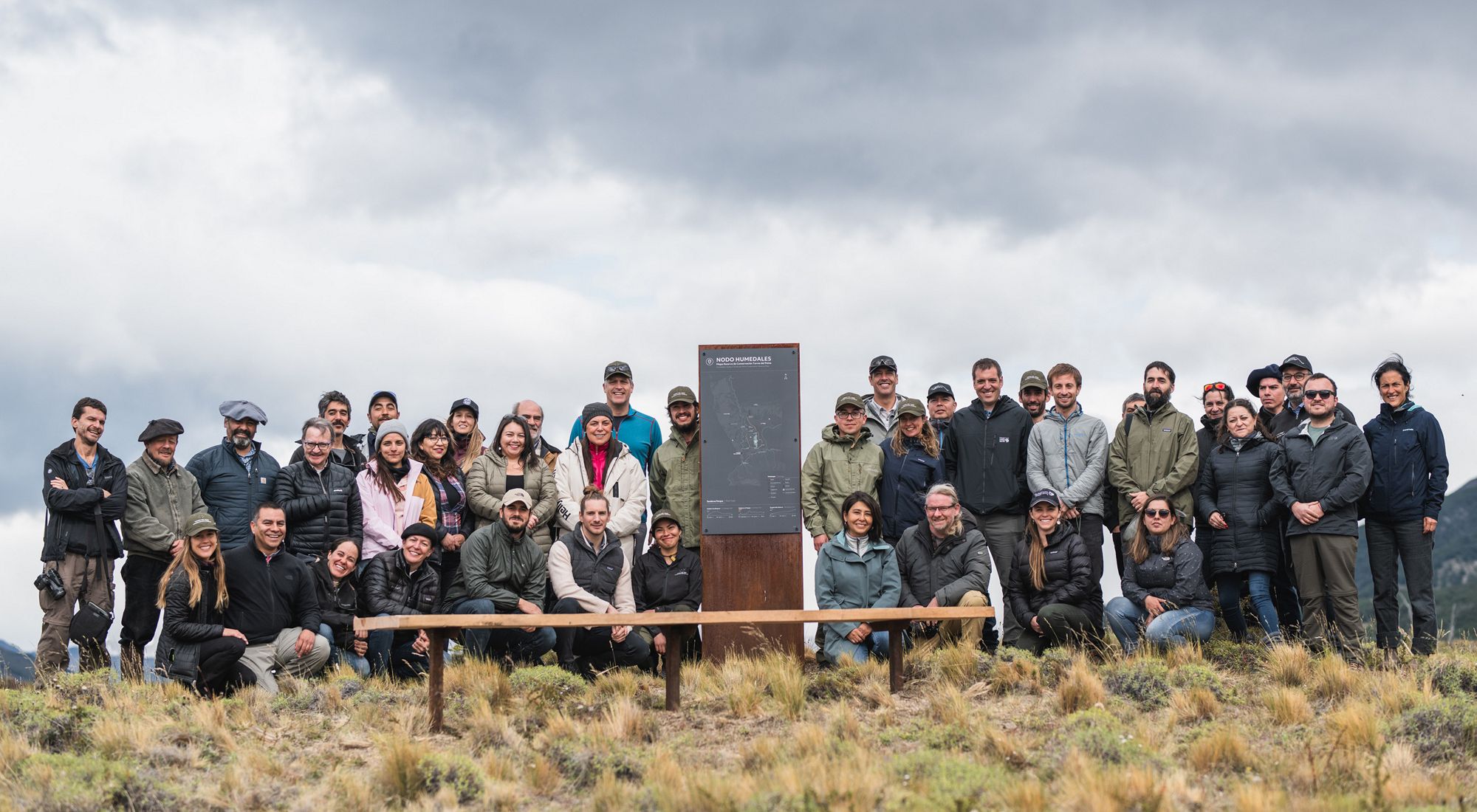
The first workshop, held at Lake Chivero, brought together various stakeholders to discuss the deteriorating status of Harare's wetlands. Participants developed an action plan with recommendations to enhance the protection and restoration of these ecosystems. Key strategies included:
- Establishing a National Committee comprising all relevant stakeholders to address wetlands issues.
- Implementing strong awareness-raising campaigns to highlight the importance of wetlands.
The Urgent Need for Action
As urban growth and development continue, the demand for water is increasing. However, water supplies are steadily diminishing due to the degradation of natural wetland infrastructure, depletion of groundwater resources, and the growing impacts of climate change. Preserving and protecting wetlands is essential, as their destruction undermines nature’s ability to provide sustainable freshwater to the area.
Ms. Dorothy Wakeling, Monavale Vlei program manager, emphasized the direct link between Harare's water crisis and wetlands loss. The capital relies on headwater wetlands for its water supply, and the inability to provide adequate clean water negatively impacts marginalized and poor communities. If current trends continue, Harare's remaining wetlands may be completely destroyed within the next several decades, leading to more frequent water shortages, increased flooding, and deteriorating water quality. The environmental and societal consequences of this loss could be devastating for Zimbabwe's capital.
Empowering Communities Through Knowledge
Guy Broucke, UNESCO ROSA Programme Specialist, encouraged workshop participants to empower themselves with knowledge about wetlands, understand the current threats they face, appreciate their significance, and recognize the importance of their involvement in conservation efforts.
The workshop was attended by representatives from various organizations, including the Ministry of Local Government, the City of Harare, the Environmental Management Agency, the Upper Manyame Sub-Catchment Council, ZimParks Conservation Society of Monavale, the Emerald Climate Hub, the African Youth Initiative on Climate Change Zimbabwe, and the Zimbabwe Youth Biodiversity Network.
Looking Ahead: COP 15 Ramsar Convention
Zimbabwe is set to host the COP 15 Ramsar Convention on Wetlands at Elephant Hills, Victoria Falls, from 23-31 July 2025. This event will provide a platform for further discussions on wetlands conservation and the importance of collective action. As emphasized during the workshop, every small action counts, and together, we can ensure the long-term health and sustainability of our wetlands for future generations.