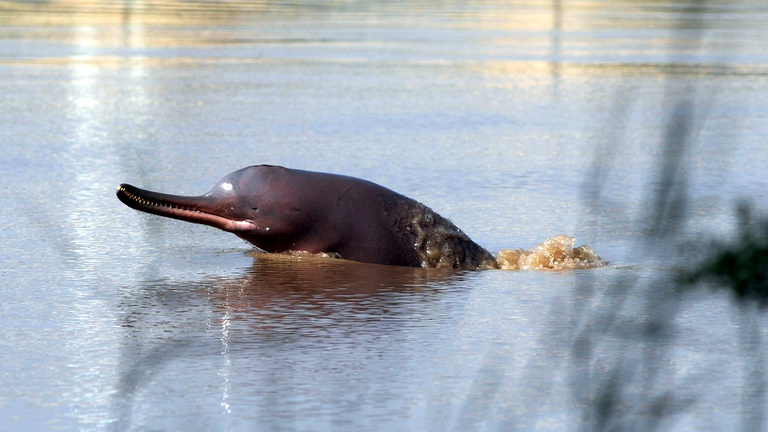
Indus Dolphin: A Model for Biodiversity Conservation Efforts
-
 Loading...
 - Dhvani Inamdar
- 12 Nov 2024
- 36 Views
- 0 Like
- 0 Comment
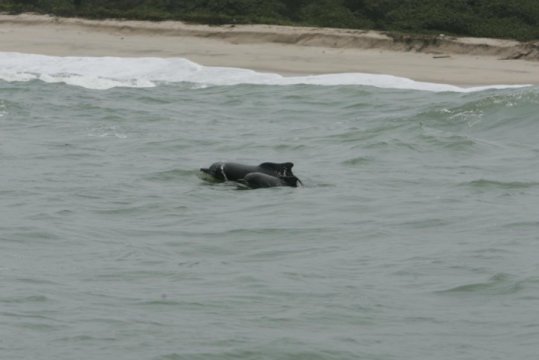
The conservation story of the Indus Dolphin serves as a testament to the power of community-based efforts in reversing the decline of an endangered species. In a world where biodiversity loss is accelerating, this initiative, driven by WWF-Pakistan and the Sindh Wildlife Department, exemplifies how local engagement and empowerment can offer a sustainable path forward.
Known locally as the “Bhulan,” the Indus Dolphin is one of only four remaining freshwater dolphin species globally, with its entire population confined to Pakistan’s Indus River system. The species has faced numerous threats, including pollution, water diversion for irrigation, and fishing practices, which have all taken a toll on its population. However, recent conservation efforts have brought remarkable success. A 2023 survey estimated over 2,000 dolphins, nearly double the population count from 2001, signaling a hopeful upward trend.
The resurgence of the Indus Dolphin is largely attributed to an inclusive conservation model that involves local communities as active stewards of the environment. WWF-Pakistan and the Sindh Wildlife Department trained community members to monitor dolphin habitats, report illegal fishing activities, and intervene when dolphins are endangered. This approach empowers communities to protect their local biodiversity, fostering a sense of ownership and shared responsibility.
Community-led conservation aligns with the Global Biodiversity Framework’s "30 by 30" goal, aiming to protect 30% of the world’s land and marine areas by 2030. Community-managed protected areas are essential to achieving these targets, as local involvement provides both protective oversight and a pathway to economic incentives through eco-friendly activities.
The success of the Indus Dolphin conservation program has inspired similar models in other regions of Pakistan. For instance, in Gilgit-Baltistan and Khyber Pakhtunkhwa, community-led conservation efforts have resulted in population recoveries of species like the ibex and markhor. The introduction of trophy hunting licenses, which provide regulated revenue, has created financial incentives for local communities to conserve these species.
Despite significant progress, the Indus Dolphin remains vulnerable. The species’ low reproductive rate—females typically give birth only once every two years—means population growth is slow. Additionally, water scarcity, driven by extensive irrigation demands on the Indus River, poses a long-term threat to the dolphin’s habitat. Climate change further exacerbates these issues, impacting the river ecosystem and the livelihoods of communities that depend on it.
The conservation of the Indus Dolphin highlights how community-based models can foster sustainable biodiversity conservation, even in challenging conditions. As biodiversity faces mounting threats globally, community-led efforts like those protecting the Indus Dolphin provide a hopeful blueprint for similar conservation efforts worldwide. By engaging local communities, nations can protect their natural heritage while achieving broader environmental and economic benefits, paving the way for a future where biodiversity thrives alongside human development.