Destroying biodiversity hotspots, the Bangladeshi way
-
 Loading...
 - Inaaya Atreya
- 12 Nov 2024
- 43 Views
- 0 Like
- 0 Comment
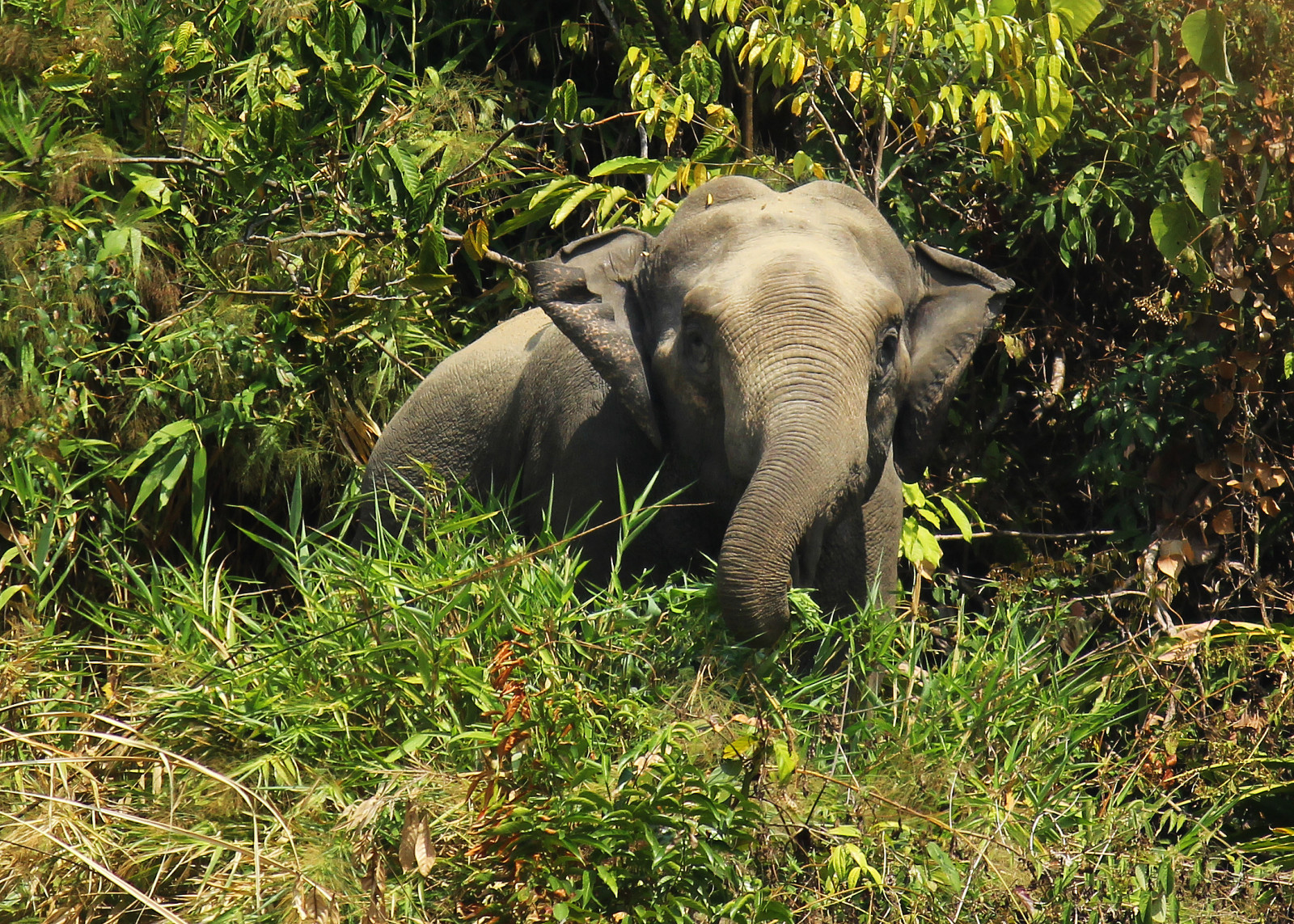
Bangladesh's escalating biodiversity crisis highlights the severe impact of unchecked development on endangered species and critical ecosystems. The recent tragedy involving an elephant struck by a train along the newly built Dohazari-Cox's Bazar Railway track has cast a spotlight on the mounting conflicts between infrastructure projects and wildlife in the country’s biodiversity hotspots, especially in regions like the Chattogram Hill Tracts, part of the Indo-Burma biodiversity hotspot. This corridor is home to numerous rare and endangered species and serves as one of the last strongholds of diverse flora and fauna.
The construction of the Dohazari-Cox's Bazar Railway involved deforestation, with hundreds of thousands of trees felled, and substantial landscape modifications. Approximately 27 kilometers of this track pass through three protected areas, crucial habitats for elephants and other wildlife. Despite conservation studies, the rail project ignored critical findings, such as the presence of 16 established elephant corridors, reducing the planned wildlife crossings to a single overpass and two underpasses.
Bangladesh lacks adequate conservation studies, research funding, and skilled professionals dedicated to biodiversity. Without recent studies, we are left largely unaware of the current state of many endangered species like leopards, pangolins, and clouded leopards that inhabit these areas. Furthermore, biodiversity hotspots like Cox’s Bazar are losing ecological value as forests shrink, habitats fragment, and wildlife is pushed to adapt to—or perish in—altered environments.
The situation at Lawachara National Park offers a grim preview of the consequences of linear infrastructure on wildlife. Research has documented the deaths of multiple primate species due to road accidents and electrocution. This area illustrates how railways and highways can dissect habitats, leading to deadly wildlife interactions with human infrastructure.
Urgent Actions Needed for Sustainable Development
To prevent further biodiversity loss, Bangladesh could adopt several measures:
- Conduct Comprehensive Biodiversity Impact Studies: Future projects should include thorough environmental impact assessments for all species affected, not just high-profile animals like elephants.
- Implement Wildlife-Friendly Infrastructure: Wildlife corridors, overpasses, and underpasses should be designed and located based on detailed studies of animal movement patterns, including lesser-known species.
- Strengthen Conservation Policies and Research: Increasing investment in conservation research and training practitioners will provide the foundation needed to protect biodiversity effectively.
- Engage with International Conservation Bodies: Collaboration with global organizations like the IUCN and WWF can offer technical expertise, resources, and support for sustainable development practices.
The Way Forward
The death of this elephant should serve as a wake-up call. Bangladesh must rethink its approach to development in ecologically sensitive areas to ensure that it preserves its rich biodiversity while meeting economic goals. By prioritizing both conservation and responsible infrastructure planning, Bangladesh has the opportunity to protect its unique ecosystems and become a model for sustainable development in the region.