Every Drop Counts in the Netherlands' Water Conservation Efforts
-
 Loading...
 - Edrice Sabry
- 26 Jul 2024
- 47 Views
- 0 Like
- 0 Comment
How water can be the Engine for Climate Adaptation
Climate mitigation focuses on CO2 reduction, while climate adaptation emphasizes H2O management. As the water envoy of the Kingdom of the Netherlands, my goal is to highlight how water can become the driving force behind climate adaptation.
Climate change is often felt most acutely through water. The global water cycle is now out of balance, affecting those in vulnerable conditions and marginalized communities the hardest. The variability in rainfall, which is the primary source of all freshwater, is increasing. This unpredictability leads to severe droughts that threaten food security and trap farmers in poverty, as 80% of cultivated land relies on rainwater. Droughts also jeopardize the human right to clean water and sanitation. Conversely, floods cause widespread devastation, while melting glaciers, rising sea levels, and saltwater intrusion endanger freshwater supplies.
To tackle these challenges, we must make water the cornerstone of climate adaptation efforts. Engineering and technology are critical in this endeavor. The Netherlands boasts extensive experience in coastal protection, delta technology, irrigation and drainage, climate-resilient infrastructure, and advanced water technologies.
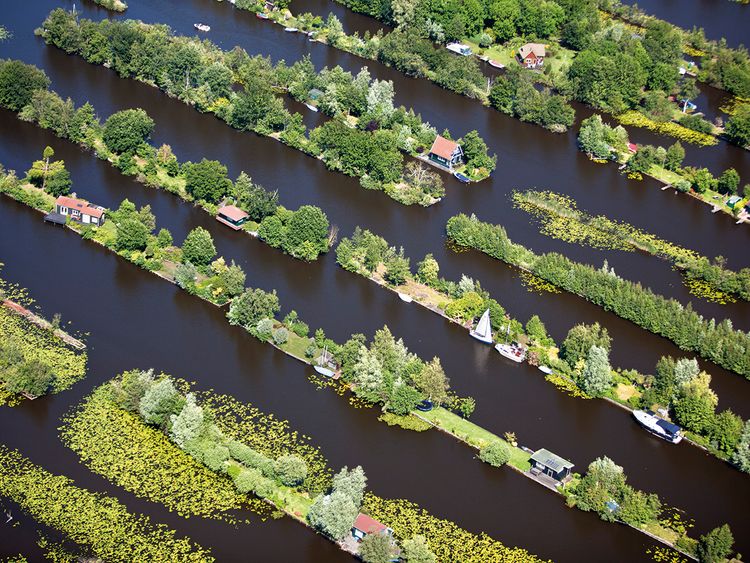
Historically, the Netherlands has spent over a thousand years battling water by draining it to the sea through canalized rivers and building dykes to protect against floods. However, with the advent of more intense rains, prolonged dry periods, and rising sea levels, it became evident that fighting nature is unsustainable. We are now embracing nature-based solutions, giving our rivers room and restoring floodplains.
Many countries are following suit, protecting natural freshwater stocks to save water for dry periods and mitigate flood impacts. Collaborative learning is essential as we work with nature to halt groundwater depletion and wetland degradation. With over 70% of water used in agriculture, food production directly influences water systems. Innovative agricultural techniques help maintain soil moisture and increase food production efficiency.
A global trend is emerging where countries prioritize water availability in their spatial planning and economic development strategies. The Dutch parliament recently adopted a policy incorporating water and soil guiding principles in all spatial planning decisions.
Knowledge and data on water and subsurface systems, coupled with an understanding of future socio-ecological changes, are vital for complex planning processes. The Netherlands offers world-class expertise in smart digital solutions for monitoring, detecting, and managing water systems and infrastructure.
The world is coming together to accelerate climate solutions, with events like those in Dubai serving as platforms for collaboration. This article aims to inspire with an in-depth look at Dutch climate solutions ranging from renewable energy and environmental conservation to water management and food security. The Netherlands is committed to continued partnerships, especially with the UAE, to share knowledge, learn from each other, and work together on innovative solutions for a net-zero and water-secure world.
The Netherlands is pioneering water conservation and climate adaptation efforts, setting a global example. By embracing nature-based solutions, integrating water into spatial planning, and fostering international collaboration, we can create a sustainable future where every drop counts.