Apayao Declared Philippines' 4th Biosphere Reserve by UNESCO
-
 Loading...
 - Mei Takehiko
- 29 Jul 2024
- 51 Views
- 0 Like
- 0 Comment
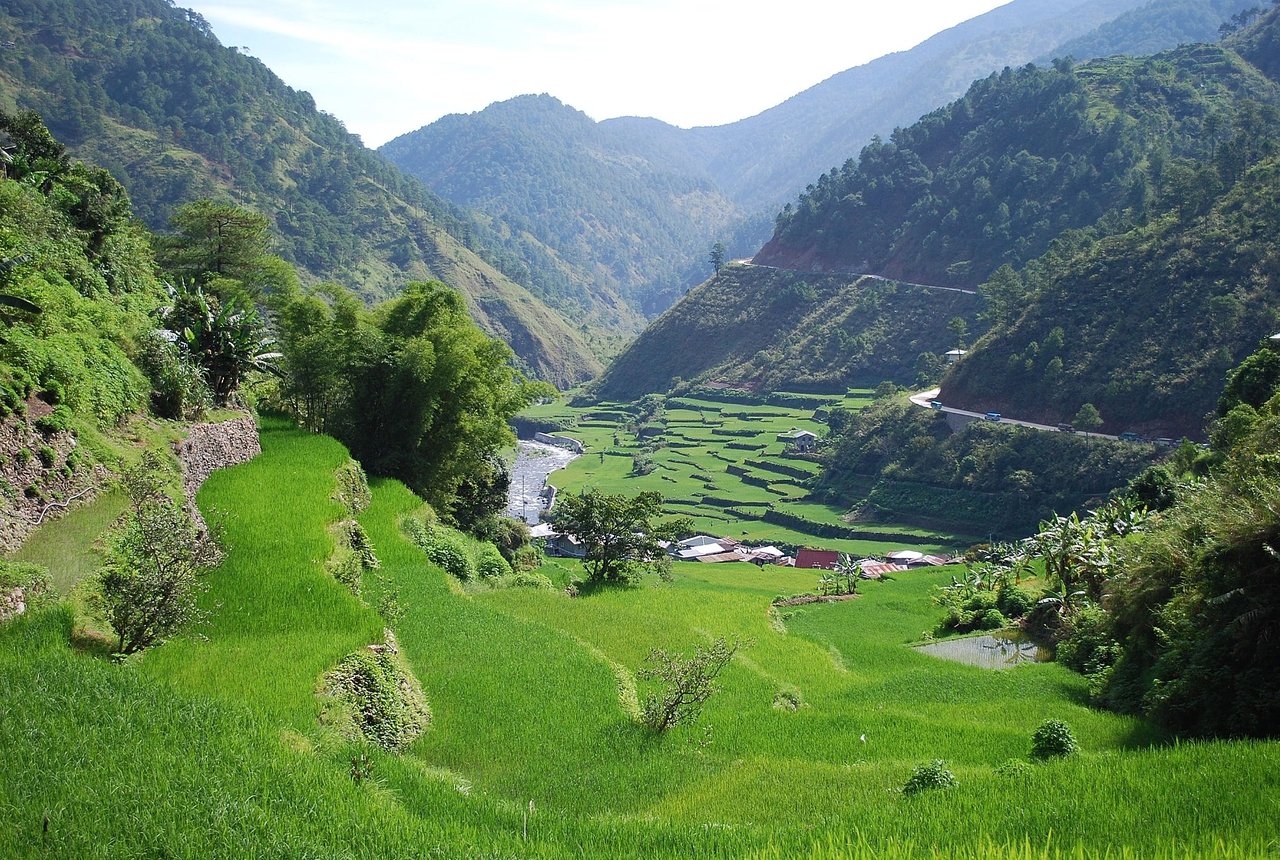
The United Nations has officially recognized Apayao province, located in the mountainous Cordillera region of northern Luzon, as the Philippines' fourth biosphere reserve. This designation highlights Apayao's commitment to conserving and managing its rich biodiversity.
Central to this recognition is the lapat system, an indigenous practice of forest conservation by the Isnag people. This traditional method involves designating a portion of forest land and its natural resources as off-limits following the death of its Isnag owner, ensuring the preservation of the area.
With this designation, Apayao joins the ranks of other Philippine biosphere reserves: Albay, Palawan, and Puerto Galera. Globally, there are now 759 biosphere reserve sites spread across 136 countries.
“The designation as a UNESCO Biosphere Reserve means that areas in Apayao are now protected for biodiversity conservation,” stated the provincial government of Apayao.
Role of Biosphere Reserves
According to the United Nations Educational, Scientific and Cultural Organization (UNESCO), biosphere reserves serve as "learning places for sustainable development." These areas play a crucial role in addressing the intertwined crises of global biodiversity loss and climate change.
Audrey Azoulay, UNESCO's director-general, emphasized the significance of biosphere reserves during this critical time for humanity. "The new designations come at a pivotal moment for humanity, as it grapples with a global biodiversity crisis intertwined with climate disruption," Azoulay stated on July 5. She added that biosphere reserves could enhance the living conditions of indigenous peoples and promote scientific research.
The recognition of Apayao as a biosphere reserve underscores the importance of indigenous practices in sustainable conservation efforts and highlights the region's role in global biodiversity preservation.